
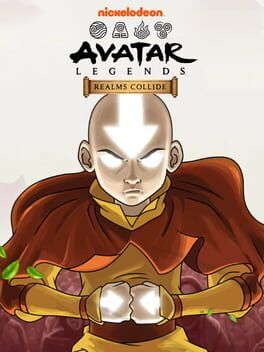

How the base-building and hero-collection loop works in Avatar Legends: Realms Collide, what to expect from redeem codes, and whether it’s worth your time as an Avatar: The Last Airbender or Legend of Korra fan.
If you have been waiting for a big licensed strategy game in the Avatar universe, Avatar Legends: Realms Collide is exactly that: a 4X-lite city builder and hero collector that pulls in characters, locations and lore from Avatar: The Last Airbender, The Legend of Korra and the wider Avatar Legends tabletop setting. This guide breaks down how the base-building and hero collection loops actually work, how codes can smooth the early game, and whether this is worth your time as an Avatar fan.
Do Avatar Legends: Realms Collide codes exist right now?
At the time of writing, there are no active redeem codes for Avatar Legends: Realms Collide and no expired ones either. The code system is already in the game, though, so it is only a matter of time before Tilting Point starts handing them out through events and social channels.
When codes do appear, you will redeem them in-game like this:
- Tap your profile portrait in the top-left corner.
- Open Settings.
- Tap the Redeem button.
- Enter the code exactly as shown and confirm.
You can expect typical mobile bonuses here: premium currency, scrolls for the Altar of Heroes, speed-up items for building and training, and resource bundles. None of that will replace playing the game, but it will make the slowest parts of the opening hours much more forgiving.
If you want to be ready the moment codes drop, your best bets are the official Discord, the game’s social accounts, and a dedicated codes page on mobile sites that track them and list expired ones.
How the base-building loop works
Realms Collide is a 4X-style mobile strategy game, closer to Rise of Kingdoms than to a traditional gacha RPG. You start by choosing a capital city themed after one of the four elements. That choice mainly affects visuals and early bonuses rather than locking you out of heroes from other nations.
Your city is the heart of everything. You place and upgrade resource buildings that produce food, stone and other materials, then use those to fund construction, research and army training. Timers govern almost every action, so planning your build order is half the game.
Early on, you will want to focus on three tracks. The first is your Town Hall, or its equivalent, since it gates the maximum level of everything else. The second is your production buildings, because you will burn through food and stone quickly once you start training armies and upgrading heroes. The third is the core military structures that unlock more troop types and higher training capacity.
Outside the walls, the world map gives you neutral spirit threats, barbarian armies tied into the story and resource nodes you can harvest. Sending out your hero-led squads to gather or fight costs time and sometimes stamina, but it is how you stockpile resources beyond what your city alone can generate. It also pushes the Avatar narrative forward, which helps the game feel more like part of the Four Nations and less like a generic war map.
All of this ties into alliances. Joining an alliance early is almost mandatory, because it unlocks extra passive income, access to alliance territories and fortresses, and crucially shared timers. Allies can help speed up your construction, and you can rally together against tougher spirit threats.
How the hero collection loop works
Alongside your city, you are constantly building out a roster of heroes, many of whom will be instantly familiar if you have watched Avatar or Korra. Aang, Katara, Toph, Zuko, Korra, Asami and multiple incarnations of the Avatar are all part of the pool, and there are deep cuts from comics and the wider Avatar Legends books.
You recruit these heroes through the Altar of Heroes, which is effectively a standard gacha system. Summons use scrolls or premium currency. A slow drip of free scrolls, daily missions and events keeps your pulls coming even if you are not spending, though the highest rarity characters and certain legendary Avatars sit at the top of a steep progression curve.
Once you pull a hero, progression works across several axes. Levels are raised with experience items and campaign grinding, while rank upgrades require spirit shards and duplicate copies. Ranking up not only raises stats but also unlocks higher level caps and new abilities, so your favourite benders really start to differentiate over time.
There is also gear to equip, with slots you fill using drops and crafted items from various activities. Higher quality sets can significantly tilt combat in your favour, and part of the long-term chase is assembling an optimal loadout for each main hero.
The combat itself is not a deep tactics game in the Fire Emblem sense, but positioning and composition matter. Heroes have roles and elemental affinities, so pairing water healers with frontline earth tanks and air or fire damage dealers produces a satisfying synergy that maps nicely to the way bending worked in the shows. Legendary Avatars bring powerful ultimate abilities that can swing a battle when timed well.
How codes will help with early progression
Even though there are no codes active yet, understanding what they are likely to deliver makes it easier to plan the start of your account.
In most 4X hero collectors, launch and event codes tend to hand out a small stash of premium currency, summon scrolls and a pile of speed-ups. In Realms Collide, that means you will be able to accelerate Town Hall and production building upgrades during the slow first couple of days, finish troop training instantly for key story fights and get into the Altar of Heroes gacha more quickly.
The immediate upside is that you spend less of your early time staring at timers and more time actually experimenting with hero teams and exploring the map. A few extra pulls can also help you lock in one or two strong early carries, rather than limping along with a purely starter roster.
It is still smart to treat codes as a bonus rather than a crutch. Spending every bit of premium currency on random summons the moment you get a code can leave you short on things like extra build queues or VIP style upgrades that permanently reduce timers. The best approach is to keep a small stockpile ready, then use codes to push you over the line for specific upgrades or banner rotations you care about.
Starter tips for new players
When you first drop into the Four Nations, try to think in terms of momentum. Your first objective is to get your city to a point where basic production and construction can more or less run themselves between sessions.
Make sure you keep something building, something researching and something training whenever you log off. Use the shortest upgrades while you are actively playing so you can chain several in a row, then queue the longest ones right before a break or overnight.
Join an alliance as soon as the tutorial lets you. Beyond the social angle, the alliance system is where a lot of time savings live. Construction help from other players shaves minutes off every project, and shared rallies against strong enemies often pay out better loot than solo grinding.
On the hero side, pick a small core team and lean into them instead of spreading your resources across every character you unlock. In the early game, a sustained frontline, one or two reliable damage dealers and at least one healer will carry you through story and basic PvP. Since this is an Avatar game, it is tempting to swap constantly to use your favourite characters, but focusing upgrades reduces the wall you will eventually hit when campaign difficulty spikes.
Pay attention to synergy tags and elemental pairings in the hero menu. Teams built around a thematic core, like a Republic City squad or a full Southern Water Tribe lineup, can unlock passive bonuses that line up nicely with the shows’ depiction of those groups.
Is this a good pick for Avatar: The Last Airbender fans?
For pure Avatar fans, Realms Collide is almost unashamedly fan service. The campaign weaves an original story across multiple eras, pulling in faces and locations from all over the franchise. You explore Ba Sing Se, Republic City and more, confronting dark spirits and new threats that tie back into established canon. The game even features the first visual debut of Father Glowworm, a long-mentioned spirit from Avatar lore that had never appeared on screen before.
Heroes do not just show up as anonymous units. They come with short story vignettes, signature moves and interactions that feel authentic, even if the base-building wrapper is firmly in the familiar mobile 4X mold. Seeing Aang fighting alongside Korra or pairing Katara with Asami on the same squad scratches that crossover itch that the shows never fully indulged.
The trade-off is that under the Avatar skin, this is still a fairly standard free-to-play strategy title. Timers, resource gates and gacha pulls are all here. If you strongly dislike that structure, the Avatar trappings may not be enough to win you over, though the art, music and writing help soften the grind.
And for The Legend of Korra fans?
Korra representation is not an afterthought. Republic City, pro-bending era characters and later timeline heroes have clear focus here. Korra, Asami, Mako, Bolin and other fan favourites appear in the roster, and the game’s alliance and city themes echo the political and technological tone of Korra’s world.
If you connected more with Korra than with Aang, you will still find a lot to like. The story bounces between timelines rather than treating Korra-era content as a side dish, and many of the most flashy skills and combos are attached to characters from her series. The broader Avatar Legends license also means characters introduced in tabletop material, including Korra-adjacent heroes, can appear as playable units.
Is Avatar Legends: Realms Collide worth playing?
Whether this is worth your time depends on what you want from an Avatar game. If you are mainly chasing character interactions, lore deep cuts and the chance to assemble a dream team from across both shows, Realms Collide delivers. It respects the source material more than many licensed mobile titles, and the scale of the world map and alliance warfare sells the feeling of commanding armies of benders.
If you are hoping for a premium, self-contained single player RPG, you will likely bounce off the 4X city builder structure, the reliance on timers and the gacha-driven hero progression.
For fans comfortable with mobile live service design, the combination of base building, hero collection and Avatar storytelling is compelling enough to explore. Keep an eye out for launch and event codes to ease the early grind, focus on a small core of heroes you like and join an active alliance early, and you will give yourself the best shot at enjoying what Realms Collide is trying to do with the Avatar license.