
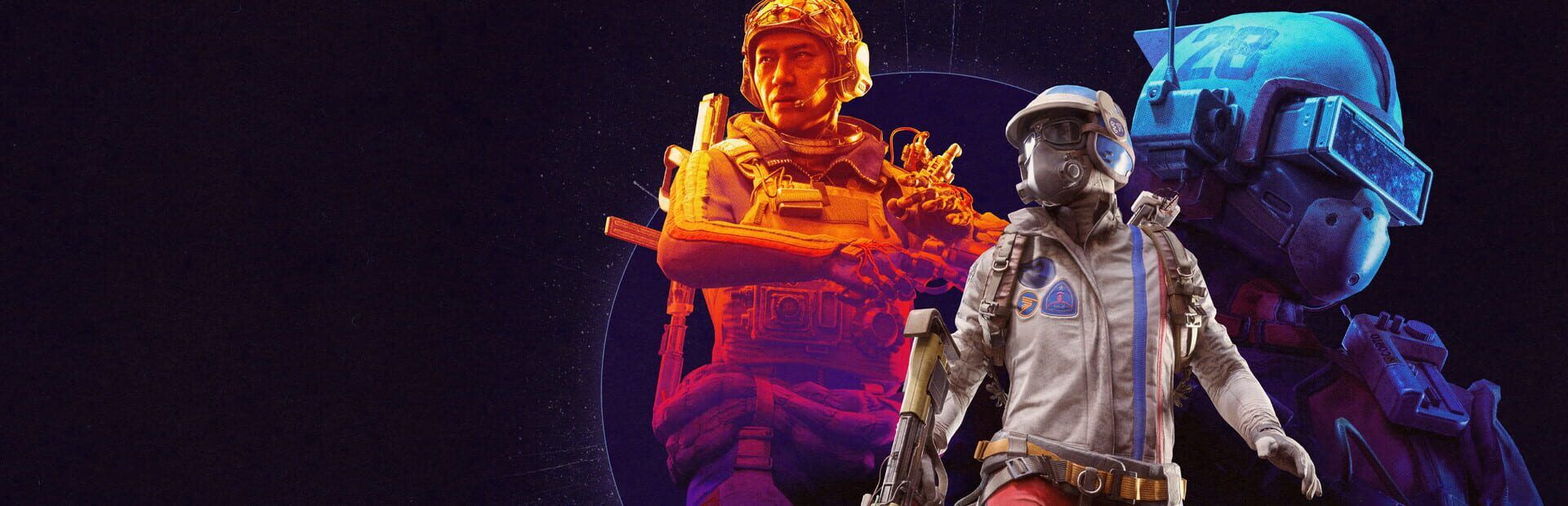

Embark Studios is walking away from the monthly live‑service treadmill for ARC Raiders and betting on two large updates a year instead. Here is how live‑service fatigue, balancing blowback, and Helldivers 2 style expectations are reshaping update cadences for extraction shooters.
Embark Studios has decided that ARC Raiders does not need another hotfix. It needs room to breathe.
After months of sprinting on a monthly patch treadmill, the studio is abandoning its original cadence and committing to two major updates a year, starting with October’s Frozen Trail. Balance tweaks, bug fixes, and anti‑cheat work will still happen in between, but the days of big, named drops every four weeks are over.
It is a sharp course correction that says as much about live‑service fatigue and extraction‑shooter pressure as it does about ARC Raiders itself.
Why Embark Walked Away from Monthly Patches
In their recent development update, executive producer Aleksander Grøndal described the old schedule as a pressure cooker. The studio was promising meaningful new content every month while also trying to overhaul progression, refine enemy behaviors, and respond to balance outrage after each patch.
That pace was not just exhausting internally. It was constraining the design. When you are locked into four‑week cycles, you end up slicing ideas into thin, incremental pieces. A map rework becomes a handful of new POIs. A progression rethink turns into a band‑aid XP tweak. Players log in, browse patch notes, and come away with the sinking feeling that nothing really changed.
Embark’s new plan trades speed for impact. The team now wants each bi‑annual update to feel like a mini expansion that moves every pillar forward at once. That means tying together map changes, narrative beats, new enemy types, progression reworks, and gear additions into one big package instead of dribbling them out as separate patches.
The first test of that philosophy is Frozen Trail in October. Embark is promising the game’s biggest map yet in a frozen Rust Belt region, new ARC enemy variants, deeper endgame progression, more story around the origins of ARC, and a reworked skill tree plus fresh weapons and cosmetics. The specifics matter less than the intent. ARC Raiders is shifting from a checklist of monthly patch notes to chunky, twice‑a‑year statements of direction.
Live‑Service Fatigue Finally Catches Up
Embark’s language hits on a sentiment that has been simmering in live‑service circles for years. The idea that constant content is an unquestioned good has been eroding.
Players are tired of logging in to find their builds shaken up every few weeks. Developers are tired of spending most of their time reacting instead of building. The monthly model that once seemed like a path to endless engagement is starting to feel like a trap that burns out everyone involved.
Extraction shooters amplify that fatigue. These games live or die on trust in progression and loot. When every update pulls a perk, nerfs a weapon, or adjusts extraction rewards, players feel as if their time investment is on a shaky foundation. Too many micro changes and the entire meta starts to feel ephemeral.
By stepping away from a rigid monthly rhythm, Embark is acknowledging that more is not always better. Fewer, larger updates give room for QA, long‑term design thinking, and clearer communication around what is changing and why.
The Helldivers 2 Shadow: Balancing as a Live Spectator Sport
ARC Raiders did not make this decision in a vacuum. The community has been quick to compare the game’s recent turbulence to Helldivers 2, which has spent over a year living under the microscope of a fervent player base.
Helldivers 2’s monthly cadence has turned balance into a spectator sport. Every major patch spawns a fresh round of discourse about nerfs, enemy buffs, and the never‑ending tug of war between power fantasy and difficulty. The game has survived and often thrived on that volatility, but it has also provided a blueprint for how fast patches can alienate players when they feel the fun is being tuned away in real time.
ARC Raiders ran into a similar storm with updates like Riven Tides. Players pushed back against aggressive changes to weapon durability and key survivability tools such as cloaks, accusing Embark of sanding down the game’s high points in the name of balance. Steam reviews dipped, Reddit threads popped off, and the studio suddenly found itself in the same conversation space as Arrowhead’s shooter.
The comparison cuts both ways. On one hand, being mentioned alongside Helldivers 2 signals that ARC Raiders is playing in the same league of high engagement shooters. On the other, it is a warning about how quickly goodwill can evaporate when every patch feels like a swing of the nerf hammer.
Embark’s answer is not to stop balancing, but to change how often the ground shifts. Instead of constant small nudges that nudge players from one meta to the next, the studio wants to fold big balance and progression changes into rarer tentpole updates that are easier to prepare for and easier to evaluate.
What Bi‑Annual Updates Mean for an Extraction Shooter
For a traditional competitive shooter, stretching the cadence might just mean slower new maps and guns. For an extraction shooter like ARC Raiders, the implications cut deeper.
Extraction games rely on long tail goals. Getting better gear, pushing into more dangerous zones, unlocking new routes and tools, gradually mastering a hostile world. When content comes too fast and too small, it can feel like the floor is shifting underneath those goals before players even get there.
With two major updates a year, Embark can afford to build more holistic progression arcs. A new map does not just show up as a side activity, it can become the centerpiece of a season‑long journey with its own loot chase, narrative threads, and mechanical twists. Progression systems can be rethought from the ground up without worrying that half the changes will have to ship half finished just to keep the monthly promise.
It also changes how players plan their time. Instead of dipping in every few weeks to see what the latest patch broke or buffed, ARC Raiders can aim for Destiny style rhythms where the community rallies around the lead up to a big drop, then spends months exploring everything inside it.
There is a risk that six months between major beats could feel too long for players used to constant novelty, especially in a genre where rivals like Marathon and other extraction projects will be competing for attention. Embark is trying to mitigate that by promising ongoing support between tentpoles. Bug fixes, tuning passes, and anti‑cheat work will still be frequent. What changes is not maintenance, but ambition.
Player Expectations After a Decade of Live‑Service
The pivot comes at a time when players’ expectations for how games are updated are fragmenting. Some communities have embraced the seasonal model with predictable three‑month arcs and huge battle pass grinds. Others, particularly in extraction and co‑op PvE, are starting to prefer something closer to expansion packs.
Helldivers 2 inadvertently helped crystallize that divide. A chunk of its audience honestly enjoys the chaos of frequent meta swings and rapid fire tweaks, but another chunk has grown weary of seeing favorite tools tweaked or removed whenever they dominate too hard. The constant need to keep everything moving can feel like motion for motion’s sake.
ARC Raiders is clearly aiming for the second camp. Embark talks about wanting bi‑annual updates to move gameplay, progression, narrative, and the world forward together. That framing matters. It implies a slower, more authored evolution of the game where big changes arrive as part of a cohesive package instead of a rolling stream of isolated fixes.
Communities are already responding to that pitch. On Reddit and forums, players have described the shift as a relief, praising the potential to get off what one user called the balance carousel. Others remain cautious, worrying that longer gaps could mean dry spells if the studio does not nail the size and quality of each drop.
The key test will be communication. If Embark can keep players in the loop with roadmaps, dev diaries, and transparent explanations of what is in the works, six months can feel like a countdown instead of a content drought.
A Possible New Normal for Extraction Shooters
Embark’s decision may end up being a bellwether for the broader extraction space. The genre is expanding fast, but the audience it serves is not the same crowd that happily rerolls battle passes every few weeks in traditional live‑service shooters.
Extraction fans spend long stretches in a single game, optimizing routes, min maxing loadouts, and chasing gear. They are sensitive to anything that devalues time invested, whether that is loot rebalancing, wiped progression systems, or suddenly invalid builds. For that crowd, stability and clarity can be just as valuable as surprise.
A bi‑annual expansion style cadence is one way to square that circle. It lets developers make genuine, sweeping changes to keep a sandbox fresh without constantly poking at the meta in between. It invites players to treat each update as a new chapter instead of a never ending daily chores list.
ARC Raiders is not the only game experimenting with this, but it is one of the first high profile extraction shooters to publicly abandon a monthly model so early in its life. If Frozen Trail hits and player sentiment trends upward, expect other studios, including those behind upcoming extraction projects, to take notes.
Where ARC Raiders Goes From Here
The immediate future for ARC Raiders is simple. All eyes are on Frozen Trail. The update needs to justify the slower cadence with scale, cohesion, and a strong sense of identity. It needs to show that time saved from monthly pressure translates directly into better content rather than just quieter months.
If Embark pulls that off, the game could become a flagship example of a softer kind of live‑service, one that leans into the strengths of extraction shooters instead of trying to mimic the frantic pulse of battle royales and hero shooters.
If it stumbles, critics will argue that the studio traded momentum for promises.
Either way, the experiment matters. In a market crowded with shooters all vying to be your forever game, ARC Raiders is betting that players do not actually want forever updates. They just want the right ones, at the right time, with enough space in between to enjoy them before everything shifts again.