
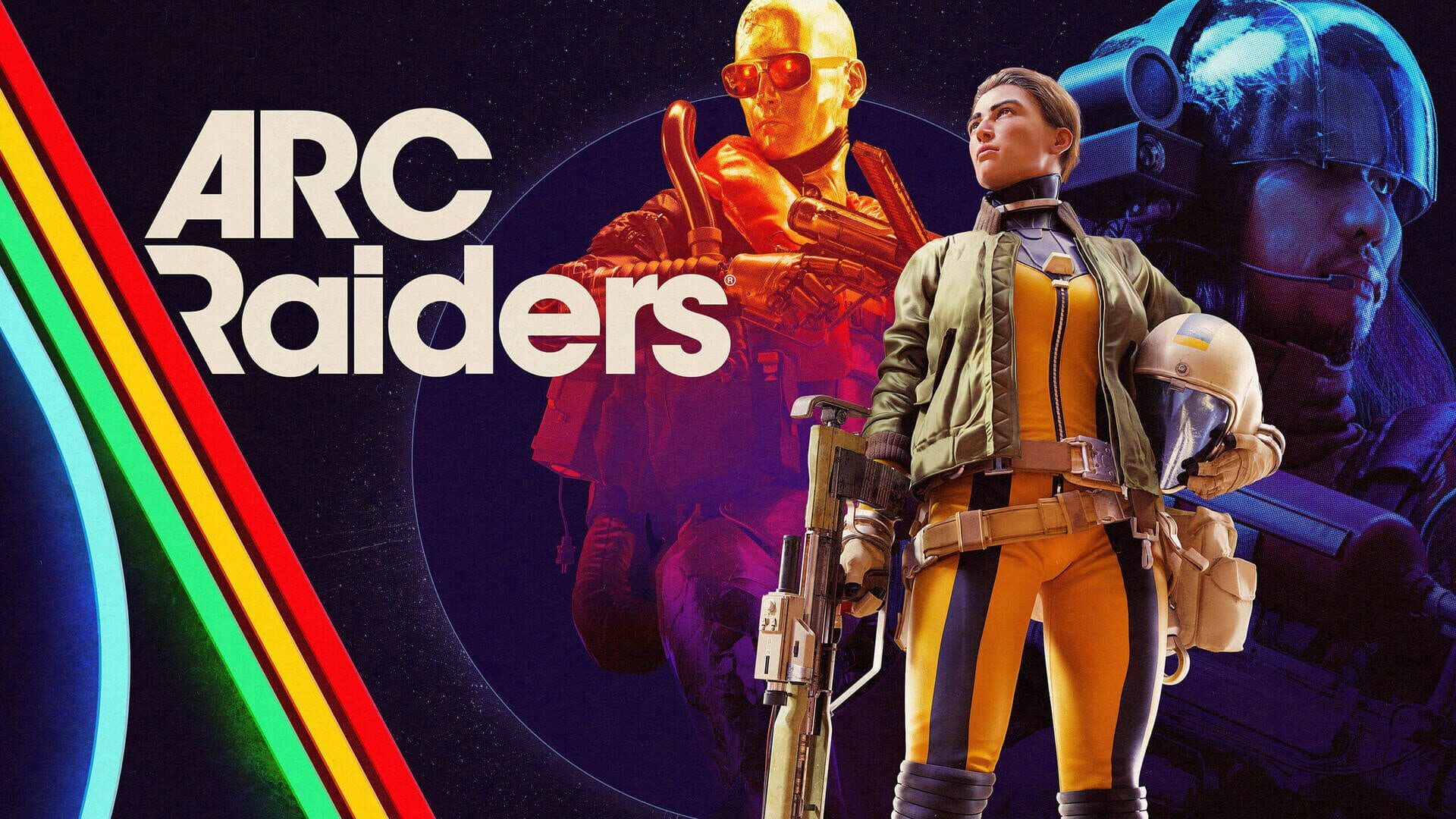
A hidden console exploit briefly turned Arc Raiders into a janky but fascinating first‑person game. Here’s how the trick worked, why Embark killed it in a day, and what the reaction says about camera options in extraction shooters.
Arc Raiders is built and marketed as a third‑person extraction shooter, but for about a day players got to peek at an alternate reality. A hidden command in a leftover dev console opened up a crude first‑person view that was never meant to exist outside Embark’s tools. It spread, it broke the game in a couple of important ways, and then it was gone.
The whole episode was quick, messy and surprisingly revealing about what players want from perspective options in extraction shooters.
How the Arc Raiders first‑person exploit actually worked
The trick started with a console Embark never intended players to touch. On PC, Arc Raiders shipped with access to an Unreal‑engine based developer console bound to a command called NewConsole. According to reporting from PC Gamer, Rock Paper Shotgun and Kotaku, this console let players tweak visual and camera settings that were meant purely for internal testing.
Most people who found it at first used it for mundane cheating. They cranked up brightness, removed fog, flattened shadows and generally stripped away atmosphere to get clearer visibility in PvPvE firefights. In a game where spotting silhouettes in the dark can be the difference between extracting with loot or getting wiped, those were serious advantages.
One Reddit user, known as Short_Satisfaction_9, went further. After seeing talk about the console on the Arc Raiders subreddit, they started experimenting with camera parameters. By combining commands that pushed the camera into the character’s head and hid parts of the model, they forced the game into a rough first‑person view.
What they created was not a secret fully animated FPS mode. There were no bespoke weapon animations, no proper hands models and no polished head bob. Clips shared around social media showed the camera clipping through the Raider’s face, arms phasing in and out of view and occasional geometry pop‑in when the camera moved too close to surfaces. It was plainly a debug‑style camera rig that happened to be just good enough to play with.
That roughness was the point. The exploit proved the game could be coerced into first person, but everything about it screamed “unfinished internal tool,” not “hidden feature.”
Why Embark shut it down within a day
Embark’s response was almost immediate. Within about 24 hours of the first‑person clips gaining traction, community manager Ossen announced on the official Discord that a hotfix was rolling out. The patch removed access to the NewConsole command entirely.
Embark’s public reasoning had two parts.
First was competitive integrity. The console did far more than move the camera. Players could strip out fog, boost visibility and generally rewrite the visual rules everyone else had to play by. Because Arc Raiders supports cross‑play between PC and consoles, that meant PC users with a keyboard and hidden commands could see more clearly and react faster than console players who were stuck with the intended presentation.
In extraction shooters, where ambushes and sightlines are everything, this kind of exploit is catastrophic. Being able to see through atmospheric effects and cut visual clutter is essentially wallhacking by another name. Once clips started circulating and command strings were being shared, Embark had little choice but to lock the whole thing down.
Second was intent. Embark clarified in multiple statements that this functionality was “never meant to be player‑facing.” The console was a vestige of the game’s development environment, a leftover hook from Unreal that slipped into the live build. Leaving it in would not just risk further exploits but also blur the line between official options and unsupported hacks in a game that is already fighting the usual wave of cheaters.
There is also a less public‑facing but obvious factor: support costs. The moment a quasi‑first‑person view is found, some players treat it as a promise. Questions start: When is FPS coming? Why doesn’t it work right? Why does this animation look broken? For a live‑service game trying to stabilize its meta, remove cheaters and iterate on core systems, owning an unintended camera mode is a distraction.
So Embark chose the blunt instrument. Rather than whack each individual exploitable setting, it removed the console root and promised to keep tightening up its rulesets and detection tools around unfair advantages.
Embark’s design stance on first person in Arc Raiders
This crackdown is consistent with what Embark has already said about perspective. In interviews cited by PC Gamer and other outlets, creative leads have described a first‑person mode as extremely unlikely for Arc Raiders.
Their reasoning goes beyond animation work. The entire game is built with a pulled‑back camera in mind. Enemy silhouettes, map layouts, cover placement and even some of the spectacle are tuned for an over‑the‑shoulder view. Push the camera into the player’s head and two big problems appear.
The first is readability. Third person gives you strong peripheral awareness and spatial context, which is critical in a co‑op extraction game where threats can come from every angle. A sudden switch to first person would demand a re‑evaluation of sightlines, encounter spaces and even AI aggression so that players are not blind‑sided in ways that feel unfair.
The second is asset fidelity. As one Embark developer put it, the game looks great from mid‑distance. But once you can stick your virtual nose against walls, props and character models, shortcuts become visible. Materials, textures and geometry that read fine from an external camera can look flat or low‑detail up close, and that can shatter immersion instead of enhancing it.
So while the exploit showed that some kind of first‑person framing exists inside the tools, it also underlined precisely why Embark has not shipped it as an option. To do it properly would mean substantial redesign work that the studio clearly is not planning in the near term.
How players reacted to the lost viewpoint
The community’s reaction split into a few distinct camps that say a lot about what people want from Arc Raiders and extraction shooters in general.
One camp treated the exploit as pure nightmare fuel, in a good way. Clips of towering ARC machines bearing down on players from a first‑person view went viral because they were genuinely unsettling. Without the safety of an over‑the‑shoulder buffer, the game’s scale and audio design felt more oppressive and intimate. For these players, the exploit was a proof of concept that Arc Raiders could be an excellent horror‑tinged FPS.
Another camp focused almost entirely on the competitive implications. Console players and PC users who stuck to the default settings were quick to highlight how the console tools broke fair play long before anyone discovered pseudo‑first‑person. Being able to delete fog or dial in super‑human clarity was a bigger worry than camera novelty. For them, the hotfix was not just welcome, it was overdue.
A third camp looked at the footage and shrugged. Writers at outlets like Kotaku argued that Arc Raiders is better off as a third‑person game, that its identity and readability depend on that camera. Some players echoed this, noting that third person makes the social and exploratory parts of extraction play more approachable while still allowing for tense firefights.
Across all these positions though, there was one common thread. A lot of players did not want first person instead of third person, they wanted it as an option. Discussion threads on Reddit and social media quickly filled with variations of “Why not a separate playlist?” or “Just add an FPS mode that queues only with other FPS players.” That mindset reflects a broader expectation in modern shooters that camera perspective can be another toggle in the options menu, much like FOV or motion blur.
What this says about perspective options in extraction shooters
The Arc Raiders glitch lands in a genre that is still working out its relationship with camera perspective. Big names like Escape from Tarkov are firmly first person, building tension from limited awareness and granular gunfeel. Others, like The Division’s Dark Zone or Hunt: Showdown’s early prototypes, started by leaning on third person for readability and style.
Players now move freely between these games, so they bring certain expectations with them. One is the idea that more options are always better. If PUBG, Call of Duty: Warzone and other shooters can juggle first‑ and third‑person playlists, why not Arc Raiders?
The answer circles back to design focus. Those battle royale examples were either born as first‑person games and added third person later, or vice versa, with huge effort invested in supporting both. Extraction shooters put even more pressure on information asymmetry and encounter balance. A mixed‑perspective lobby introduces hard problems: third‑person players can peek over cover without exposing themselves, while first‑person players get better aiming fidelity and immersion. Splitting queues by camera mode avoids that, but at the cost of fragmenting a playerbase that still needs healthy matchmaking.
Arc Raiders’ tiny first‑person window demonstrated both sides of this tension. The footage showed how compelling the game might feel in a more immersive view, especially for players who love Tarkov‑style intensity. At the same time it immediately exposed balance issues and gave certain players unfair advantages, even before you consider the wider console‑vs‑PC gap.
The strong positive reaction to the clips suggests that there is real appetite for experimental camera options in extraction shooters, particularly when they amplify atmosphere. But Embark’s swift removal and firm messaging underline a different reality: in a cross‑play, live‑service extraction game, any perspective change has to be baked into the design from the start or it risks undermining the entire experience.
A brief glimpse into an alternate Arc Raiders
In the end, the first‑person exploit amounted to a fleeting “what if.” For a day or so, Arc Raiders looked like a terrifying, scrappy FPS born out of debug commands and forum curiosity. Then Embark flipped the switch, closed the console and steered the game back toward the third‑person vision it was built around.
The episode will probably not convince Embark to invest in a full first‑person mode, at least not soon. It does, however, show how hungry players are for new ways to inhabit these extraction worlds, even when getting there means bending the rules. If Arc Raiders or its competitors ever decide to tackle multi‑perspective modes properly, this brief glitch will be remembered as the moment that proved the appeal, and the risks, of letting players change the view.