
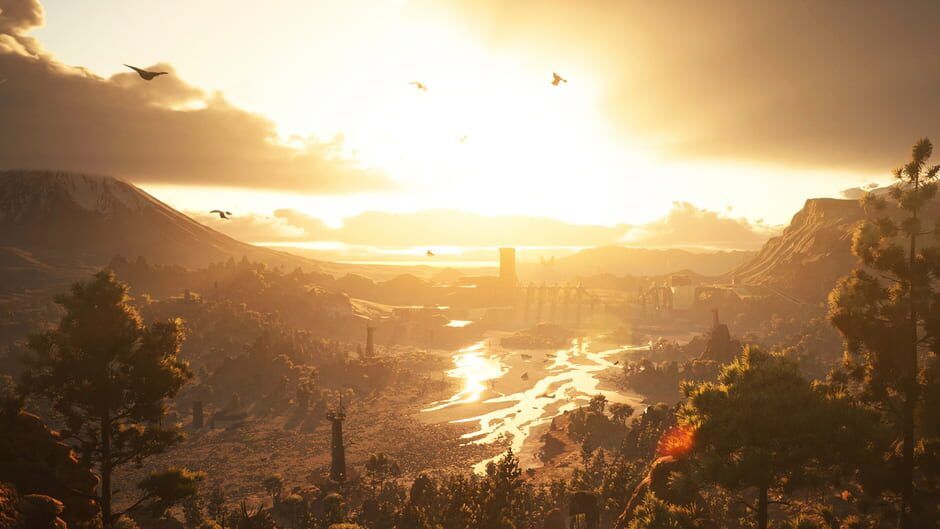
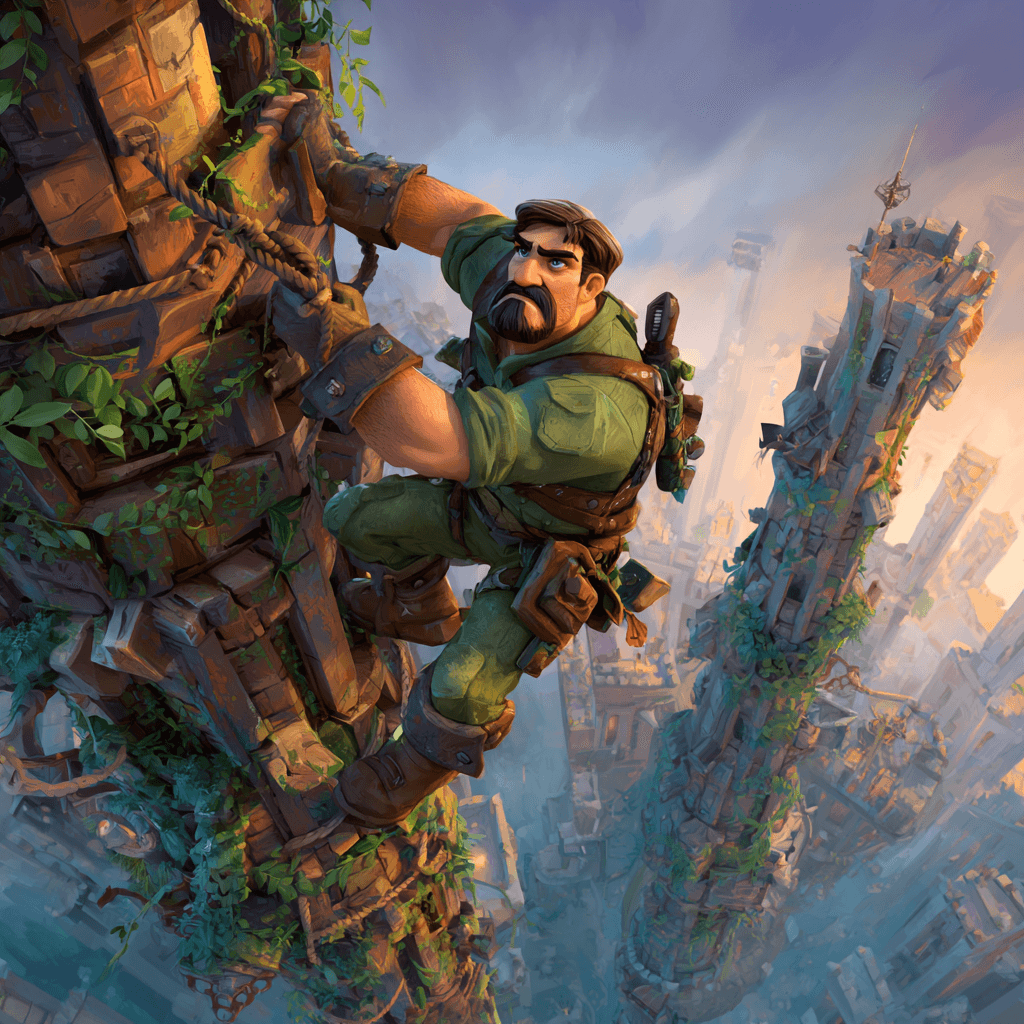
How snowstorms, limited-time events, the new Raider Deck, and behavior-based matchmaking are reshaping risk and community play in Arc Raiders.
Arc Raiders has been in a constant state of calibration since launch, but the Cold Snap update feels like the first time Embark has pulled several major levers at once. Environmental hazards, seasonal progression, economy tweaks and even hidden social scoring are now intersecting in matches. The result is an extraction shooter that asks harder questions about when you push, when you extract, and who the game is quietly pairing you with.
Snowstorms Turn Familiar Routes Into Gambles
On paper, Cold Snap’s big headline is simple: most of the core maps now have a snowfall condition, thick blizzards and frozen water. In practice, those snowstorms are a direct attack on the comfort routes that early Raiders had already solved.
Before the patch, extraction on Dam Battlegrounds and the Buried City often followed predictable lines. Squads would swing wide along open low ground, farm predictable ARC patrols, then rotate across lakes or riverbeds that doubled as sightlines and escape lanes. With snow reducing visibility and lakes freezing over, those same routes now carry different risk profiles.
The frozen lake in Dam Battlegrounds lets you cut straight across previously dangerous water, but it’s a natural killbox once visibility clears for even a moment. You gain a faster line to mid-tier loot stashes and some of the better vantage points, yet you do so while broadcasting footprints in the snow and the sound of crunching ice to every third party in earshot.
For extraction-shooter veterans who relied on long-range information, the snowstorms invert expectations. High-ground sniping along the Spaceport’s exposed scaffolding or the Blue Gate’s cliffs is now far less reliable. Fights that used to be decided before anyone crossed 150 meters often collapse into desperate mid-range brawls at 40 or 50 meters, where weapon handling and panic decision-making trump pure map knowledge.
The frostbite mechanic quietly nudges those decisions even harder. Staying outside too long bleeds health, and since there are no outdoor heat sources to reset that timer, your risk budget is literally your medkit count. Aggressive squads who used to hover on the edge of storm encirclements to poach late extracts now have to calculate whether chasing one more downed Raider is worth burning their last heals before reaching an indoor safe pocket.
Time-Limited Events Layer Extra Pressure On Every Run
Cold Snap’s Flickering Flames event and the Candleberry Banquet Project aren’t just cosmetic carrots. They braid progression pressure directly into the existing extraction loop and shift how players evaluate risks inside each raid.
Flickering Flames uses a 25-level track that advances through Merits gained from match XP. On its own, that would already reward high-activity play and longer survival. But when paired with frostbite and reduced visibility, staying in a raid long enough to maximize XP becomes a sharper tradeoff. Do you push one more high-risk ARK cluster in the Buried City for a chunk of XP and Merit progress, or do you cut the run short to bank what you already have before frostbite and third parties converge?
The Candleberry Banquet Project pushes that tension further. The event asks the community to donate surface items like Candleberries, with each stage adding to a growing banquet scene and unlocking cosmetics and more Merits. These items are not safely waiting in low-traffic corners. They tend to pull Raiders toward contested surface pockets and exposed approaches that are significantly harder to navigate in blizzard conditions.
A common story in the community right now is the Candleberry that got away. Squads chasing event drops will overextend on the frozen lakes of Dam Battlegrounds or the snow-swept streets of the Spaceport, ignoring their remaining healing and extraction timing. When frostbite starts ticking and audio cues get swallowed by the storm, ambushes happen at ranges where even veteran players struggle to parse movement from weather.
Extraction shooters live and die on player-driven risk. What Cold Snap does is formalize that risk in seasonal progression. Every optional objective you chase, every extra fight you take, is framed in terms of tangible short-term gains on an event track. The result is more volatile lobbies. Even normally conservative squads are taking coin-flip engagements because events expire on January 13 and nobody wants to leave cosmetic rewards on the table.
The New Raider Deck Rewards Aggression, Not Hoarding
Running alongside Cold Snap is the Goalie Raider Deck, a free seasonal deck that behaves like a battle pass. On its face, it is a straightforward reward ladder packed with cosmetics and useful items, but in the context of Arc Raiders’ broader economy changes it has clear implications for how players approach each match.
Earlier patches already cracked down on Cred hoarding and some of the more generous farming loops. Efficient players who previously banked large Cred reserves could shrug off bad runs and experiment with new builds freely. Patch 1.7.0 and the current economy tilt the game away from that stockpiling mindset and toward a live, run-to-run grind.
The Goalie Raider Deck slots into that shift. Since it is free and progression is tied to play, there is a constant pull to simply be in matches, taking fights, completing contracts and extracting with something to show for the time. You are less incentivized to run low-risk, low-reward routes designed to accumulate currency over long periods. Instead, you are nudged toward higher-intensity routes that yield more XP, more Merits and more chances at unlocking deck rewards.
Community chatter has already picked up on this. Players who leaned on slower, stealthier extraction styles in the Buried City or around the Blue Gate complain that the optimal way to progress deck pages and event tracks is to get into the thick of it, not to skulk around the edges. Meanwhile, more action-oriented squads are thriving, treating every raid as a sprint through high-density ARC clusters and player hotspots.
In meta terms, the Goalie Raider Deck and the harsher Cred economy narrow the viable spectrum of play. High-risk looting and frequent combat produce more predictable returns than cautious survival for its own sake. For now, Arc Raiders still supports both, but the gravitational pull is clearly toward the chaos.
Matchmaking That Watches How You Play
All of this exists under a matchmaking system that Embark has now confirmed is watching not just how well you play, but how you behave. Skill remains one axis, but the studio is open about factoring in behavioral indicators when forming lobbies.
We are not talking about an explicit reputation score plastered on your profile. Instead, repeated teamkilling, griefing, rage quitting or otherwise sabotaging your squad are tracked as signals that influence where you land. Embark stresses that this is not a shadowban system, more a way of steering chronic bad actors toward each other and shielding more cooperative players from the worst behavior.
In an extraction shooter, where trust and communication directly impact your odds of making it out with loot, that subtle sorting can be more powerful than a simple MMR bracket. A trio focused on event progression, Candleberry donations and Raider Deck levels is far better served by teammates who ping threats, share medkits against frostbite and call out flanking Raiders than by a mechanically gifted loner who abandons the squad the moment shots ring out.
One emergent pattern from the community is that squads leaning into Cold Snap’s cooperative quests are reporting more consistent teammates. Players who routinely finish quests, stick with their parties and avoid needless betrayals appear more likely to find similar partners in new matchmade runs. Conversely, those who treat matchmaking as a disposable chaos generator, bouncing mid-raid or griefing to steal loot, increasingly find themselves in lobbies where everyone else behaves the same way.
How Snow, Quests And Behavior Are Reshaping The Meta
Taken together, the Cold Snap changes and Embark’s behavior-aware matchmaking are doing more than just adding a winter coat of paint. They are pushing Arc Raiders toward a higher-stakes, socially filtered meta.
On the tactical side, blizzards and frostbite make map knowledge less about memorizing sniper sightlines and more about understanding safe indoor chains, backup extract paths and the timing cost of every detour. The old optimal routes that hugged open valleys or water lines are now opportunistic plays rather than defaults. Smart squads are rehearsing new paths that weave between interior nodes, using short outdoor sprints to minimize frostbite while still contesting event objectives.
On the strategic side, limited-time events and the Raider Deck effectively put a clock on every session. The looming January cutoff for Flickering Flames and the Banquet Project makes every night feel like a push night. As a result, the average risk appetite across the playerbase has climbed. When even cautious players are chasing final-tier rewards, hot drops into Dam Battlegrounds’ central complexes or the busiest sectors of Spaceport become the norm, not the exception.
Layered on top of that is matchmaking that nudges like-minded players together. Coop-focused Raiders who adapt to the weather, share heals and communicate about frostbite timers are slowly being coalesced into more stable lobbies. Those lobbies in turn feed the meta that treats events and progression as shared goals. The opposite edge of the matchmaking spectrum is forming its own micro-meta, where high-friction players collide in messy, unreliable squads that often burn out before extraction.
The end result is that Arc Raiders is drifting away from the fully open, anything-goes chaos associated with some early extraction shooters. Instead, it is becoming a game where environmental pressure, timed objectives and your own behavioral footprint all conspire to define what kind of raids you see, not just what loot you bring home.
For players, the message is simple. In Cold Snap, the safest path is rarely the most rewarding, but the most rewarding path is almost never walked alone. Learn the new storm routes, respect frostbite, pick your quests carefully, and treat your squad like the long-term investment it actually is. The game is watching, and it is matching you accordingly.