

How Arc Raiders is using brutal event tuning, permanent bans, and a year-long roadmap to keep its breakout extraction shooter hot in early 2026.
In early 2026, Arc Raiders sits in a precarious sweet spot. Embark’s extraction shooter has already broken out commercially, with over 12.4 million copies sold and hundreds of millions in revenue, but it is also staring down the same second–year wall that has stalled many live–service hits. The studio’s answer is a three–part push built around punishing seasonal events, a newly aggressive anti–cheat stance, and a promise of multiple new maps backed by a full–year roadmap.
Taken together, Arc Raiders’ Cold Snap event stats, permanent bans, and expansion plans form a sharp case study in how a young extraction shooter tries to grow without losing control of its own sandbox.
Cold Snap: A brutal stress test disguised as a holiday
Cold Snap was Arc Raiders’ big late–2025 / early–2026 seasonal moment, and Embark has been surprisingly transparent about how it played out. The headline number is that only about 8 percent of raiders managed to finish the limited–time Candleberry Banquet, a demanding multi–step activity that sat at the center of the event.
That completion rate is striking in a genre where seasonal activities are often tuned as breezy, FOMO–driven grinds. Instead of handing everyone a victory lap, Cold Snap felt more like a live balance test for the endgame extraction meta. The studio shared that players knocked each other out with snowballs 91 million times during the event, yet fewer than 11,000 enemies were actually killed with those same festive projectiles. The numbers underline how Embark leaned into chaos and comedy but refused to defang the underlying systems.
For Arc Raiders’ second year, that 8 percent figure matters less as a badge of hardness and more as a signal. Embark is willing to let an event skew punishing if it also produces data about how squads move, fail, and adapt under pressure. In extraction shooters, where tension and loss are the point, Cold Snap suggests the game is not chasing the softer, more forgiving loop that often arrives once a live service finds mass success.
A breakout hit under real pressure
The commercial story around Arc Raiders is the context that makes these design choices matter. After its October 2025 launch, the game quickly vaulted into the top tier of shooters, reaching more than 12.4 million copies sold within its first year. Revenue in the hundreds of millions has put Embark in rare air for a new IP, especially one that blends co–op PvE and high–stakes PvP extraction.
Success has also sharpened the stakes of every live–ops decision. When a game this big leans into a brutally tuned event, it risks alienating casual players who arrived late. When it takes a hard line on cheating, it risks false positives on high–profile accounts. The early–2026 moment is less about whether Arc Raiders is popular and more about whether it can keep growing without hollowing out what made it work.
From 30–day slaps to permanent bans
Nowhere is that tension clearer than in Embark’s rapidly evolving anti–cheat strategy. Through late 2025 and the very start of 2026, Arc Raiders’ biggest criticism was simple: cheating was out of control. Aim–assist scripts, out–of–bounds exploits, keycard spoofing and especially stream sniping turned tense raids into lopsided ambushes.
Embark’s initial response leaned on temporary measures. Cheaters caught by automated systems or manual review typically received 30–day suspensions, with the studio promising hardware bans only for repeat offenders. That might have looked reasonable on paper, but in practice it landed as toothless. When high–profile streamers showed suspension messages on social media with clear “access will be restored” dates a few weeks out, frustrated players saw a cost–of–doing–business penalty rather than a deterrent.
Community pressure mounted as big names like Shroud and other extraction veterans openly discussed leaving the game. Stream sniping in particular became a flashpoint, with coordinated groups queuing into the lobbies of popular broadcasters, often while running external cheats, and using the live feed to track them throughout a match.
By mid–January 2026, the tone had changed. Embark quietly moved from warnings and month–long suspensions to outright permanent bans for the worst offenders. Social posts started surfacing with messages that no longer listed a return date. Instead, they carried blunt notices that access was permanently revoked because of severe violations.
This shift did not arrive in isolation. In the weeks around it, the studio also:
Removed PC access to the Unreal Engine console that some players were using to tweak visual clarity or enable first–person style camera mods in ways that conferred an advantage.
Pushed patches that targeted known exploits, including out–of–map spots and keycard spoofing in high–value raid locations.
Promised “significant changes” to detection and ban systems, signaling that the current wave of enforcement is not just a one–time purge.
The focus of the permanent bans, at least early on, appears to be the most notorious cheating stream snipers: people who had built a kind of parasitic celebrity around harassing popular broadcasters. For Embark, hitting that group hard solves two problems at once. It protects the public face of the game on Twitch and YouTube, and it sends a message to the broader playerbase that there are now stakes attached to cheating beyond a brief account timeout.
There have been messy edges. High–visibility cases like Tfue’s short–lived 30–day suspension raised questions about false positives and overreach. That ban was eventually reversed, and it predated the current wave of permanent suspensions, but incidents like it underline the tightrope Embark is walking. The studio wants to be seen as uncompromising on cheaters without looking cavalier about banning legitimate high–skill players.
As a case study in live–service course correction, the lesson so far is simple. Light punishments are rarely enough once a shooter becomes big. It took open backlash, declining streamer patience, and a wave of bad publicity for Arc Raiders to escalate to permanent bans. Early 2026 is the line in the sand.
Multiple new maps and a full–year roadmap
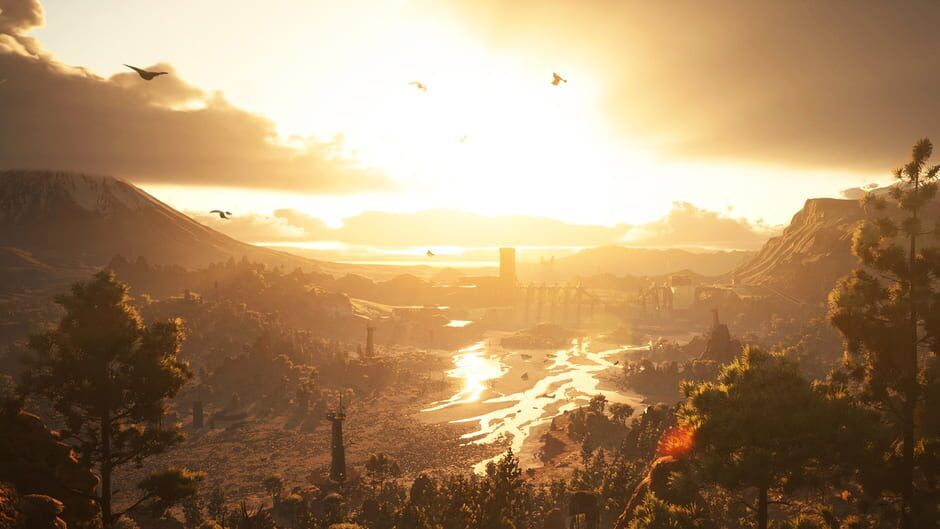
If Cold Snap and the anti–cheat crackdown are about preserving Arc Raiders’ moment, the other half of Embark’s 2026 pitch is about expanding it. The studio is talking openly about “multiple maps” arriving across the year, with design lead Virgil Watkins describing a deliberate spectrum of size and style.
Rather than simply shipping a handful of similar backdrops, Embark is promising smaller, tighter arenas alongside maps that are even grander than anything currently in the rotation. The goal is to treat each map as a variant experience, not just a new coat of paint on the same extraction loop.
In practice, that means leaning on three pillars.
First, environmental conditions. New maps are expected to play with weather, visibility and traversal in more extreme ways, making storms, fog or verticality into real strategic constraints. Second, enemy compositions. Different regions of the ruined Earth Embark has imagined will emphasize new machine types or new mixes of familiar ones, altering how squads kit out and plan their route. Third, loot profiles. The studio has already teased the idea of escalated loot on specific maps, which would turn some zones into high–risk, high–reward destinations that reshape the meta around them.
The broader promise sitting behind those maps is a formal, year–long roadmap. Embark has said it will lay out an extended look at weapons, objectives and new enemy types “sometime soon” in 2026, tying seasonal events and map drops into a more predictable cadence.
For a live extraction shooter entering its second year, that level of transparency can matter as much as any single feature. A roadmap is a retention tool, convincing lapsed raiders to check back in and giving dedicated squads a sense of what to grind for next instead of chasing short–term FOMO.
Sustaining momentum into year two
Arc Raiders’ early–2026 strategy is interesting because of how integrated it is. Cold Snap’s punishing difficulty and detailed stat breakdowns show a studio treating its playerbase as a testbed rather than a crowd to be coddled. The sudden escalation from 30–day suspensions to permanent bans shows a willingness to redraw the social contract around fair play once the old rules stop working. The promise of multiple new maps and a year–long roadmap speaks to a confidence that the core extraction loop can support variety without losing its identity.
Put together, these moves are an attempt to answer the central live–service question: how do you grow a breakout hit without sanding down the edges that made it stand out? Embark’s answer, at least for now, is to tune events like raids, treat cheaters like an existential threat instead of a nuisance, and commit to a future that feels concrete enough for players to plan around.
Whether that is enough to carry Arc Raiders cleanly into and through its second year will depend on execution. The next wave of maps has to feel genuinely distinct, not just reskinned biomes with slightly different loot tables. Anti–cheat improvements will have to keep pace with increasingly sophisticated scripts without burning goodwill through false bans. Seasonal events will need to walk a careful line between Cold Snap’s 8 percent bragging rights and the broader audience that arrived after the game went mainstream.
For now, though, Arc Raiders is using its early–2026 moment to send a clear message. The game is not relaxing into comfort. It is doubling down, tightening the screws on both its systems and its community as it tries to turn a breakout first year into something that lasts.