
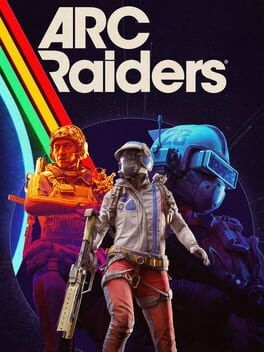
ARC Raiders has smashed through 12.4 million copies sold and 960k concurrent players in under three months. Here’s how smart discounts, word of mouth, and the new 1.11.0 balance patch are turning it into one of the most resilient live‑service shooters around.
ARC Raiders was supposed to be a risk. A premium, buy‑to‑play extraction shooter from a brand‑new studio, launching into a live‑service landscape littered with corpses and abandoned roadmaps. Instead, it has quietly become one of the most convincing counter‑arguments to the idea that the live‑service shooter market is “dead.”
In less than three months, Embark Studios’ sci‑fi extraction shooter has sold over 12.4 million copies worldwide and hit a record 960,000 concurrent players, according to Nexon’s latest figures. That is a pace that puts it in the same breath as Helldivers 2 and other high‑flying co‑op hits, but with a twist: ARC Raiders did it across PC, Xbox Series X|S, and PlayStation 5, without a free‑to‑play pivot.
This is the story of how it got there, and how the latest 1.11.0 patch is trying to make sure it stays there.
From slow burn to 12.4M: how momentum actually built
ARC Raiders did not explode in a single launch‑day spike. At release in late October 2025 it posted strong but not record‑setting numbers, clearing 4 million copies within its first two weeks and quickly climbing Steam’s top‑seller charts. By early December, daily sales were starting to normalize and analysts were already framing it as a solid hit rather than a phenomenon.
The inflection point came as the holiday season kicked in. A well‑timed 20% discount rolled out across all major platforms around Black Friday and into the winter sale window. According to analyst breakdowns and Nexon’s own commentary, this temporary price cut reversed the slide in daily unit sales. New players flooded in just as word of mouth from early adopters was peaking.
The result was a rare second surge. ARC Raiders crossed the 10 million mark by the end of December, then accelerated into January. In total, it reached 12.4 million copies sold within about ten weeks of launch, with the 960,000 concurrent player peak landing in early January across PC and consoles.
That concurrent peak matters more than the headline sales number. It signals that players were not just sampling the game at a discount, but actually sticking around, queueing for raids and pushing Stella Montis’ servers to their limits long after the launch honeymoon.
Why this live‑service pitch actually landed
On paper, ARC Raiders looks like it should have struggled. A paid extraction shooter, live‑service structure, a new IP and a crowded field of shooters all fighting for the same nightly playtime. The difference came down to three factors working together: pricing strategy, discoverability, and systems that reward long‑term play instead of just grinding out a battle pass.
The first piece was pricing cadence. Embark and Nexon avoided an early fire sale that would have undercut launch buyers. Instead they held at full price through the most hype‑driven first weeks, then dropped the 20% discount just as mainstream interest was stabilizing. Players who were curious but cautious suddenly had a lower barrier to entry, and that coincided with the game’s first major post‑launch events and content beats.
That is where word of mouth took over. Positive reviews and strong scores, combined with streamers showcasing high‑tension extractions, helped reshape the narrative around ARC Raiders. It was not just another punishing extraction grind. Clips of chaotic extractions, squad betrayals, and desperate sprint‑to‑dropship escapes played perfectly on social platforms. As more players jumped in during the discount window, those same social channels became a feedback loop of highlights and recommendations.
Finally, the underlying design supported retention. ARC Raiders leans into PvPvE tension, but it also understands that progression and cosmetics have to respect players’ time. Loot tables, Raider Deck unlocks, and seasonal events like Cold Snap and the Flickering Flames event layered new short‑term goals without invalidating older progress. That balance between long‑arc progression and session‑level drama gave it the kind of stickiness that analytics teams dream about.
Nexon’s own framing is telling here. In investor messaging the publisher calls ARC Raiders a “fresh, highly differentiated” take on the extraction shooter, but what that really means is that it treats live‑service less like a casino and more like a long‑running co‑op campaign, with seasons as chapters rather than resets.
The 960k peak and what it says about health
Hitting 960,000 concurrent players in January is not just a marketing bullet point, it is a litmus test for live‑service health. By that point, the initial launch crowd has usually thinned out, and many competitive shooters are already bleeding players to the next big thing. Instead, ARC Raiders’ concurrency rose.
Several data points help explain that:
The player peak coincided with the tail end of the holiday discount window and a wave of regional promotions on PC storefronts.
New content hooks, including the early form of the Abyss cosmetic theme and a darker, more hostile version of Stella Montis, gave returning players something fresh to chase.
Embark kept patching aggressively, fixing extraction bugs, tuning rewards, and communicating through detailed patch notes that acknowledged community concerns about weapon balance, spawn fairness, and matchmaking.
The 960k peak also represented more than just a momentary marketing beat. Third‑party trackers and Steam concurrency charts show a relatively high floor for ARC Raiders’ active population, with peak hours staying strong across NA, EU, and key Asian territories. For a premium multiplayer shooter, that is the difference between a game you can reliably matchmake in and one that feels like it is already on life support.
Patch 1.11.0: nerfing Trigger ’Nade and Kettle before the meta calcifies
With a population this large, balance decisions can make or break a live‑service reputation. ARC Raiders’ latest 1.11.0 update is a clear example of Embark trying to move early on emerging problems rather than letting a degenerate meta harden into expectation.
At the center of 1.11.0 are changes to two lightning‑rod pieces of gear: Trigger ’Nade and Kettle.
Trigger ’Nade had become a staple in high‑level PvP and contested extraction hot zones thanks to its enormous burst potential and reliable clear in cramped spaces. The 1.11.0 patch dials that back. Direct damage has been reduced, the explosion radius tightened, and its effectiveness through soft cover has been toned down. The goal is not to kill the grenade outright but to make it a calculated choice rather than the default answer to every close‑range engagement.
Kettle, a high‑output primary that excelled at mid‑range duels, received similar treatment. The weapon’s time‑to‑kill was so fast that it compressed the viable weapon pool, marginalizing more nuanced rifles and SMGs. In 1.11.0 Embark has increased recoil, stretched time‑to‑kill slightly by nudging base damage and falloff values, and adjusted aim down sights stability. Kettle remains lethal in practiced hands, but it no longer erases opponents before they can react.
These changes land alongside a bundle of smaller tuning tweaks to recoil patterns, armor interaction, and some PvE mob behavior. Collectively, they are clearly aimed at one thing: keeping PvP from devolving into a tiny set of “must‑run” builds that scare off newer players while boring the veterans who stick around.
Importantly, Embark framed the 1.11.0 balance pass with match data. The studio pointed to pick rates, kill share, and extraction survival rates that had skewed heavily around Trigger ’Nade and Kettle, especially in high‑MMR “aggression‑based” brackets. By explaining not just what they changed but why, the team is trying to build trust in a community conditioned to side‑eye every nerf.
Cosmetics that tell a story: the Abyss set and the Gilded Pickaxe
Patch 1.11.0 is not just about taking power away. It also layers in new reasons to log in that fit ARC Raiders’ tone instead of clashing with it.
The headline addition is the Abyss cosmetic set. Rather than a random assortment of flashy skins, Abyss leans into the game’s darker, more mysterious side. Armor plates and helmets are streaked with voidlike black and deep indigo accents, visor designs hint at experiments in hostile environments, and the set ties into lore drops about what might be lurking beneath Stella Montis’ surface.
For a live‑service game, that kind of cohesive aesthetic matters. It reinforces the feeling that seasons and cosmetic collections are parts of a single universe rather than disconnected shop updates. Players who have already sunk hundreds of hours into raids now have thematically consistent gear to chase that says something about where the story is going, not just how much currency they spent.
Then there is the freebie that everyone is talking about: the Gilded Pickaxe. To celebrate the 12.4 million sales milestone, Embark and Nexon are gifting every player a golden Raider tool, claimable via the in‑game inbox for anyone who has logged in since launch.
The pickaxe is more than a shiny souvenir. It is a subtle reminder of what ARC Raiders is about at its core: digging through a dangerous world in search of loot and stories, surviving long enough to extract, then diving right back in. As a gesture, it hits a sweet spot. It rewards existing players without undercutting paid cosmetics, and it gives returning or new Raiders a small but visible status symbol that ties them to this specific chapter in the game’s history.
Live‑service done the hard way: what ARC Raiders’ trajectory signals
Viewed from the outside, ARC Raiders’ trajectory looks almost old‑fashioned. It launched as a polished premium game, built a player base on the strength of its core loop, then used targeted discounts, frequent patches, and themed cosmetics to grow and sustain that audience. There is no battle‑royale pivot, no desperate free‑to‑play flip, and no abrupt abandonment of early systems.
The 1.11.0 patch highlights how Embark wants to manage that success. Instead of locking into a static meta to protect short‑term monetization, the studio is willing to swing the nerf bat at overly dominant tools like Trigger ’Nade and Kettle before the community fully calcifies around them. At the same time, it rewards the broader player base with universally accessible cosmetics like the Gilded Pickaxe and aspirational, lore‑infused sets like Abyss.
The live‑service shooter space is not any less crowded than it was when ARC Raiders was first revealed. If anything, the bar is higher now, with players expecting full cross‑play, seasonal events, and regular balance passes as table stakes. What ARC Raiders shows is that it is still possible to break through that noise if you launch with a strong identity, price smartly, listen hard, and patch fast.
Twelve point four million copies sold and 960,000 concurrent players in under three months do not guarantee a forever game. But with 1.11.0, Embark is at least proving that it understands the long game, and that it is willing to do the unglamorous live‑service work of nerfing, nudging, and nurturing a meta to keep players queuing for one more run across the wreckage of Stella Montis.