
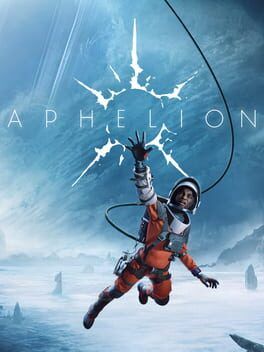

César‑winning composer Amine Bouhafa brings a filmic sense of space, silence, and character to Don’t Nod’s frozen sci‑fi adventure Aphelion, while the studio locks in a PS5 physical edition for collectors.
Don’t Nod has always leaned on music to sell emotion, but with Aphelion the studio is putting its soundtrack front and center. The cinematic third‑person sci‑fi adventure, set on a hostile frozen planet, is being scored by French‑Tunisian composer Amine Bouhafa, a César winner best known for his film work on projects like The Summit of the Gods and Timbuktu. Aphelion is his first video game, and both the composer and studio are treating that fact as a feature, not a risk.
From the first reveal trailer and the recent “A Musical Journey” featurette, it is clear that Bouhafa is not interested in the typical sci‑fi bombast. His music for Aphelion is sparse and fragile, built on diminished chords and melodies that seem to hang in the air rather than drive relentlessly forward. That restraint is doing a lot of heavy lifting for Aphelion’s tone. Where many space games lean on huge brass swells and pounding percussion, Aphelion’s score creates a sense of distance and unease, mirroring its title and its story about being pushed to the emotional and physical edges.
Bouhafa’s background makes that approach feel deliberate rather than incidental. In film, his scores often sit just behind the image, adding tension or warmth without overwhelming the performances. The Aphelion team reportedly discovered him through The Summit of the Gods, an icy, isolation‑driven story that is not far removed from what Aphelion is going for. That film’s music blended lyrical themes with an ever‑present sense of risk and altitude, and the same idea seems to be carrying over here. On a frozen exoplanet with treacherous terrain and reality‑bending phenomena, Bouhafa is aiming for a soundscape that makes the player feel the thinness of the atmosphere and the fragility of the characters’ situation.
In developer interviews and press materials, Bouhafa talks less about hooks and more about narrative structure. He describes building the score around Aphelion’s story beats, almost as if he were spotting a feature film. That means themes are designed to evolve alongside astronaut Ariane’s journey as she attempts to save her injured partner Thomas. Instead of isolated “level tracks,” cues are written to reflect shifting perspectives and emotional states. When the narrative slips between rugged exploration, tense stealth sequences, and more intimate character moments, the music is meant to follow that arc rather than reset from scene to scene.
The result, based on the footage shown so far, is a soundtrack that privileges silence and texture. Long, sustained tones leave room for the game’s detailed audio design, from the crunch of snow under boots to the distant groan of shifting ice. Synth lines flicker in and out like failing instruments as much as they do melodies. It is a filmic use of negative space adapted to an interactive medium, and it should help Aphelion stand apart in a crowded sci‑fi field. Don’t Nod’s creative director Florent Guillaume has praised Bouhafa’s emotional intelligence, saying the composer’s humanity is what sold the team on his work. That sensitivity shows in the way dissonance is used: not simply to signal “aliens” or “danger,” but to underline the psychological cost of being stranded and isolated.
A key part of that sound is Bouhafa’s use of unusual instruments and hybrid textures. In coverage around the New Game+ Showcase trailer, he mentions experimenting with what he calls an almost alien instrument, folding its strange timbres into the score so the music itself feels like it belongs to this remote world. Layered with subtle electronic warbles and glacial pads, the resulting soundscape blurs the line between diegetic noise and traditional score. At times, it is hard to tell whether a sound is part of the environment or part of the music, which fits perfectly with Aphelion’s themes of uncertainty and shifting realities.
For a first game project, Bouhafa is not being eased in gently. Dynamic music is a very different challenge from linear film scoring, yet his comments suggest he is embracing that interactivity rather than fighting it. Themes need to be modular so they can swell or strip back as players climb a ridge, hide from drones, or push through story‑critical conversations. Still, he is approaching those systems with a film composer’s eye for pacing. Instead of every combat encounter detonating into a new track, tension appears to rise more gradually, with percussion and additional layers sliding into the existing harmony. If Don’t Nod can pull off that balance, Aphelion’s soundtrack could feel composed in the moment while still retaining a strong authorial voice.
Thematically, Bouhafa seems particularly interested in intimacy within spectacle, a throughline in his film work that meshes with Don’t Nod’s storytelling style. Aphelion may feature hostile weather systems and cosmic anomalies, but at its heart it is about two astronauts and their bond under pressure. The score leans into that duality. When the camera pulls back to show the vastness of the planet, the music often responds with hollow, echoing harmonies that make Ariane look tiny against the landscape. In closer scenes, subtle piano figures and warmer strings push to the foreground, reminding players that this is still a human story. That push and pull between small and large, personal and cosmic, is where Bouhafa’s film skills can do the most work in a game.
While the soundtrack is stealing headlines, Don’t Nod has also quietly locked in plans that will matter a lot to collectors: Aphelion is getting a physical PlayStation 5 release. Partnering with Maximum Entertainment, the studio will distribute a retail edition across North America, Europe, and Australia. Preorders are already live at select retailers, giving players a way to secure a boxed copy well ahead of the game’s planned 2026 launch. For a story‑driven sci‑fi title that might otherwise risk being “just another digital release,” the physical version sends a clear signal that Don’t Nod sees Aphelion as a marquee project.
Details on special soundtrack editions are still thin, but the timing of the physical announcement alongside the composer reveal suggests the studio understands how important Bouhafa’s work is to the game’s identity. With a César‑winning film composer shaping its emotional spine and a retail PS5 run confirmed, Aphelion is positioning itself as a cinematic sci‑fi adventure that players will not just download and delete, but that they might want on their shelves and, if Don’t Nod is smart, on their record players too.