
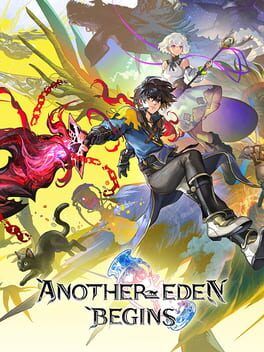

Famitsu’s September 12, 2026 scores put Another Eden Begins at 32/40, giving JRPG fans an early read on its combat, pacing, and release-calendar prospects.
Image: IGDB
Store links: Another Eden Begins on Steam
Famitsu’s first Another Eden Begins verdict lands at 32/40
The latest Famitsu review scores for September 12, 2026 put Another Eden Begins near the top of the week, with all four magazine reviewers giving it an 8 for a combined 32/40. As reported by Nintendo Everything from Famitsu’s weekly review roundup, that makes it one of two games in this batch to hit 32, alongside Mortal Shell 2, which also received 8/8/8/8.
For JRPG fans scanning the late-2026 release calendar, the score is useful because it is the first published critical read on Another Eden Begins in the provided source material. It is also unusually clean as an early signal: four matching 8s suggest broad agreement among Famitsu’s panel rather than one high mark dragging up a mixed spread.
That does not make this a consensus verdict across the wider press. It is one magazine’s review format, filtered through four editors, before a broader wave of platform-specific impressions. But as a first Another Eden Begins review, it gives players something concrete to work with: Famitsu’s reviewers saw a polished, orthodox JRPG with modern battle hooks, while at least one also flagged pacing friction in dialogue and scene transitions.
How the September 12 Famitsu scores compare
Nintendo Everything lists five Famitsu-reviewed games for the week. Another Eden Begins scored 8/8/8/8 for 32/40. Mortal Shell 2 matched that exact 32/40. Super Wooden Rally Edge followed with 7/8/8/7, which totals 30/40. The Artis Impact Famitsu score came in at 8/7/8/6, or 29/40. Battle of Rebels landed at 6/4/5/4, totaling 19/40.
Famitsu’s format matters here because each final score is built from four separate editor scores out of 10, for a maximum of 40. Another Eden Begins did not receive the highest possible mark, and a 32 is not the sort of number that ends all debate. Its significance is steadiness. Every reviewer placed it in the same strong-but-measured range.
That steadiness is the contrast with Artis Impact, another smaller-profile game in the same roundup that still performed respectably but with a wider spread. An 8/7/8/6 suggests at least one Famitsu reviewer was cooler on it than the others. For readers tracking JRPG review scores and adjacent indie discoveries, that spread is often as informative as the total. It hints at where a game may depend more sharply on taste, tolerance, or specific design choices.
The combat praise is the clearest signal for JRPG players
The strongest throughline in Famitsu’s Another Eden Begins verdicts is the battle system. According to the translated reviewer comments published by Nintendo Everything, one reviewer who had not played the smartphone version described it as a classic JRPG time-travel adventure with a modern command battle system. That reviewer specifically pointed to Chain Skills, which automatically activate when certain conditions are met, as a feature that improves combo planning and moment-to-moment excitement.
A second Famitsu reviewer, as translated in the same report, said the combat starts from a classic base but carries strategic depth through Chain Skills and Another Force, a party-wide burst tool used to overwhelm enemies. Aroged’s version of the same Famitsu material similarly emphasizes follow-up attacks, party-wide pressure, and the excitement of the combat system.
That is the part JRPG fans should pay attention to first. The 32/40 does not simply tell us Famitsu liked the game. The comments point to a specific strength: traditional command battles that are being pushed through conditional triggers and party composition. One reviewer highlighted how different party setups create different battle styles, while also noting differences between ancient, modern, and future eras as a source of forward motion. If Another Eden Begins is on your watchlist because you want turn-based structure without sleepy repetition, Famitsu’s text offers the most encouraging evidence so far.
The Chrono Trigger connection is being used carefully, but it sets expectations
The Famitsu comments quoted by Nintendo Everything invoke creators behind titles like Chrono Trigger when describing Another Eden Begins as a time-and-space RPG. Aroged goes further in its coverage, identifying Masato Kato as involved and describing him as a writer connected to Chrono Trigger and Chrono Cross. Those details explain why this first review is drawing attention beyond a normal weekly score roundup.
That connection also raises the pressure on the game. Time travel is a loaded promise in JRPGs. Players are not simply asking whether the story has multiple eras. They are watching for whether those eras change party dynamics, battle identity, pacing, and emotional payoff. Famitsu’s reviewers appear to answer part of that question positively, especially where they discuss ancient, modern, and future settings as meaningful changes rather than background decoration.
Still, the available source material does not provide a full narrative assessment. The quoted Famitsu text praises adventure momentum, era contrast, character design, audiovisual clarity, and emotionally engaging direction, but this is not a spoiler-level story breakdown. The safer reading is that Famitsu found the time-travel structure effective as a JRPG framework. Whether it pays off at the level longtime Chrono-adjacent fans will hope for remains a question for fuller reviews and player impressions.
The pacing caveat may decide whether the score matches your taste
The main criticism in the translated Famitsu verdicts is not aimed at battle complexity or production polish. It is pace. Nintendo Everything’s quoted translation says one reviewer found the dialogue and scene transitions a bit long, with a leisurely pace that could become frustrating.
That caveat sits right beside the praise, which makes it more useful than a vague complaint. Another Eden Begins appears, from Famitsu’s description, to be leaning into an orthodox JRPG shape: scene-setting, party interaction, era-hopping setup, and boss-battle drama. Aroged’s translated excerpt also describes a typical, slightly cheesy atmosphere and emphasizes the buildup around boss battles, including interactions before and after fights.
For some players, that is comfort food. For others, especially players using handheld sessions or bouncing between several September releases, long scene transitions can turn a promising RPG into a stop-start commitment. Famitsu’s score suggests the strengths outweighed that concern for its reviewers, but the comment is a clear buyer’s-guide warning: if you have low patience for extended dialogue flow, wait for longer-form impressions before treating the 32/40 as a personal green light.
Platforms and availability still need clearer official detail
The provided source material supports a few availability facts, but not every practical question a buyer may have. Nintendo Everything filed the Famitsu score story under Switch and Switch 2. Aroged states that Another Eden Begins has a release date for Nintendo Switch, Switch 2, and PC. A Steam listing for Another Eden Begins is also live at Valve’s storefront URL, confirming a Steam page exists for the game.
What the provided Steam scrape does not show is a release date, price, system requirements, supported features, or performance targets. The supplied Famitsu coverage also does not give platform-specific technical impressions. That distinction matters because a JRPG can feel very different depending on load times, font readability, transition speed, handheld clarity, and how quickly battles flow on each platform.
So the practical guidance is simple: the first review gives JRPG fans a positive craft signal, but not a complete purchasing answer. Switch, Switch 2, and PC players should still look for platform-specific coverage, especially if they care about performance, portability, or pricing. The Steam page is worth wishlisting if PC is your default library, while Nintendo players may want to wait for eShop details or hands-on reports closer to launch.
A strong first read, not the final word on the release calendar
As a piece of release-calendar intelligence, Famitsu’s September 2026 batch positions Another Eden Begins well. It ties Mortal Shell 2 at the top of the week’s listed scores, sits ahead of Super Wooden Rally Edge, Artis Impact, and Battle of Rebels, and earns consistent marks from all four editors. For a JRPG trying to cut through a busy field, that is a favorable opening.
The most promising signs are specific rather than numeric: Chain Skills, party-composition variety, Another Force, distinct eras, and polished presentation. The concern is also specific: a leisurely pace with long dialogue and scene transitions. That combination paints a clearer picture than the 32/40 alone.
For now, the Another Eden Begins review from Famitsu should move the game higher on JRPG watchlists, especially for players who enjoy classic command systems with combo-driven wrinkles. It should not end the wait-and-see process. The next questions are platform performance, final pricing, localization feel, and whether the pacing holds over a full playthrough. Famitsu has supplied the first meaningful signal. JRPG fans now have a better idea of what to verify next.