
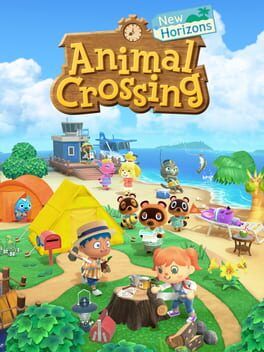
Nintendo’s Animal Crossing: New Horizons Aquarium Tour in Japan and the US turns a cozy life sim into a full‑on lifestyle outing, tying in new 3.0 update features and the Switch 2 Edition with photo ops, activities, and sea‑life education that keep the game culturally relevant six years on.
Nintendo’s latest Animal Crossing: New Horizons Aquarium Tour is not just a brand collaboration. It feels like the natural evolution of a game that has always blurred the line between your screen and your real routine.
In 2020, New Horizons was the place you escaped to. In 2026, the game is asking you to put on real shoes, grab your Joy‑Con case, and go look Kapp’n in the eye at an aquarium.
An island day trip, now with actual sea breeze
The Aquarium Tour quietly answers a question a lot of long‑time players have been asking since the surprise 3.0 update hit and the Nintendo Switch 2 Edition launched: what does everyday Animal Crossing look like six years later?
Nintendo’s answer is to turn a typical family outing into something that feels like visiting your in‑game museum in person. At Sea Life Nagoya in Japan and a run of aquariums across the United States starting February 13, 2026, regular admission now comes with a subtle overlay of New Horizons.
You follow signboards written in Blathers’ educational tone that pair real jellyfish, rays, and reef fish with the same gentle trivia you’d read in the Critterpedia. Standees of villagers and Kapp’n peek out from corners of the exhibits. A Stamp Rally pulls you across tanks and corridors in the same slow, cozy rhythm as the in‑game museum stamp events.
It is still a normal day at the aquarium. The difference is that the soft hum of filter pumps and low voices now share space with kids whisper‑shouting “I just donated this to Blathers last night.”
How the Aquarium Tour ties into the 3.0 update
The timing of the tour is not an accident. The 3.0 update and Switch 2 Edition are all about returning to a familiar island and finding it quietly more layered than you left it. New resort‑style facilities, expanded storage and quality‑of‑life tweaks, refreshed Dream World tools, and other additions deepen the feeling that your island is a place you actually live with.
The Aquarium Tour mirrors that energy in the real world. The Stamp Rally, photo spots, and informational signage essentially recreate three specific slices of the 3.0 experience.
First, there is the renewed focus on collecting. Version 3.0 highlights the Critterpedia and museum experience again, surfacing catch reminders and encouraging players to rediscover sea creatures they may have ignored after filling Blathers’ exhibits. Walking through a real aquarium with in‑universe signage makes every tank feel like a living page from your digital encyclopedia.
Second, the tour leans into the gentle “field trip” mood that the update pushes with its resort and travel features. Kapp’n, who ferries you to mysterious islands in the game, appears as a standee and photo anchor at these venues. Seeing him propped beside real tide pools and touch tanks plays directly into the update’s renewed travel fantasy.
Third, Nintendo framed version 3.0 as a “welcome back” moment meant for lapsed players just as much as for dedicated fans. The Aquarium Tour functions in the same way. You do not need a current save file or a perfect five‑star island to feel included. If you ever played New Horizons at all, spotting Isabelle on a signboard or recognizing a specific fish silhouette is enough to pull you back into that headspace.
Switch 2 Edition and the return of shared rituals
With Animal Crossing: New Horizons now optimized for Nintendo Switch 2, the series has moved out of its launch‑era association with the original Switch and into a broader platform life. That transition could have made the game feel like a legacy title, something you keep installed but rarely talk about.
Instead, Nintendo is using the Aquarium Tour to give Switch 2 players a fresh ritual around a familiar game.
At US and Japanese locations, My Nintendo kiosks and check‑in points turn a casual visit into a meta‑game. Scan your account, earn Platinum Points, and you are rewarded back in the digital space with items and missions that tie into the 3.0 loop. Parents can make a day of it, blending museum‑style learning for kids with the promise of unlocking something back on the island once everyone gets home.
On Switch 2 hardware, returning to New Horizons after a day out feels subtly upgraded. Sharper visuals and improved image quality on the new display make the aquariums back on your island pop in a way they did not in 2020. The textures on coral displays, the shimmer of fish models, and the low‑light ambience inside the museum’s aquatic wing read closer to what you just walked through in real life.
That feedback loop is what makes this collaboration feel lifestyle‑driven rather than promotional. Go to the aquarium, notice a fish you have never paid attention to in game, go home, log in on Switch 2, and suddenly you are scouring your island’s pier for the same species at 9 p.m. real‑world time.
What the aquariums actually feel like on the ground
The day itself starts out like any other trip. In Japan, visitors arrive at Sea Life Nagoya and immediately notice staff in subtle Animal Crossing‑themed uniforms, small stitched icons of leaves and fish tucked onto lapels. In the lobby, a large backdrop turns the classic New Horizons beach loading screen into a physical set. Families queue up to pose with cardboard Tom Nook or Isabelle, the horizon line of the island printed behind them, the blue of a real jellyfish tank glowing off to the side.
Inside the exhibits, the fantasy gets more granular. You might round a corner and find a massive wall graphic of your island’s museum aquarium, carefully aligned so that a real tank lines up with its in‑game counterpart. Nearby, a placard in a Blathers‑inspired voice explains the creature inside, slipping in the same slightly fussy charm that players know from his dialogues. It feels educational, but it also feels like bumping into an old friend’s rambling monologue.
In the US tour, the tone is similar. Birch Aquarium in La Jolla and multiple Sea Life locations around the country are simply layering New Horizons over their existing layouts rather than reshaping them. Stamp Rally stations nudge you to visit wings or tanks you might skip on an ordinary day. Each stamp features a familiar villager or fish icon, and finishing the card becomes a quiet shared quest for couples, friend groups, or kids leading their reluctant parents to “just one more tank.”
Gift shops lean into the lifestyle angle too. You are not buying the game or Switch 2 hardware there. Instead, you find patches, keychains, and soft merch you can work into your everyday wardrobe. A denim jacket with a tiny K.K. Slider guitar patch or a backpack with a discreet fossil icon turns your fandom into a low‑key fashion detail rather than a billboard.
On select days, life tips into full theme‑park energy when costumed Isabelle, K.K. Slider, or Tom Nook appear for meet‑and‑greets. Photo queues take on the anxious, excited buzz of an in‑game visitor rush, with kids planning ahead which emote they would trigger if this were actually on their island plaza.
Japan vs. US: two flavors of the same island fantasy
Sea Life Nagoya approaches the event as an immersive overlay. Staff uniforms, exclusive merchandise, and a dedicated quiz deepen the sense that you have stepped directly into an Animal Crossing side story. The quiz plays out like a real‑world version of fishing and diving challenges. Instead of hauling up sea creatures, you are spotting them, answering questions, and filling out a physical card that tracks your progress.
The US tour, by comparison, feels more modular and road‑trip friendly. Because the exhibits live inside a network of different aquariums, the collaboration becomes something fans can chase across states. Shared branding and familiar standees connect the dots so that a photo taken in Arizona echoes one from Minnesota. The event turns Animal Crossing into a reason to plan a weekend out of town, much like visiting a friend’s island became a reason to coordinate time zones during the original 2020 surge.
In both regions, the core fantasy is the same. New Horizons has always been about gently curating your space. Here, you are invited to curate a real afternoon. You choose your arrival time, decide how slowly to walk through each tank, and pick the perfect moment to snap a photo under Kapp’n’s watchful grin.
Why this kind of crossover still matters six years later
Animal Crossing is at its strongest when it slides into the background of your life. Daily check‑ins, seasonal events, and slow interior projects keep you tethered to your island without demanding your full attention. The Aquarium Tour extends that same philosophy into the physical world.
Instead of a time‑limited in‑game collaboration that pressures you to log in every day or risk missing items, Nintendo is asking you to do something you might plan anyway. An afternoon at an aquarium, a chance to teach kids about sea life, a mellow date. The New Horizons layer is there to make the experience more memorable and to give you stories to carry back into the game.
It also quietly keeps New Horizons in the cultural conversation. In 2020, the game was shorthand for pandemic‑era comfort. By 2026, a lesser live service might have faded into nostalgia. The 3.0 update and Switch 2 Edition already reasserted the game as a living product. The Aquarium Tour goes a step further and makes Animal Crossing a reason to leave the house.
For returning players, that matters. Going back to an old island can be overwhelming. Weeds everywhere, half‑finished projects, villagers you barely remember. Framing New Horizons as part of a day out, rather than a chore list, softens that friction. You are not logging back in because you feel guilty. You are coming home from the aquarium with a head full of fish and a fresh excuse to see what your own museum looks like now.
From island life to everyday lifestyle
Viewed from a distance, the Aquarium Tour looks like another marketing beat to support a big update and a new hardware SKU. Up close, it works more like a lifestyle brand drop. It encourages subtle, ongoing ways to keep Animal Crossing woven into daily habits.
You might plan a weekend drive to one of the US tour stops or add Sea Life Nagoya to a Japan itinerary. You might pin a small patch to a tote, set a new Kapp’n photo as your lockscreen, or check your Critterpedia during a quiet moment at a real tank. Later that night, you might finally download the 3.0 update, migrate your save to Switch 2, and wander back through your own aquarium wing, thinking about how surprisingly similar the lighting feels.
Six years in, Animal Crossing: New Horizons no longer has to prove itself as a hit. What the Aquarium Tour proves is something different. There is still power in a game that can nudge you off the couch, invite you into a softly lit gallery of sea creatures, and remind you that the line between a virtual island and your actual Saturday afternoon can be thinner than it looks.