
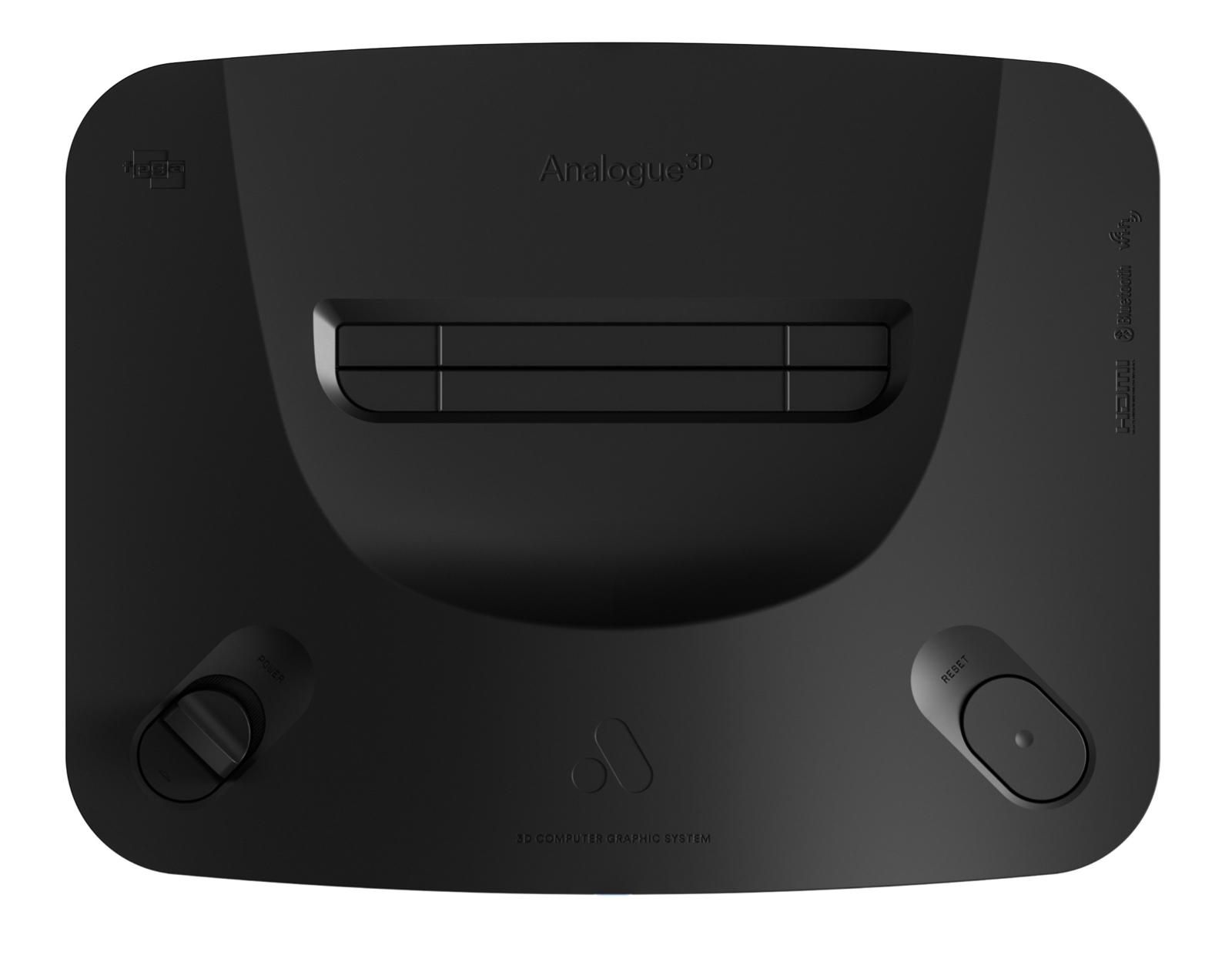

A practical buyer check for Nintendo fans weighing the Analogue 3D against original N64 hardware, modern displays, cartridge collecting, and Nintendo Switch Online.
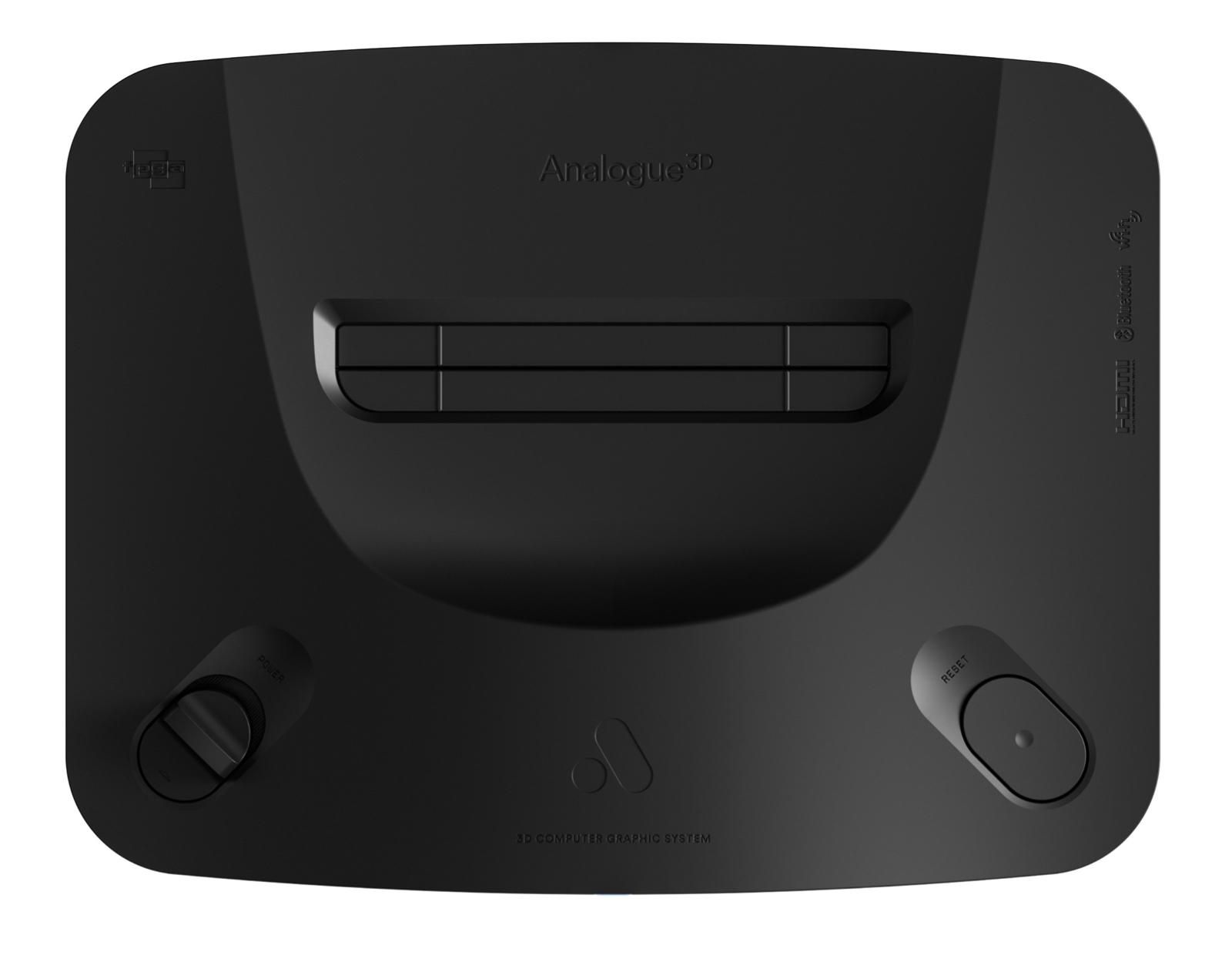
Image: pricecharting.com
The price is the story before the pixels are
Analogue’s FPGA Nintendo 64 machine has moved from curiosity to real buyer dilemma because it now sits in the awkward space between retro preservation and luxury purchase. Nintendo Life notes that the Analogue 3D is currently listed on Analogue’s store at $269.99 plus shipping, while Wikipedia’s public hardware listing records a $249.99 launch price and a $269.99 post-tariff price. That matters for anyone asking whether the Analogue 3D is worth it, because the console does not include a library of games. Its value depends on what you already own, what you are willing to collect, and how badly you want original N64 cartridges to behave cleanly on a modern TV.
The machine’s pitch is unusually specific. The Analogue 3D is described by Analogue and public listings as a reimagining of the Nintendo 64 built around FPGA technology rather than conventional software emulation. Wikipedia’s listing says it plays Nintendo 64 cartridges, outputs over HDMI 2.1 at up to 4K with HDR and VRR support, includes a pre-installed 16 GB microSD card, supports up to four N64 controllers or compatible controllers, and offers dual-band Wi-Fi, Bluetooth 5.0 LE, two USB-A ports, and a full-size SD card slot. Those are the confirmed hardware-side talking points in the provided material, though the usual buyer caution applies: feature lists do not by themselves answer whether a particular living-room setup, cartridge collection, or controller preference will make the purchase feel worthwhile.
That tension is exactly where Nintendo fans are now. Original N64 hardware still has the cartridge authenticity, Nintendo Switch Online offers a subscription route with no cartridge hunt, and HDMI adapters such as the EON Super 64 exist for people who already own an N64. The Analogue 3D asks for a separate hardware purchase on top of all that. Its case is strongest only if the cartridge shelf is part of the appeal.
FPGA is the appeal, but it is also the boundary
The Analogue 3D is being sold into a retro scene that has become fluent in latency, scaling, filters, firmware, and preservation language. FPGA hardware is central to that pitch because it aims to recreate console behavior in hardware logic rather than running games through a general software emulator. Wikipedia’s listing calls the Analogue 3D the first fully FPGA-based recreation of Nintendo 64 hardware, and Nintendo Life frames it as an FPGA-powered N64 clone. Those are useful descriptions, but they should not be mistaken for a blanket guarantee that every buyer will notice the same benefit in every game.
For Nintendo 64 fans, the machine’s biggest practical promise is simple: original cartridges through modern HDMI without leaning on an aging console’s analog video output. That is a cleaner proposition than keeping a PAL or NTSC N64 alive, finding the right display chain, and hoping an adapter gives you an image you like. Nintendo Life’s writer describes owning original PAL and Japanese NTSC N64 consoles, using Nintendo Switch Online, and previously making do with original hardware plus an EON Super 64 before buying an Analogue 3D after hands-on time. That is a telling path. The Analogue 3D is easiest to justify for people who have already tried the cheaper or more convenient options and still feel friction.
The boundary is equally clear. If you do not own cartridges, the console is the start of a more expensive hobby rather than the end of a buying decision. A clean HDMI box does not solve the price of desirable N64 games, the condition lottery of used cartridges, the feel of third-party controllers, or the extra cost of shipping and import fees. Nintendo Life’s piece explicitly frames the purchase as a luxury way to play games the writer could already play in multiple ways. That is the honest heart of the Analogue 3D Nintendo 64 question: this is less about access alone and more about the particular kind of access.
Analogue 3D vs Switch Online is convenience against ownership
The sharpest comparison for many Nintendo fans is Analogue 3D vs Switch Online, because Nintendo’s subscription service removes nearly all of the hardware fuss. Nintendo Life says Switch Online had suited the writer fine alongside original hardware before the Analogue 3D arrived. That is the mainstream case for staying put. You do not need to buy individual cartridges, clean contacts, dedicate shelf space, or worry about whether a specific used copy has been loved, neglected, or stored in a garage for twenty years.
Analogue’s counterargument, at least as represented in Wikipedia’s summary of the product history, is that CEO Christopher Taber claimed software emulation can make games feel improperly aged compared with the company’s hardware approach. That is a company claim, not an independent verdict. Still, it points at a real divide in how people experience old games. N64 games were built around a strange, tactile triangle of analog stick feel, four controller ports, local multiplayer, and CRT-era visual assumptions. When that triangle is translated into a subscription app, some players are satisfied by the convenience. Others notice input feel, image treatment, controller layout, or a sense that the game’s physical ritual has been flattened.
For platformer players especially, the distinction can be surprisingly personal. A game such as Super Mario 64 lives in tiny pressures: how a thumb eases into a turn, how camera taps become muscle memory, how a jump arc feels when the display chain is responsive. The provided sources do not give us fresh game-by-game latency measurements, so this cannot be called a performance ruling. What can be said is that the Analogue 3D’s value proposition is built around reducing the distance between cartridge, controller, and modern display. Switch Online’s value proposition is breadth, availability, and low-friction play inside Nintendo’s current ecosystem.
If you want a legal, simple, low-maintenance way to revisit a rotating official selection, Switch Online remains the easier recommendation based on the information here. If you want to put your own cartridge into a dedicated machine and have that object matter, the Analogue 3D is playing a different game.
Original hardware still wins on price if your setup already works
The cheapest path for an existing collector may still be the least glamorous one: keep the original N64. Nintendo Life’s writer had an original PAL console and a gold NTSC console from Japan, and those machines, combined with Nintendo Switch Online, were enough for a long time. That is the scenario many Nintendo fans should start from before pricing out an Analogue 3D. If your CRT is healthy, your controller ports work, your cartridges boot reliably, and your living space can tolerate the cable sprawl, the Analogue 3D’s improvements may be pleasing rather than necessary.
Modern displays complicate that comfort. The N64’s original video output was built for a different era of televisions, and Nintendo Life specifically mentions the EON Super 64 as one HDMI route for original hardware. The source does not give us a direct comparison test between that adapter and the Analogue 3D, so the safe conclusion is narrower: an adapter can keep original hardware in the chain, while the Analogue 3D replaces the console side with a modern FPGA machine designed around HDMI output from the start.
That replacement has practical appeal. The Analogue 3D has four front controller ports according to Wikipedia’s listing, so it preserves the local multiplayer shape that made the N64 a dorm-room and sleepover machine. Nintendo Life also praises the system’s physical design, noting the smaller footprint, the curved front, and light-up controller ports. Those are aesthetic details, but retro hardware lives or dies partly by whether you want it visible under the TV. The machine is competing with nostalgia as much as with adapters.
The original N64 still has one advantage no clone can improve upon: sunk cost. If the console, cartridges, and controller are already yours, the Analogue 3D has to justify itself through display convenience, reliability, region flexibility as listed publicly, and personal satisfaction. That is a high bar at $269.99 plus shipping.
The cartridge question decides most purchases
The Analogue 3D is a cartridge machine, so the best buyer is already halfway committed before checkout. Wikipedia’s listing says it uses Nintendo 64 Game Paks as media and markets 100 percent N64 library compatibility and region-free play. Those are listing claims, and they are exactly the claims a serious buyer should verify against the games they care about before spending. N64 has odd edges: accessories, regional releases, controller pak habits, rumble expectations, and personal save-file anxieties. A general compatibility statement is reassuring, but the practical question is whether your copy of your favorite game works the way you expect in your setup.
This is where the Analogue 3D review questions become more useful than a simple yes-or-no verdict. Do you own enough cartridges to make the hardware feel alive after the first weekend? Are you buying it for a handful of famous Nintendo releases, or for a deeper shelf of racing games, wrestling games, platformers, party games, imports, and strange licensed experiments? Are your controllers original, restored, or modern replacements? The provided sources confirm support for up to four N64 controllers or compatible controllers, but they do not settle the quality of every controller option a buyer might use.
Nintendo Life’s purchasing logic is revealing because it is emotional and practical at once. The writer describes the N64 as their childhood console, says hands-on time with GoldenEye helped convince them, and points to rising video game prices as part of the push. That is not a universal buying formula, but it is a credible profile: the person who regrets missing earlier Analogue machines, remembers the N64 as a formative system, and already has reasons to believe the purchase will be used regularly.
If you are starting from zero cartridges, the math changes fast. The console price becomes only the entry fee. Collecting can become the main expense, and the Analogue 3D does not make rare or clean copies cheaper.
Competition is arriving, which weakens the fear-of-missing-out argument
One reason retro buyers sometimes move quickly on Analogue hardware is scarcity anxiety. Nintendo Life’s writer mentions seeing the Analogue Nt come and go, then become expensive secondhand, as part of the mental pressure behind buying an Analogue 3D. That fear is understandable in the boutique hardware space, where production windows and resale prices can make hesitation feel costly.
But the Analogue 3D is no longer alone in the conversation. PCMag reports that the ModRetro 64 is another N64-style retro console, priced at $229 or $199 with early bird pricing, and describes it as bringing N64 cartridges to higher-resolution modern play with screen filters. PCMag also says the ModRetro 64 is comparable to the Analogue 3D in many ways based on time with a pre-production model, while noting that a buyer’s choice may come down to update frequency and taste for the translucent 1990s aesthetic. That is not a final market verdict, but it does introduce useful pressure on Analogue’s value.
PCMag’s comparison also gives us a few concrete hardware distinctions. It says the ModRetro 64 uses two USB-C ports and an HDMI port, while the Analogue 3D has two USB-A ports and a normal-sized SD card slot. Those differences are small until they touch your actual setup. If you care about cable standards, storage handling, firmware workflows, or how hardware looks in a room, they can become deciding factors.
This competition does not make the Analogue 3D a bad buy. It makes waiting less irrational for anyone who is curious rather than committed. A second serious N64 clone means buyers can compare update histories, early user reports, controller support, cartridge edge cases, and image options instead of buying purely from fear that there may never be another credible modern N64 cartridge console.
Who should buy now, and who should wait
Based on the sourced information, the Analogue 3D is easiest to recommend to Nintendo 64 owners with a real cartridge library, a modern TV, and a low tolerance for adapter fuss. It is also a strong fit for players who care about the physical ritual of N64 games: choosing a cartridge, using four controller ports, and treating the console as a dedicated living-room machine rather than a menu item inside a subscription app. Nintendo Life’s experience points to exactly that kind of buyer, someone who already had other ways to play but wanted the cleaner dedicated solution enough to pay luxury-hardware money.
It is harder to recommend as a first step into N64. The current $269.99 plus shipping price cited by Nintendo Life does not include the software library that gives the machine purpose. If your goal is casual nostalgia, Nintendo Switch Online is likely the cleaner path because it avoids cartridge costs and hardware uncertainty. If your original N64 still works beautifully in your home, an HDMI adapter or existing display solution may be enough, though the provided sources do not support a direct technical ranking between those options and Analogue’s FPGA box.
The wait case is also reasonable for buyers focused on proof rather than promise. The supplied material points readers toward dedicated technical coverage from outlets such as Time Extension, My Life in Gaming, and Digital Foundry, but the excerpts here do not include their test results. PCMag’s coverage of the ModRetro 64 also suggests the N64 clone space is becoming more competitive. If you are asking about firmware maturity, exact latency behavior, oddball cartridge support, save handling, or specific display modes, those are valid questions to resolve before buying.
So, is the Analogue 3D worth it? For a cartridge-owning Nintendo fan who wants an FPGA N64 console built for modern displays, yes, the case is strong enough to consider now. For a player comparing it against Analogue 3D vs Switch Online on price and convenience alone, the subscription route remains the easier answer. The Analogue 3D is for the person who wants their N64 shelf to become playable in 2026 without pretending the old hardware era never ended.