
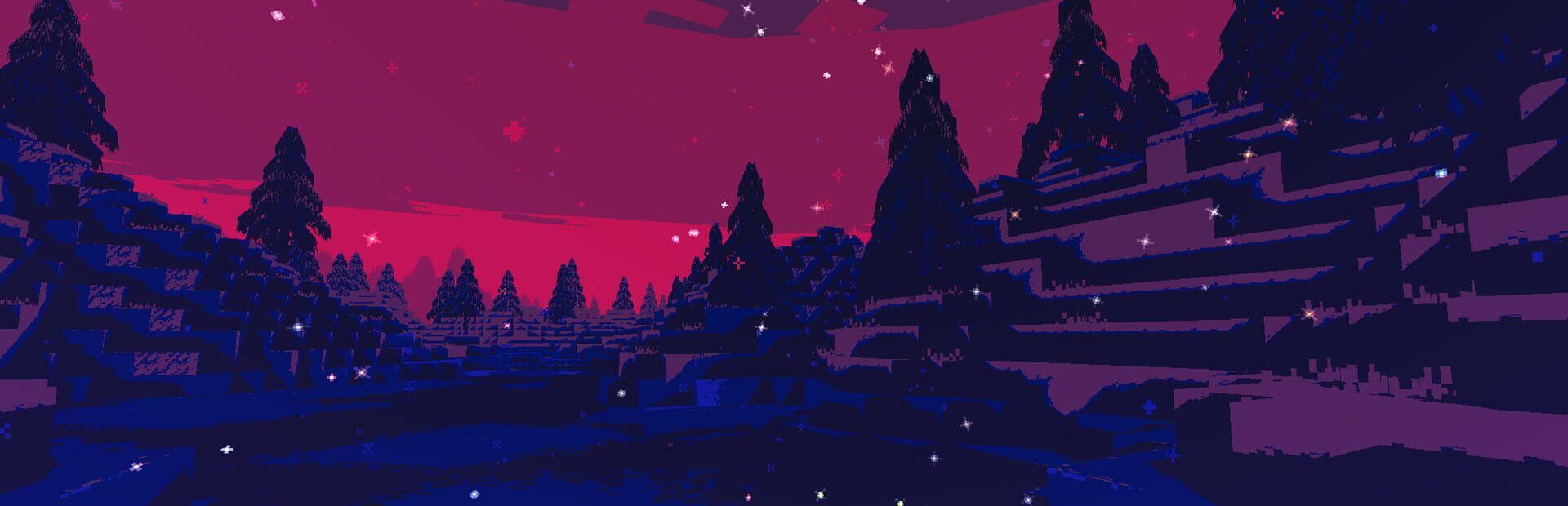

A focused look at Allumeria’s Minecraft-related DMCA scare, how it knocked the game off Steam, Mojang’s reported intervention, and what the incident reveals about platform policy and discoverability for small indie projects.
Allumeria was supposed to be having a normal pre‑Next Fest week. Instead, the solo indie project briefly became the center of a copyright scare that showed how fragile a small game’s visibility on Steam can be.
In early February 2025, Allumeria, a colorful voxel survival sandbox inspired by games like Minecraft and Terraria, abruptly disappeared from Steam. The cause was a DMCA takedown request that Valve said had been filed “on behalf of Microsoft Corporation,” targeting the game’s store page.
The notice focused on Allumeria’s screenshots. In the material shown to the developer, the claimant presented a side‑by‑side comparison: a forest scene from Minecraft next to a forest scene from Allumeria. Both were blocky worlds with grassy terrain and trees, but there were no obvious shared assets, branding, or UI. Despite that, Steam removed the game while it processed the complaint.
The impact was immediate. Allumeria’s store page, demo, and wishlisting funnel were inaccessible. For a solo developer about to go into Steam Next Fest, that meant losing their main discovery surface at a critical moment. The developer, known online as Unomelon, publicly described not knowing what to do next and scrambling to understand why a game that did not use Minecraft assets had been treated as an infringing title.
Within hours, the story spread across social media and the PC gaming press. Other developers working on Minecraft‑style or voxel projects voiced concern that a vague similarity claim was enough to knock a game off Steam, even temporarily. A lawyer stepped in publicly offering to help with a DMCA counter‑notice. That counter‑notice was never needed.
Mojang’s chief creative officer, Jens Bergensten, responded on social media that he was investigating the situation. Around the same time, players and press began pointing at Tracer, a brand protection service that lists Mojang as a client and uses AI‑assisted scanning to flag potential infringements for human review. Articles were careful to note that it was not confirmed whether Tracer was directly involved in this specific claim, only that the pattern looked similar to automated brand enforcement.
Roughly a day after the takedown, Microsoft fully withdrew the DMCA request. Valve restored Allumeria’s Steam page and demo without requiring a formal counter‑notice from the developer. Allumeria regained its slot in Steam’s upcoming survival and crafting catalogs and remained on track for Next Fest.
From the outside, it looked like Mojang’s internal review and community pressure helped unwind a weak claim quickly. From the inside, for a solo creator, that 24‑hour window was a shock. Unomelon later described the process as “guilty until proven innocent,” saying the experience showed how little protection a small developer has if a rights holder, or a contractor acting on their behalf, makes an overbroad complaint.
The Allumeria incident is a narrow but useful case study in how the DMCA process intersecting with platform policy can threaten discoverability long before any legal questions are meaningfully tested. Steam, like most major platforms, reacts conservatively to copyright notices. When it receives a facially valid DMCA claim, the default response is to pull or hide content while the parties resolve the dispute or move into the counter‑notice stage.
For big publishers with multiple marketing beats, pulling a page for a day might be a minor inconvenience. For a tiny game that relies on upcoming tabs, festival participation, and a small but active wishlist base, being offline even briefly can mean losing momentum, search rank, and player trust. In Allumeria’s case, the removal happened just as players were beginning to discover its demo. Valve’s backend systems do not distinguish between “obviously mistaken” and “serious” notices at the initial stage, so the practical outcome is the same: the page disappears first, questions are asked later.
This matters because the DMCA process shifts the burden of action onto the recipient. If Allumeria’s developer had not quickly attracted coverage, legal help, and Mojang’s attention, the realistic path forward would have been to file a counter‑notice and wait through the standard window where the original claimant can decide whether to escalate. During that time, the game might have remained inaccessible on Steam, with wishlists and organic traffic quietly decaying.
The episode also highlights the growing role of automated or semi‑automated brand enforcement in games. Large IP holders increasingly lean on services that scan storefronts for “similar” content and hand potential matches to human reviewers. That can help catch genuine asset theft, but when the bar for action is low, stylistic similarity can be treated as infringement. For small developers who work in popular genres like voxel sandboxes, cozy farming, or retro platforming, that creates a pressure point where their art direction alone can invite scrutiny even if no protected assets are used.
What prevented Allumeria from suffering long‑term damage was not the design of the process but the speed of the reversal. Mojang’s leadership publicly acknowledging the situation, Microsoft backing away from the claim, and Valve reinstating the page quickly turned a potentially devastating platform issue into a tense but temporary scare. The game’s demo returned, its Next Fest plans survived, and the surrounding conversation turned into a broader industry discussion about how easily a single notice can disrupt a small studio’s pipeline.
For indie developers, the Allumeria case underlines a few practical realities about platform policy and visibility. First, if your game operates near a massive IP, platform trust is not just about not infringing but about being able to explain how your work is distinct when a claim arrives. Second, a community that can amplify your situation can materially change how quickly a platform or rights holder revisits a questionable takedown. And third, even when a claim is withdrawn, there is rarely a built‑in mechanism to compensate for lost time or lost surface area; developers simply have to absorb the hit and move forward.
Allumeria is back on Steam and continues development, but its brief disappearance exposed how tightly DMCA workflows, automated enforcement, and storefront policy are intertwined for small games. It showed that for a solo developer, the biggest risk is not a final legal judgment. It is the days or weeks when your game quietly does not exist on the store at all.