
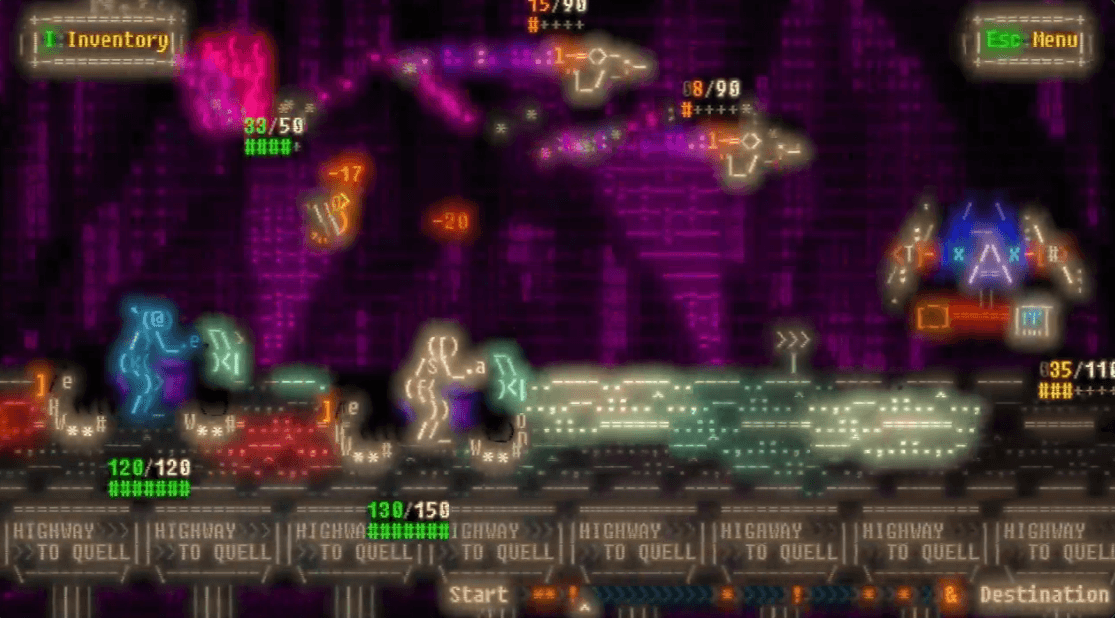
Viral Claude Opus game mods are flooding X, but modders say the AI generated game clips raise serious problems around credit, consent, legality, and quality.
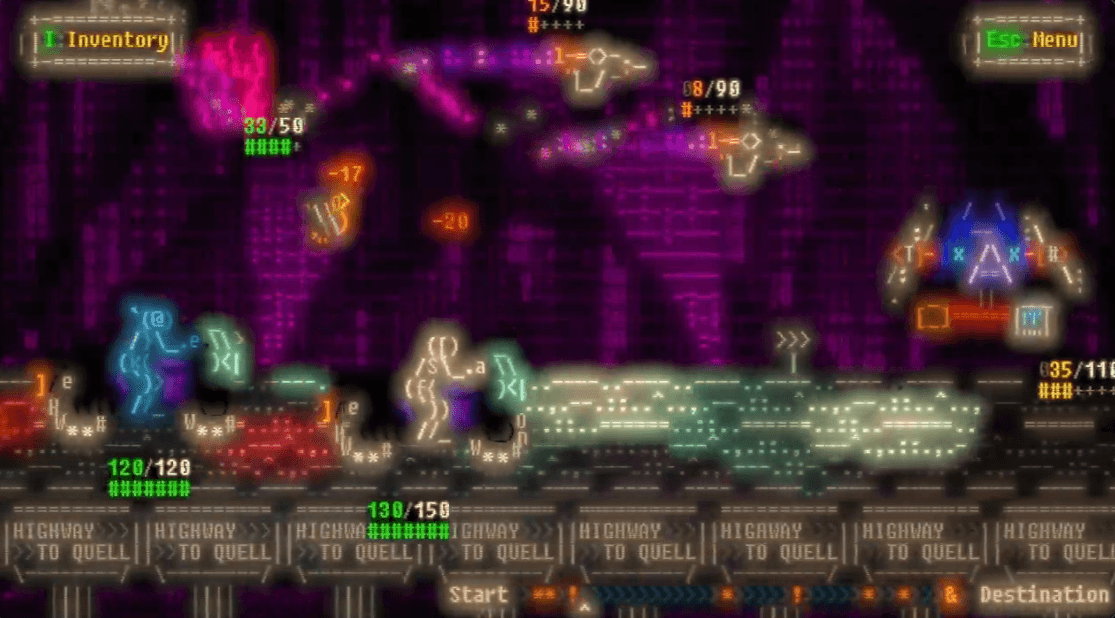
Image: creativebloq.com
Viral AI mashups have turned modding into a policy fight
AI game mashup videos have surged across X in the past week, with clips showing combinations such as Minecraft in Elden Ring, Escape from Tarkov in Skyrim, Skate 3 in Call of Duty: Modern Warfare 2, Portal in Call of Duty: Zombies, and Super Mario 64 in Dark Souls. Video Games Chronicle reports that the trend involves users decompiling two games with Claude Opus 5.5, running both at the same time, and using a mod layer to pull elements from one game over another so the result looks like a full crossover.
The immediate tension is that many viewers are reacting to the clips as wild technical spectacle, while experienced modders are warning that the spectacle may be built on weak technical foundations, unlicensed assets, and a broken incentive loop. Eurogamer describes the backlash as coming from long-time mod makers, including some who say they already use generative AI in their own workflows but reject this wave of “vibe-coded” mashups as low-effort and potentially corrosive to modding culture.
That distinction matters. The dispute is not simply about whether AI can help build mods. The sharper argument is about whether a social-media clip, assembled from decompiled commercial games and optimized for virality, should be treated the same way as a playable, maintainable fan project. On that point, the sources point to a widening gap between what the clips appear to show and what modding communities usually require before calling something a real release.
The clips look like crossovers, but reports disagree on how integrated they really are
VGC’s technical description is more cautious than the clips themselves. According to the outlet, the effect appears to be an elaborate green-screen-style trick rather than a true merger of two game worlds. Characters from one game are not actually inside the other game, VGC reports, but are placed on top of it while actions in each game can seemingly be synchronized. Its example is firing a bow in Minecraft so Steve appears to fire a bow in Elden Ring.
IGN frames the trend around decompilation and AI agents. Its report says users are pointing Claude Opus 5.5 at compiled games, letting the model help break them down, then using that work to connect one game’s code or behavior with another. Eurogamer likewise attributes the boom to Claude Opus 5.5’s cheaper tokens and improved code generation, which it says made it easier to point the model at a game, decompile it, and add something else.
Those descriptions are compatible in broad terms, but they imply different levels of accomplishment. A synchronized overlay is closer to a clever passthrough presentation. A deeply integrated mod would require systems, assets, controls, physics, enemy behavior, collision, UI, and progression to interact coherently. Ground News summarizes the state of the trend more skeptically, noting that most of the mashups remain unverified and unavailable for download. For players trying to judge these AI generated game clips, that is the key practical limit: a viral clip is not proof of a stable mod, a distributable build, or a complete crossover.
Modders are angry because the incentive meta has shifted toward spectacle
The modders AI backlash is coming from people who understand the grind behind fan projects. Eurogamer quotes modder kran27_ saying, “I mod games and I'm not shy about the fact that I use AI to do it. I hate this bullshit 'trend'. Pure slop, there's nothing creative about this at all.” The same report quotes the modder criticizing the clips that get attention as “jingling keys bullshit.”
Another modder, identified by Eurogamer as discountmodder, said: “If this becomes the permanent state of modding, this may be my last project. I don't wanna be involved in an AI slop-factory.” VGC separately reports that Kingdom Hearts modder Discount Mods posted on X that they were tempted to stop making mods entirely if the community fills with low-quality AI mods.
The strategic problem is easy to see. Traditional modding communities reward persistence: compatibility updates, install instructions, bug reports, permissions, asset credits, documentation, and years of stewardship. Viral AI mashups reward a different build order. Get two recognizable brands on screen, post the clip while the trend is hot, and let novelty do the rest. If attention becomes the main currency, creators who do slower, permission-conscious work risk being outcompeted by videos that may never become playable public releases.
That does not mean every AI-assisted mod is being rejected. Eurogamer’s quoted example shows the opposite: some modders use AI and still object to this specific trend. The line being drawn is between assistance and substitution, between using tools to support craft and using decompiled work from others to generate a shareable illusion of craft.
Credit and consent are the hardest problems, because these projects borrow from everyone
The legal and ethical concerns center on code, art, audio, animation, characters, and brands. EverythingEdinburgh reports that the trend relies on users pointing Claude Opus 5.5 at compiled games, letting the AI agent break them down into source code, then grafting portions of one game into another. The same outlet says the obvious issue is that these mashups are built from code and assets created by developers who did not give permission for that use.
Nexus Mods is the clearest policy reference in the available reporting. Eurogamer cites Nexus’s 2023 policy on AI-generated content, which says: “In order to prevent any issues with your mods, we encourage you to avoid using these tools unless you have explicit permission to use all the assets.” Eurogamer reports that none of the current mashups have appeared on modding platforms such as Nexus Mods, and says IGN suggested that rights issues are a likely reason.
That creates a credit problem that cannot be fixed with a caption. If a clip combines Minecraft, Elden Ring, Skyrim, Tarkov, Call of Duty, Spider-Man, or Batman Arkham material, crediting the uploader does not answer whether Mojang, FromSoftware, Bethesda, Battlestate Games, Activision, Insomniac, Sony, Warner Bros., or other rights holders approved the use of code, assets, or mechanics. The reports do not say those rights holders have responded, and there is no sourced indication that the mashup creators have permission.
Consent is also broader than legal risk. Modding has long relied on informal norms around borrowing, remixing, attribution, and permission inside fan communities. AI changes the scale of copying and the speed of output. A single user with an AI agent can generate a flood of Claude Opus game mods faster than communities can evaluate who made what, which assets are included, whether another modder’s work was scraped or reused, and whether a download is safe.
Quality concerns are not theoretical, even in AI coding demos
Several reports point out that the technology can produce impressive-looking fragments while still failing at the basics of game design. IGN cites a YouTube video from Brendan Jowett comparing Claude Opus 5.5 with OpenAI’s Astra 6 model. According to IGN, both models struggled with fundamentals, including a space fighter that flew diagonally while shooting straight ahead and enemies that ignored the player.
Eurogamer repeats those examples and says the results are inconsistent at best. That matters because a mod is not judged only by whether a clip can make Spider-Man swing through Gotham or make Tarkov weapons appear in Skyrim. A playable project has to survive the boring turns: collisions, damage states, inventory logic, save stability, input conflicts, camera behavior, audio triggers, animation blending, and performance under repeat use.
This is where the strategy layer resembles a balance patch gone wrong. A tool can lower the cost of experimentation, which is good for prototyping. But if it also lowers the perceived cost of accountability, the ecosystem can be flooded with builds that no one understands well enough to maintain. VGC notes a concern among critics that AI-generated code may take shortcuts that create problems later, while the people using the tools may not understand the generated code.
For players, the practical guidance is simple: treat these clips as demonstrations until a reputable platform hosts a download, permissions are explained, and other users can verify that the mod works. Ground News reports that most remain unverified and unavailable for download. The absence of public builds is not a small footnote. It is the difference between a mod scene and a video trend.
Even the examples show how fast the story is outrunning verification
The list of circulating clips is already messy. VGC lists examples including Minecraft in Elden Ring, Skate 3 in Call of Duty: Modern Warfare 2, Escape from Tarkov in Skyrim, Spider-Man as an Escape from Tarkov character in Skyrim, Portal in Call of Duty: Zombies, Super Mario 64 in Dark Souls, and Spider-Man in Batman: Arkham Knight. IGN and Eurogamer both describe a Spider-Man and Batman crossover, but identify the Batman setting as Arkham City rather than Arkham Knight.
That platform-by-platform, clip-by-clip ambiguity is part of the problem. These videos are spreading through X posts, quote posts, reposts, and short descriptions, not through formal release pages with version notes. A conventional mod page usually gives players a name, author, supported game version, dependencies, install steps, permissions, changelog, and comments. The AI mashup clips often offer a far thinner record.
EverythingEdinburgh also reports that a “universal-modder” plugin has emerged promising to let “Claude Code mod almost any PC game you own,” including reconnaissance, reverse engineering, art and audio generation, in-game testing, and showcase video creation. That claim should be treated as a reported listing or promise, not as proof that the tool can reliably produce finished mods across the PC catalog.
The strongest confirmed fact is narrower: multiple outlets report that clips of AI-assisted mashups are spreading rapidly on X, and modders are pushing back. What remains unconfirmed in the supplied reporting is whether most of these mashups are playable by anyone besides their creators, whether they can be legally distributed, whether the underlying work is stable, and whether major rights holders or hosting platforms will intervene.
The next fight is over hosting, norms, and who gets rewarded
The future of this trend depends less on whether people keep posting odd clips and more on whether distribution platforms allow the work to leave social media. Eurogamer reports that the mashups have not appeared on Nexus Mods yet. Nexus’s 2023 AI policy, as quoted by Eurogamer, advises creators to avoid AI tools unless they have explicit permission to use all assets. If these projects rely on decompiled commercial games and unlicensed material, that guidance leaves little room for normal hosting.
That makes the likely near-term split clear. Social platforms can reward novelty with views. Mod platforms have to manage takedowns, malware risk, creator disputes, and community standards. If the mashups stay as clips, the backlash may remain cultural: modders objecting to slop, players arguing about whether the spectacle is fun, and AI boosters pointing to technical possibility. If downloadable builds appear, the dispute becomes operational and legal very quickly.
There is also a positive path, but it requires restraint. AI could help modders automate tedious scripting, prototype mechanics, test ideas, or document code they understand. The backlash documented by VGC, Eurogamer, and IGN is not a blanket rejection of tools. It is a warning about a collapsed production pipeline where consent, credit, maintainability, and playability are treated as optional because the clip already got the clicks.
For now, players should be skeptical of any AI game mashup videos presented as finished mods without a public download, rights explanation, and community verification. Modders should expect more pressure to document how their projects were made and what assets they use. Platforms will have to decide whether AI-assisted decompilation projects are compatible with their rules. The meta has shifted, but the winning strategy for a healthy mod scene is still the old one: clear permissions, playable builds, visible authorship, and work that survives after the feed moves on.