
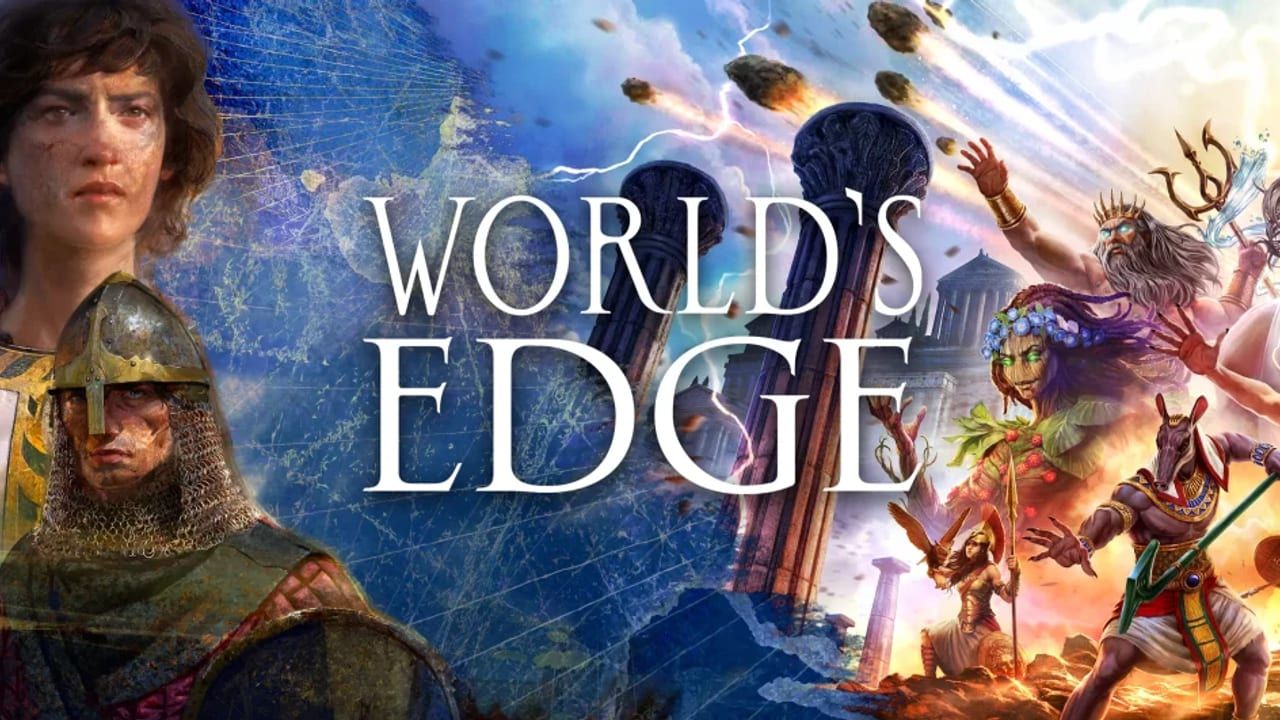
World's Edge has reportedly lost nearly half its staff as Microsoft moves the Age of Empires studio under Activision and cancels its next project. Here is what is confirmed, what is still unclear, and what it could mean for ongoing support.
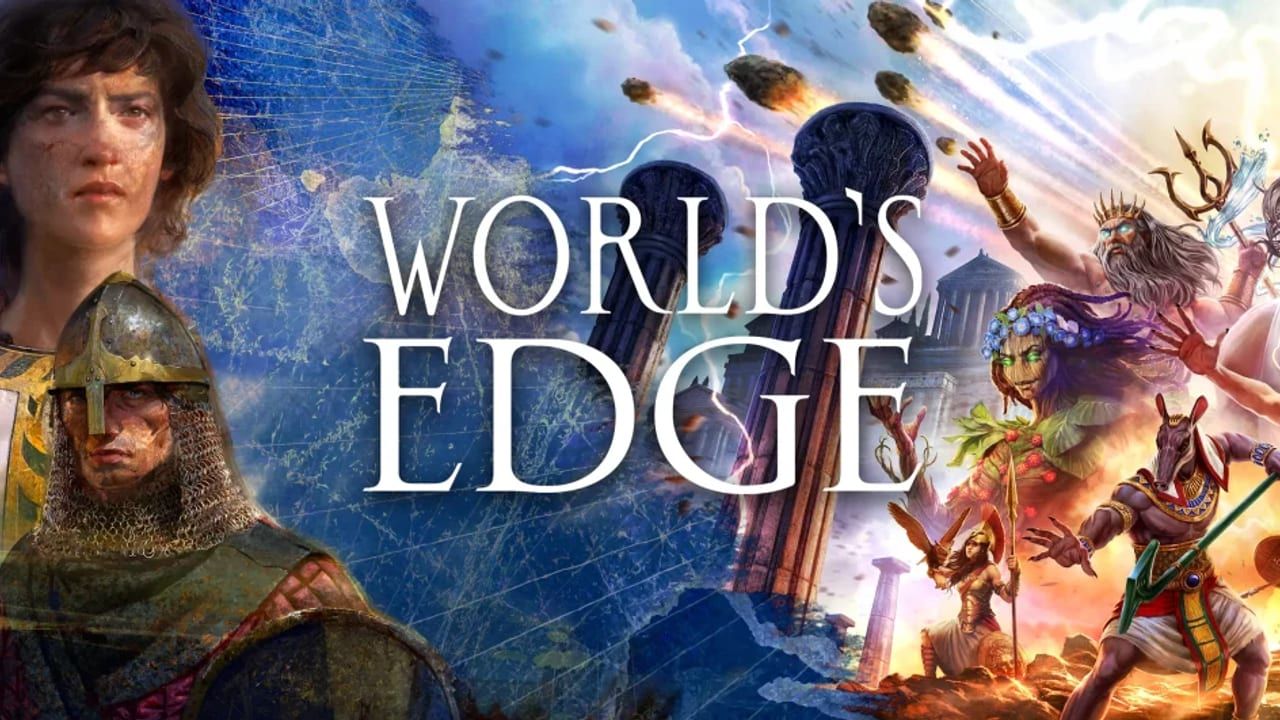
Image: kantan.news
World's Edge loses staff as its next project is cancelled
World's Edge, the Microsoft studio created to steward Age of Empires, has reportedly lost nearly half its staff during the latest round of Xbox studio cuts, while its next project has been cancelled as the team is moved under Activision.
That is the concrete center of the story. IGN reported that World's Edge was affected by Microsoft's latest 268 Xbox job cuts, part of a wider restructuring that also moved the studio into Activision. Polygon and Push Square also reported the same broad picture, citing posts from former World's Edge employees. Andrew Martz, a former senior software engineer at the studio, wrote on LinkedIn that World's Edge was reorganized under Activision and that, as part of that reorganization, “our next project was cancelled and a large chunk of our studio was laid off.”
Former studio creative director Adam Isgreen also posted that his time with World's Edge and Age had ended along with many teammates, adding that the studio had “some great plans for what's next,” according to IGN. Another former employee, lead principal software engineer Greg Snook, wrote that he was cut loose from Microsoft and that his last day with building access fell on his 25-year hire anniversary, IGN reported.
The immediate tension is obvious for strategy fans. World's Edge was not a conventional single-game development studio. It functioned as the central command layer for one of Microsoft's oldest PC franchises, coordinating Age of Empires work across external partners. Cutting that layer while cancelling an unannounced project raises a different kind of risk than cancelling a standalone game. It affects not only a future release, but the operating model behind the series.
The cancelled game is confirmed, but Age of Empires 5 is not
The most important distinction is between what former employees have said and what outside interpretation has filled in.
The confirmed point, based on Martz's LinkedIn post as quoted by IGN, Polygon, Push Square, and Kotaku, is that World's Edge's “next project” was cancelled. Microsoft has not announced the title of that project in the supplied reporting. No source material includes an official Microsoft statement identifying it as Age of Empires 5.
Several outlets connect the cancellation to Age of Empires because World's Edge was founded to oversee the franchise. Polygon wrote that the cancelled title was probably a new game in the franchise, or perhaps a spinoff like Age of Mythology. Push Square described it as an unannounced project “thought to be Age of Empires 5.” Kotaku was more cautious, saying the layoffs may have killed a brand-new Age of Empires game, while noting that this does not definitely prove the cancelled project was a new Age of Empires entry.
That caution matters. In RTS terms, this is the difference between scouting a stable and seeing the knight flood. The cancelled project is real, according to a former employee. Its identity remains unannounced. The safest read is that an Age-related project is the leading inference because World's Edge's remit has been Age of Empires, but the public record does not support treating Age of Empires 5 as a confirmed cancellation.
World's Edge was the franchise brain, not the whole army
The layoffs are especially consequential because of how World's Edge was designed. Polygon reported that Xbox Game Studios established World's Edge in 2019 to manage the Age of Empires series, working with outside development partners including Relic Entertainment, Forgotten Empires, and Tantalus Media on remakes and sequels. IGN similarly noted that World's Edge oversaw the real-time strategy franchise while relying on external developers, with Relic Entertainment serving as the primary developer on Age of Empires IV.
Kotaku's reporting adds useful context from an earlier interview with World's Edge executive producer Earnest Yuen, who described the studio as a team built to manage the Age of Empires franchise, comparing its role to a Marvel-style studio model. Kotaku also reported that World's Edge coordinated multiple studios on Age projects, with as many as eight studios working on a game at a time.
That makes the World's Edge layoffs different from a simple headcount reduction at a content factory. Age of Empires has recently depended on coordination: remasters, console versions, live updates, expansions, partner studios, and platform strategy all moving in parallel. A smaller World's Edge can still oversee work if Microsoft and Activision keep funding external partners, but it may have less capacity for long-range planning, design arbitration, production oversight, and quality control across several games at once.
For a strategy series, those functions are not cosmetic. Balance changes, DLC scope, console interface decisions, ranked map pools, campaign direction, localization, community messaging, and partner alignment all draw from the same limited pool of leadership and production bandwidth. If that pool has been cut by close to half, as IGN and Polygon report from former staff posts, the likely pressure point is not whether servers vanish overnight. It is whether the series can keep multiple fronts active without thinning out its command structure.
Existing Age of Empires support is not cancelled by this reporting
Players should be careful not to turn this story into a claim the sources do not make. None of the supplied reports says Age of Empires II: Definitive Edition, Age of Empires IV: Anniversary Edition, or Age of Mythology: Retold is being shut down. Push Square specifically notes that World's Edge has released Age of Empires II: Definitive Edition, Age of Empires IV: Anniversary Edition, and Age of Mythology: Retold on PS5, and it points to a new Vikings DLC for Age of Empires II on PS5 earlier in the week as an example of current support.
The practical implication is narrower, but still serious. Existing products remain available based on the reporting, and ongoing support may continue through the partner-studio model that has defined modern Age of Empires. Forgotten Empires, Relic, Tantalus, and other collaborators have been central to the series' recent output, according to Polygon and IGN. If Microsoft keeps those pipelines intact, patches and expansions could still ship.
The concern is the ceiling. Live-service strategy support is an economy of attention. Each patch has opportunity cost. Every civ balance pass, console UI improvement, campaign fix, multiplayer exploit response, or expansion feature competes for leadership review and production time. With World's Edge reportedly smaller and its next project cancelled, the safer expectation is a more conservative Age roadmap until Microsoft or Activision says otherwise.
That does not mean players should stop buying current Age releases if they already want them. The reports do not support panic over immediate delisting, server closure, or abandoned DLC already on sale. It does mean anyone waiting for a newly announced mainline sequel should reset expectations. The public evidence points to existing-game support as the more plausible near-term focus, not a freshly revealed Age of Empires 5.
The Activision handoff fits Microsoft's new structure, but the genre fit is awkward
Microsoft's restructuring is broader than World's Edge. IGN reported that the 268 Xbox cuts are part of a projected 3,200 job losses across the current financial year. Polygon reported that an earlier July wave involved 1,600 employees, followed by more layoffs and studio changes. In the same restructuring environment, Polygon reported that Activision inherited World's Edge, Halo shifted to Activision, and Bethesda Softworks was given control of Obsidian Entertainment.
For Microsoft, the pattern appears to be consolidation around larger publishing umbrellas and established franchises. Polygon wrote that Xbox leadership has indicated a franchise-driven approach, with teams focusing on existing series over new intellectual property. The uncomfortable part is that World's Edge already fit that description. It existed to maintain and expand Age of Empires, a legacy Microsoft franchise with a long PC history and recent console expansion.
That is where the Activision move invites scrutiny. Activision's modern identity inside Xbox is tied heavily to large-scale annualized or recurring franchises, above all Call of Duty. Age of Empires is a very different business. RTS games live on long-tail PC communities, mod ecosystems, balance literacy, expansion cadence, and trust from players who notice when a villager gather-rate tweak changes an entire opening build. The franchise can be valuable without looking like a blockbuster shooter machine.
Push Square's editor also questioned the organizational fit, arguing that World's Edge might have seemed more natural under Blizzard than Activision. That is commentary, not a confirmed internal Microsoft rationale, but the question is reasonable. Blizzard has its own RTS heritage through Warcraft and StarCraft. Activision's relevance is less obvious from the outside, unless the goal is operational consolidation rather than genre alignment.
The risk for Age of Empires is not that Activision cannot publish a strategy game. The risk is that the series becomes a smaller asset inside an organization optimized for different production rhythms and revenue expectations. If Microsoft's new structure rewards the biggest tentpole returns, Age must compete for resources in a portfolio where its strengths are durable, specialized, and community-dependent.
The future of World's Edge now depends on mandate, not nostalgia
The unanswered question is what World's Edge is after this restructuring. Before the cuts, its role was legible: steward Age of Empires across partners, remasters, sequels, and platform expansion. After losing a reported near-half of its staff and an unannounced project, the studio's future depends on whether Microsoft and Activision still want a dedicated Age strategy group or a leaner maintenance-and-coordination unit.
There are three reasonable readings, and only one part is confirmed. Confirmed: World's Edge was moved under Activision, staff were laid off, and its next project was cancelled, according to former employees cited by IGN, Polygon, Push Square, and Kotaku. Plausible interpretation: near-term work may tilt toward supporting existing releases, because those games already have audiences, console ports, DLC hooks, and external development partners. Unconfirmed: that Age of Empires 5 was the cancelled project, that any current Age game is ending support, or that Microsoft has abandoned the franchise.
For players, the next signals to watch are practical ones. Look for official patch cadence on Age of Empires II: Definitive Edition, Age of Empires IV: Anniversary Edition, and Age of Mythology: Retold. Watch whether announced DLC continues to arrive on time across PC, Xbox, and PlayStation. Pay attention to whether World's Edge leaders appear in future Age streams, patch notes, or roadmap posts, and whether Activision communicates any new publishing structure for the franchise.
Age of Empires has survived because it occupies a lane Microsoft rarely fills elsewhere: deep historical strategy with a loyal PC base and a growing console footprint. The World's Edge layoffs do not erase that audience. They do, however, remove experienced people from the layer that turned that audience into a coordinated modern franchise. In strategy terms, Microsoft has kept the town center, but it has pulled villagers off long-term economy. Whether Age can boom again depends on what resources Activision assigns next.