
A recap of Awesome Games Done Quick 2026 that celebrates its finale Pokémon Emerald run, the wild 70‑player Super Mario 64 Replay relay, surprising new marathon debuts, and how AGDQ keeps shaping challenge‑run culture and charity events across the industry.
Awesome Games Done Quick 2026 will be remembered less for the final donation tally and more for how it stretched the idea of what a speedrun marathon can look like. The week in Pittsburgh felt like a crossroads where old‑school glitch fests, impossibly polished relay races, and experimental challenge formats all shared the same couch.
The Prevent Cancer Foundation still walked away with more than $2.44 million, putting AGDQ 2026 right alongside recent years. But the show’s heartbeat was in the runs themselves, from a chaotic Pokémon Emerald finale to one of the most ambitious Mario 64 experiments ever attempted on stage.
A Pokémon Emerald finale that turned routing into improv theater
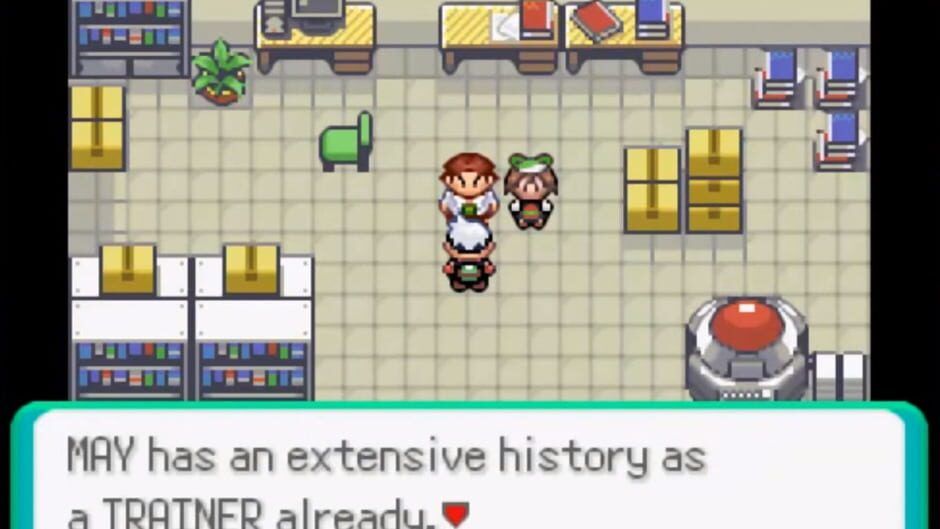
AGDQ finales are always designed to keep donations rolling, but this year’s Pokémon Emerald run went well beyond the usual incentive checklist. Runner adef took the familiar Hoenn journey and turned it into a live‑edited route where the crowd literally decided what his main Pokémon would be.
Donation incentives periodically triggered swaps, forcing adef to pivot his strategy on the fly. That meant fast menuing and optimized XP routes had to coexist with wildly suboptimal party choices. Emerald’s well‑mapped any% run is normally about strict planning, but this showcase leaned into the game’s flexibility. Watching a seasoned runner rebuild damage calculations mid‑run, often with the couch doing mental math out loud, turned the finale into a kind of collaborative puzzle between runner and chat.
The run was also a showcase of how mature GBA Pokémon speedrunning has become. Manipulated encounters, efficient bike movement, and tight execution on gym splits were all on display even as the route kept mutating under donation pressure. Veteran viewers got to see how much Emerald tech has evolved since its early GDQ appearances, while newer fans could follow along thanks to excellent commentary that kept explaining why each swap mattered.
Even a mid‑run fire alarm evacuation could not derail the energy. The temporary interruption could have killed the pacing, yet when the stream came back the donations spiked harder than before. It demonstrated how resilient both runners and audience have become at treating live‑event chaos as just another variable to route around.
Super Mario 64 Replay’s 70‑player relay turned one Star into a spotlight
If Emerald’s finale showed how a single runner can improvise under pressure, the Super Mario 64 Replay relay did the opposite: it split one of the most studied games in speedrunning history across 70 different players and asked them to perform a perfectly choreographed chain of micro‑runs.
Super Mario 64 has always been a GDQ staple, but the Replay ROM hack reframed its classic 70‑Star route as a kind of baton relay. Each runner took responsibility for a single Star, tagged in for less than a minute in many cases, then passed the controller down the line.
The effect was unexpectedly emotional. Instead of watching one top runner blitz through the route, viewers got a curated tour of the community itself. Veterans flexed on historically tricky movement, newer runners handled more contained objectives, and the handoffs became mini spotlights for niche tech. Small mistakes were met with encouragement from the couch rather than groans, underscoring the collaborative spirit that underpins most speedrun scenes.
From a technical perspective, it highlighted how deep Mario 64’s toolbox has become. We saw advanced movement like fast wall kicks, optimized triple jumps, and clever camera control condensed into tiny vignettes. Because each runner only had to master their single Star, the marathon could push the technical ceiling without overloading any one person.
More broadly, the relay showed a path for other communities that want to be part of GDQ without relying solely on one superstar runner. It would not be surprising to see future marathons experiment with similar multi‑runner formats in games like Celeste, Sonic Mania, or even open‑world titles where objectives can be neatly partitioned.
New games, new categories, and a snapshot of where speedrunning is headed
AGDQ 2026’s schedule told its own story about where the hobby is heading. The event’s list of debuts balanced brand‑new releases with long‑awaited follow‑ups, and it leaned heavily on categories that blur the line between traditional speedruns, challenge runs, and showcases.
Hollow Knight: Silksong, Elden Ring Nightreign, and Clair Obscur: Expedition 33 all made their marathon debuts, each immediately staking a claim as future mainstays. Their runs leaned into high‑execution combat and aggressive damage routing, showing how modern action games are increasingly designed with speed tech in mind. Boss positioning, stagger manipulation, and resource‑tight routing kept the audience locked in even if they had never touched the games themselves.
Pokémon Legends: Z‑A and Silent Hill f represented another side of the schedule. Their categories were still evolving, and both runs carried a sense of discovery rather than pure optimization. The commentary was less about shaving seconds off known routes and more about exposing the seams in newly released code. Watching runners quickly reset to fish for favorable RNG or exploit early out‑of‑bounds tricks gave the week the feel of a live research lab.
Even familiar names arrived in unfamiliar forms. Final Fantasy Tactics: The Ivalice Chronicles tightened a notoriously sprawling strategy RPG into a digestible showcase, demonstrating how community work on manipulation and AI abuse can compress a 60‑hour campaign into a single sitting. Sonic Racing: CrossWorlds and Donkey Kong Bananza brought in more arcade‑style energy and reminded viewers that shorter, high‑octane runs still have a vital place on a schedule dominated by huge RPGs and roguelikes.
And of course, the Awful Games Done Quick block remained a highlight. By pairing games like Skull Island: Rise of Kong and That’s a Cow with skilled runners, the block acted as a commentary on game design itself. Watching experts weaponize janky physics, broken hit detection, and sloppy level layouts into tools for speed underscored a core GDQ message: with enough knowledge and patience, even the worst games can become playgrounds.
How AGDQ keeps reshaping challenge‑run culture
Across its lineup, AGDQ 2026 continued a trend that has been building for years. Speedruns are no longer just about fastest‑known times. They are vehicles for challenge‑run culture in a broader sense, and the marathon has become one of the main stages where new ideas get tested.
The Pokémon Emerald finale was a perfect example of incentive‑driven routing, a style that has spread to community races and smaller marathons. By letting donations dictate restrictions, runners turn strict categories into living, reactive challenges. Viewers get a direct hand in shaping the run, and runners are encouraged to show not just their mechanical skill but also their problem‑solving under weird constraints.
Similarly, the 70‑player Mario 64 relay highlighted how collaborative and educational speedrunning has become. Relays and co‑op runs are increasingly used to train new runners, share tech, and build communities around smaller games. Seeing that structure succeed on the biggest stage in the scene will almost certainly encourage other events to try multi‑runner experiments of their own.
There was also a visible push toward unconventional categories. Glitchless, low% and challenge‑restricted runs rubbed shoulders with glitched any% sprints and bizarre incentive showcases. The message was clear: the value of a marathon run is measured in how entertaining and informative it is, not just in how close it lands to a world record. That perspective has already filtered down into community races, weekly leagues, and even how individual runners frame their stream content.
A blueprint for charity events across the industry
AGDQ’s influence now extends well beyond the speedrunning niche. By 2026, its structure has become a kind of reference design for charity events across the industry, from publisher‑backed showcases to grassroots marathons.
One of the biggest trends solidified this year was platform flexibility. Streaming simultaneously on Twitch and YouTube lowered the friction for casual viewers and made the event feel less dependent on any single platform’s tools or algorithms. That approach has started to inform how other charity events structure their broadcasts, prioritizing accessibility and reach over exclusivity.
The incentives, bid wars, and themed blocks also continued to show their staying power. Publishers and indies alike have taken notice of how effectively AGDQ turns niche games into headline moments through clever scheduling and community‑driven goals. You can see echoes of this structure in seasonal charity drives, sponsored challenge events, and even some official in‑game events that now borrow the language of incentive milestones.
Just as importantly, AGDQ 2026 reinforced the idea that authenticity is its strongest asset. The week was full of technical hitches, goofy incentives, heartfelt couch stories, and the occasional awkward silence. None of that was polished away, and that unfiltered feel is exactly what keeps people donating and returning year after year.
Looking ahead from an especially experimental year
When the final total for AGDQ 2026 locked in at just over $2.44 million, it felt less like a finish line and more like a checkpoint. The numbers matter because they translate directly into research and support, but within the marathon itself the story of the week was about experimentation.
A Pokémon Emerald run turned into live‑routed improv under donation fire. A 70‑player Mario 64 experiment reframed a classic speedrun as a communal performance. New games arrived with half‑finished routes and wild new tech, while old favorites found fresh life in weird categories and challenge‑run twists.
As other events study what worked at AGDQ 2026, expect to see more marathons leaning into collaborative formats, incentive‑shaped routing, and category variety. The week in Pittsburgh suggested that the next evolution of speedrunning will not just be about going faster. It will be about giving more people a way to be part of the run, whether they are holding the controller, sitting on the couch, or typing a donation message that changes everything on screen.