
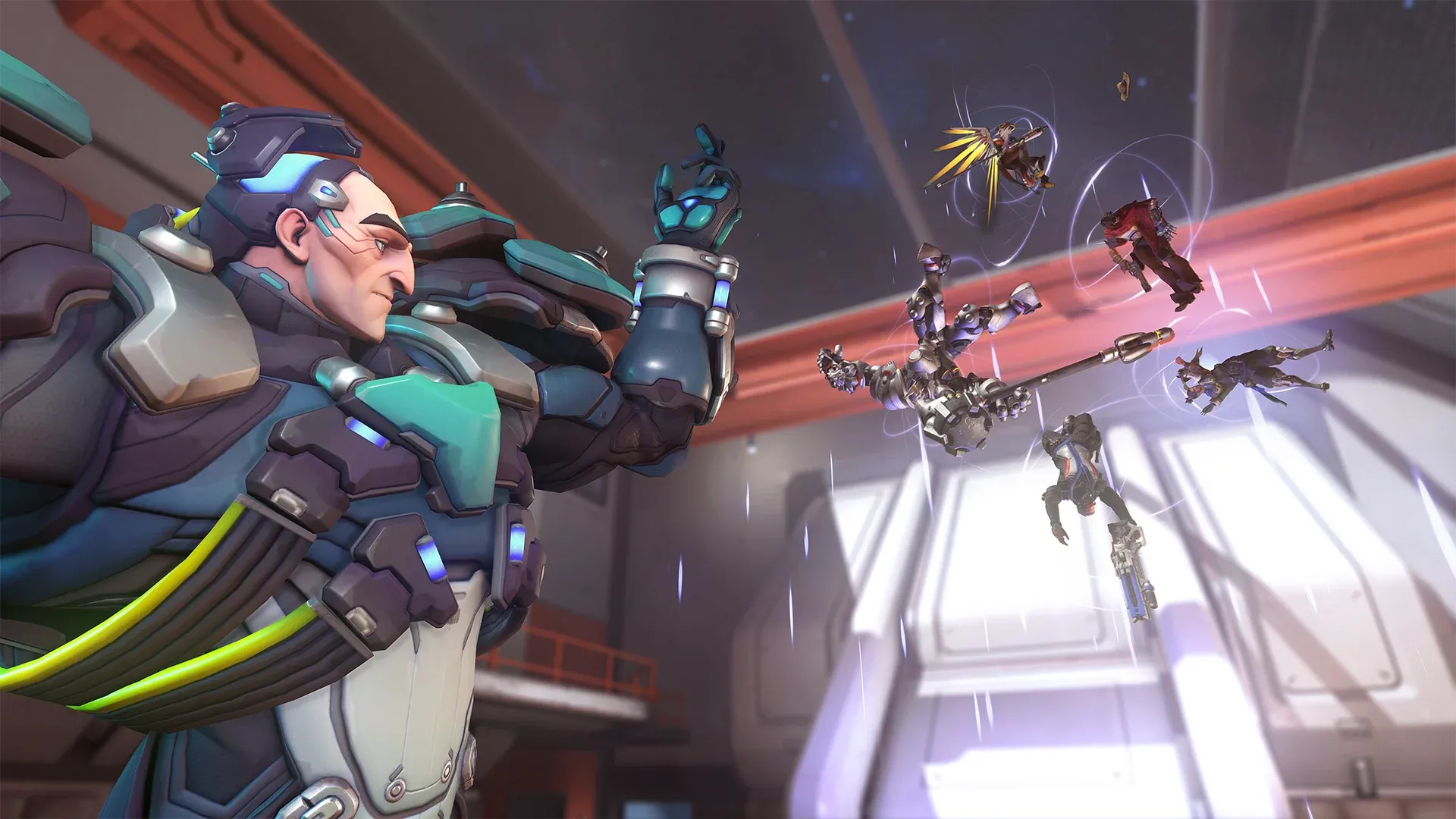
Senior composer Adam Burgess is leaving Blizzard after more than 11 years, closing a chapter that fans will recognize across Overwatch, World of Warcraft, and Diablo.
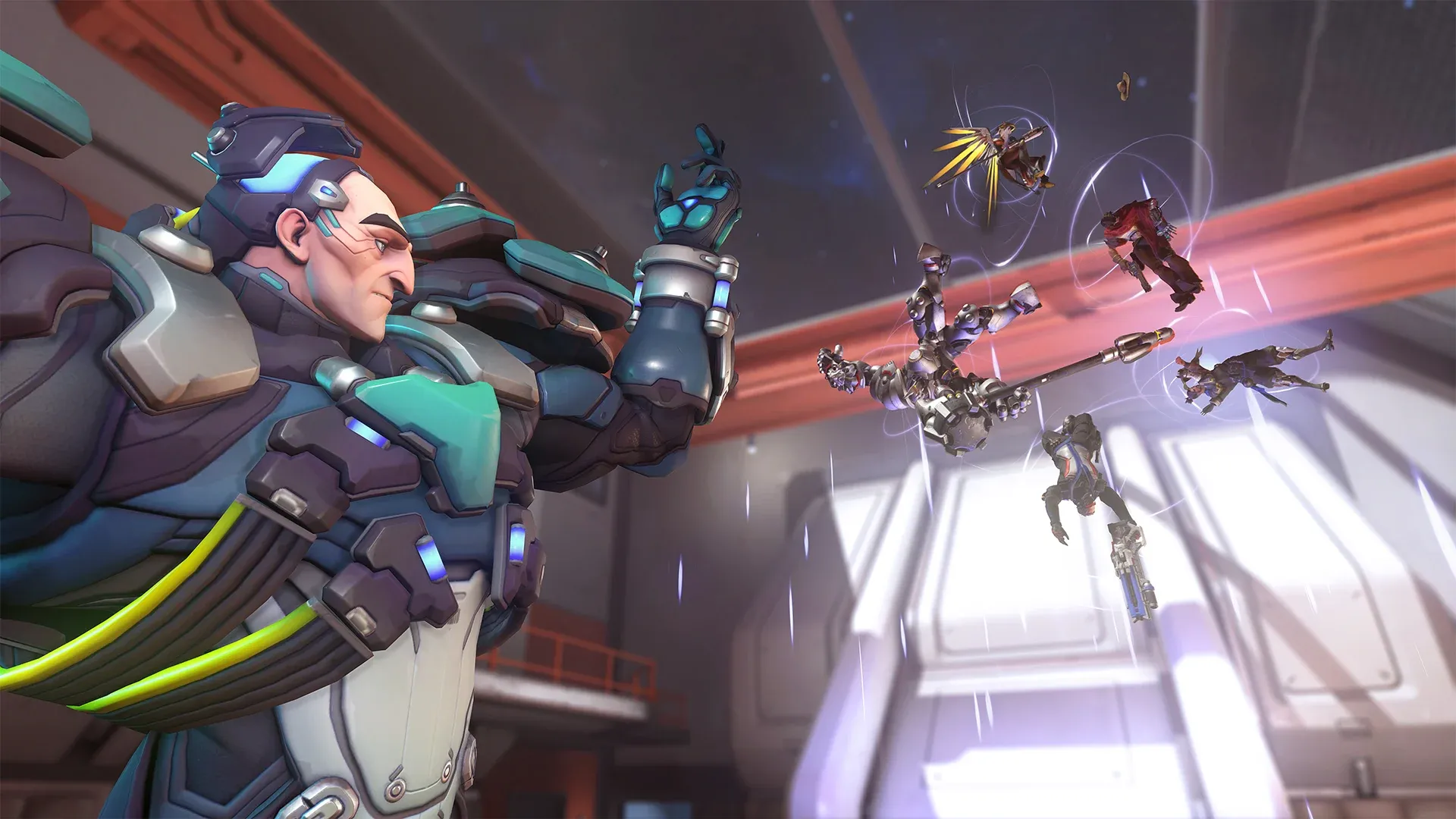
Image: gamemusic.net
Adam Burgess is leaving Blizzard after more than 11 years
Adam Burgess, a senior composer associated with Overwatch, World of Warcraft, and Diablo, has announced his departure from Blizzard Entertainment after more than 11 years at the studio, according to reports from Wowhead, MassivelyOP, and DualShockers. DualShockers says Burgess made the announcement on social media, described his Blizzard tenure as creatively fulfilling, and said it was an honor to contribute to some of the company’s biggest and most recognizable franchises.
The immediate tension is that this is a Blizzard music departure tied to live games that are still actively expanding. Burgess is not leaving behind a closed catalog. Wowhead specifically credits him on World of Warcraft: Midnight music and Overwatch 2 tracks, while DualShockers points to work across Overwatch 2, Diablo 4, and World of Warcraft. Burgess also said, according to DualShockers, that he is ready to try something new and that a new opportunity had found him. That new role is expected to begin in September, but the reports do not identify the employer or project.
The Overwatch pieces fans are most likely to recognize
For Overwatch fans, Burgess’ work sits in the part of the game that often does strategic worldbuilding before a player has even selected a hero. Wowhead says he worked on Overwatch 2’s Midtown and a track it identifies as “Zero Hero,” along with other pieces. DualShockers, meanwhile, names the Overwatch 2 announcement cinematic track as “Zero Hour,” describing it as a dramatic piece tied to the sequel’s reveal.
That naming discrepancy is worth keeping visible rather than smoothing over. The source material provided contains both “Zero Hero” from Wowhead and “Zero Hour” from DualShockers. What is confirmed across the reporting is Burgess’ association with Overwatch 2 music, including Midtown and music connected to major sequel-era presentation. DualShockers also credits him with Overwatch 2 hero themes and map soundtracks, naming Paraiso, Busan, and Oasis as examples of locations whose audio identity relied on culturally specific musical motifs.
That matters for how Overwatch communicates information. Blizzard’s shooter depends on fast reads: map identity, hero identity, tempo, and emotional stakes all need to be understood quickly. Music and audio do part of that work. A map theme is not balance data, but it shapes the player’s memory of a space, especially in a game where competitive repetition can turn locations into routines. If a player hears Midtown, Busan, or Oasis and immediately recalls the feel of a match, that is part of the long tail of Burgess’ contribution.
World of Warcraft credits point to the current expansion pipeline
The World of Warcraft side of the story is especially notable because Wowhead ties Burgess directly to World of Warcraft: Midnight’s soundtrack. The site lists his work on “Aln’hara,” “A New Dawn,” “What Must Be Dawn,” “The Lady of Shadow,” and “Origin of All.” Wowhead also says he composed the score for “Immolation,” featured in the Arator Cinematic: Immolation.
DualShockers similarly identifies Midnight as one of his recent Blizzard projects and says he developed the title theme and key area themes including “Aln’hara” and “A New Dawn.” The same report also points back to “The War Within,” describing it as a 16-minute orchestral epic in Burgess’ catalog.
For World of Warcraft, the timing is the important practical detail. The reporting does not say Burgess’ departure will alter Midnight’s release plans, patch cadence, soundtrack availability, or future music rollout. It only establishes that he worked on Midnight music and is now leaving Blizzard. For players, that means the correct conclusion is narrow: tracks already credited to Burgess remain part of the current WoW musical identity, while Blizzard has not announced how future expansion or patch scoring responsibilities will be handled after his exit.
Diablo shows the range behind the Blizzard credit
Burgess’ Blizzard work was not confined to bright hero shooter themes or sweeping MMO zones. DualShockers says he contributed to Diablo 4 and, more specifically, to Vessel of Hatred. The report says his work for that expansion moved into darker, more gothic arrangements and names Nahantu, the expansion’s jungle region, as an area where he led the development of tracks.
That range is the useful way to understand the Adam Burgess Blizzard story. Overwatch, World of Warcraft, and Diablo ask for different musical solutions. Overwatch needs immediate character and location clarity. World of Warcraft needs long-form environmental identity that can survive hours of questing, dungeon runs, and repeat visits. Diablo needs atmosphere that supports dread, density, and combat pressure. The sources do not provide a full discography, but the cited credits show a composer moving between Blizzard’s three major pillars rather than staying inside one franchise lane.
From a long-term strategy perspective, that is valuable institutional knowledge. Live-service games are not only maintained through encounter design, class tuning, monetization, and seasonal systems. They also rely on a consistent presentation layer that tells players a game still feels like itself after years of updates. Burgess’ departure removes one credited contributor from that layer, even if Blizzard’s broader audio teams remain in place.
Blizzard’s live-game momentum makes the exit feel larger
The departure arrives during a period when Blizzard’s core franchises are being discussed as having rebuilt momentum. Wccftech, citing comments from Bloomberg’s Jason Schreier, reported in July 2026 that Blizzard had improved the position of Overwatch, Warcraft, and Diablo, while also noting uncertainty around Xbox layoffs. Wccftech framed additional Xbox cuts as a rumor with a 90 percent “Highly Likely” assessment, so that part should be treated as reported industry uncertainty rather than a confirmed Blizzard staffing action.
The confirmed Burgess news is separate from that layoff context. The provided reports say Burgess is leaving for a new opportunity and do not connect his exit to Microsoft, Xbox, cuts, restructuring, or cancellation decisions. Still, the surrounding business context explains why fans are likely to read personnel changes closely. Blizzard is managing large, long-lived games at the same time it is operating inside a broader Xbox structure that has faced repeated scrutiny over staffing and project stability.
For players, the distinction is important. A named composer leaving is a real creative change, but it is not evidence by itself that Overwatch 2, World of Warcraft, or Diablo 4 are losing support. The available sources do not report delayed content, reduced audio budgets, or changes to Blizzard’s published game plans. The open question is succession: who carries forward the sound of these games after a composer with recent credits on Midnight, Overwatch 2, and Vessel of Hatred moves on?
How to follow Burgess’ Blizzard legacy without overreading the news
There are a few grounded ways for fans to trace Burgess’ work. Wowhead points readers to public Spotify playlists titled Adam Burgess WoW Favorites and Adam Burgess Overwatch 2 Favorites, as well as his Spotify artist page. It also names specific World of Warcraft: Midnight and Overwatch 2 pieces connected to him, including “Aln’hara,” “A New Dawn,” “Immolation,” and Midtown.
The safest reading is that Blizzard is losing a senior composer whose work helped define recognizable pieces of its modern sound, especially across Overwatch and World of Warcraft. The reports do not establish that he was the sole architect of those games’ music, and Blizzard’s credits have always involved teams, collaborators, orchestration, implementation, audio design, and production support. But his listed contributions are visible enough that players who follow Blizzard soundtracks will have heard his work even if they did not know the name attached to it.
There is no announced consumer action tied to this story. No release date, platform, price, upgrade path, or soundtrack purchase has changed in the provided sources. If you play Overwatch 2, World of Warcraft, or Diablo 4, the practical guidance is to separate nostalgia from confirmed impact. Burgess’ exit closes an 11-year chapter in Blizzard music, but the next measurable signal will come from future credits, future soundtrack releases, and how Blizzard’s audio teams handle the next wave of maps, cinematics, expansions, and seasonal content.