
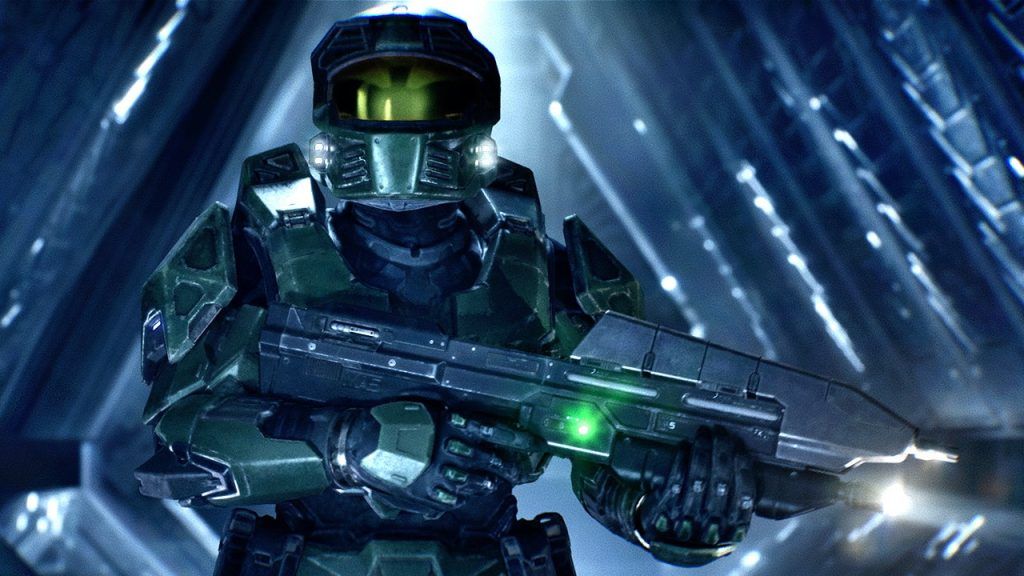

A new Activision Halo game rumor claims Sledgehammer prototyped campaign and multiplayer concepts before the project was announced. Here is what is confirmed, what is not, and why a reboot would be a sharp turn for Xbox's flagship shooter.
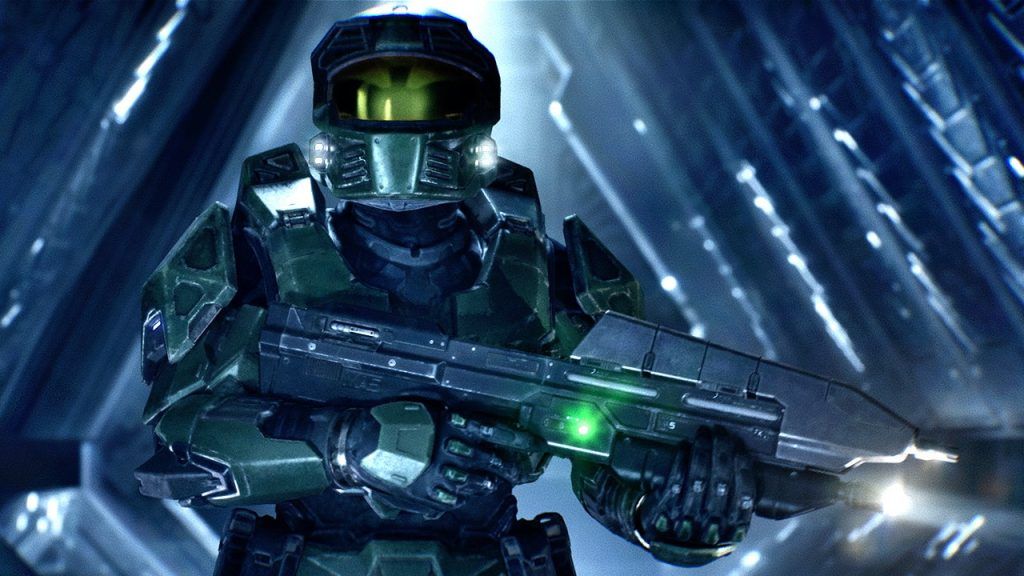
Image: einerd.com
Activision's Halo handoff is confirmed, but the reboot talk is still a rumor
The firm ground in this story is that Microsoft has handed the next Halo game to Activision. According to Tbreak's summary of Microsoft's September 22 statement, Activision is developing the next Halo title with a new team separate from ongoing Call of Duty work, while a smaller group at Halo Studios will continue supporting existing Halo games and their communities.
The unstable part is everything around the shape of that game. A new report from Halo and Xbox insider Rebs Gaming, summarized by GamingBolt, Eurogamer, GameSpot, Gameranx, and Tbreak, claims Activision teams had already explored Halo concepts before the public confirmation. The report says those early concepts included prototypes for two separate products, then shifted toward a single full Halo package, with Activision now reportedly considering a full reboot centered on Master Chief's origin story.
That distinction matters because Microsoft has not announced the next game's title, release window, platforms, story premise, price, engine, or lead studio. The Activision Halo game rumor is still second-hand reporting about early development. It sits on top of a confirmed business change, but it is not yet a confirmed creative direction.
The reported prototypes started as two separate Halo games
Rebs Gaming's account, as quoted by GamingBolt and Eurogamer, says Activision originally proposed two Halo projects: a free-to-play multiplayer game and a campaign-only game. According to the report, Sledgehammer Games conceptualized and prototyped basic gameplay mechanics for both ideas, including player movement.
That is the most important development in the rumor because it points to Activision testing Halo as a split product before landing on something closer to the series' traditional structure. Eurogamer and GameSpot both report Rebs' claim that these prototypes were built in the Infinity Ward engine, the technology family associated with modern Call of Duty. Tbreak adds the necessary caution: using that engine for prototypes does not confirm the final game will use it.
If accurate, the early split makes business sense for Activision. Call of Duty has years of experience separating premium campaigns, annual multiplayer releases, and free-to-play Warzone-style ecosystems. Halo, though, has different expectations. Its identity is built around campaign spectacle, arena control, sandbox weapons, vehicles, co-op memories, and multiplayer map flow feeding into one broader brand. Splitting campaign and multiplayer would have been a statement about treating Halo less like a classic Xbox pillar and more like a modern service portfolio.
Soft reboot reportedly gave way to full reboot discussions
The reported campaign pitch was not always a full reset. Eurogamer quotes Rebs Gaming saying Activision's original campaign-only prototype was a soft reboot that did not follow Halo Infinite's story but also did not retcon previously established canon. GamingBolt reports the same general shape: the pitch would skip Halo Infinite's events while keeping older Halo canon intact.
That version would have been a familiar maneuver for post-Bungie Halo. The series has already made sharp narrative turns between main entries, and GameSpot notes that 343 Industries-era Halo often leaned on novels, comics, and spin-off material to carry major context. GameSpot cites Halo 4's Forerunner history and Halo 5's Blue Team as examples of story material that could feel dependent on outside reading, while later games moved away from or abruptly sidelined major villains.
The newer claim goes further. Rebs Gaming's source reportedly says Activision discarded the separate campaign and multiplayer ideas in favor of a full Halo game, and that the company is now considering a full reboot focused on Master Chief's origin story. Gameranx quotes Rebs as saying it is too early to know for sure because nothing is set in stone. That caution should be attached to every version of this report. A Halo reboot prototype is not the same thing as a locked campaign script.
A full reboot would be a major swing for Xbox's flagship shooter
A full reboot would change the stakes of the project far beyond continuity management. Halo has been Xbox's signature shooter since Halo: Combat Evolved launched in 2001, and Master Chief is still the face most associated with Microsoft's console identity. Rebooting that foundation under Activision would signal a willingness to rebuild the series for a different audience and a different shooter market.
From a competitive FPS angle, the creative risk is obvious. Halo's gunfeel is not Call of Duty's gunfeel. Halo is about longer time-to-kill, readable shields, map control, power weapon timing, grenades, melee ranges, vehicle lanes, and movement that has to feel strong without erasing the importance of positioning. A reboot cannot simply put Master Chief into faster military-shooter pacing and expect Halo players to follow.
That is where the reported focus on movement prototypes becomes interesting. Movement is the first place a new Halo will either feel legitimate or feel off. Sprint, clamber, slide behavior, strafe acceleration, jump arcs, aim assist, controller tuning, and shield break readability all shape the skill gap before a player even picks up a battle rifle. If Sledgehammer or an Activision-built Halo team is leading this, the challenge is to modernize without flattening the arena rhythm that makes Halo distinct.
Sledgehammer's reported role raises engine and identity questions
Sledgehammer Games is named repeatedly in the reports, but its role is not confirmed by Microsoft. GamingBolt says Rebs believes Sledgehammer had already made a prototype showing gameplay mechanics for both proposed projects. Eurogamer reports the broader ownership team may be built within Sledgehammer Games. GameSpot similarly says it is believed the studio will lead development.
The studio's history gives the rumor weight, but also sharpens the questions. Sledgehammer has worked on Call of Duty entries including WWII, Vanguard, and 2023's Modern Warfare 3, according to GamingBolt. That background means the team understands large-scale shooter production, live multiplayer expectations, weapon tuning pipelines, and high-pressure launch windows. It does not automatically mean it understands Halo's specific pace, sandbox, campaign encounter design, or competitive map language.
The engine question is just as unsettled. Eurogamer says the prototypes reportedly used the Infinity Ward engine and notes that Halo: Campaign Evolved uses Unreal Engine 5. Tbreak stresses that Microsoft's statement said nothing about the engine. For players, the final tech choice will matter because Halo has to support clean input response, stable netcode, readable effects, big campaign spaces, and split-second multiplayer feedback. A beautiful shooter that feels muddy on strafe duels or trade windows will not survive serious Halo scrutiny.
Halo Infinite's shadow explains the appeal of a clean start
The reported reboot discussion is easier to understand against Halo Infinite's position in the series. The sources do not provide sales numbers or player counts, but they do frame Activision's possible reboot as a way to move away from Infinite's story rather than continue it directly. GameSpot reports Rebs Gaming saying a direct Halo Infinite sequel is unlikely if the current direction holds, while Tbreak correctly notes that this is not confirmed by Microsoft.
A soft reboot would let Activision avoid picking up every thread from Infinite while keeping older canon in place. A full reboot would go further, potentially letting the new team reintroduce the Covenant era, the Spartan program, Cortana, and Master Chief's early identity on its own terms. Eurogamer notes that outside the novels, the closest mainstream screen version of a Master Chief origin story was the divisive Paramount Halo TV series, which was canceled after two seasons.
That creates both an opportunity and a trap. An origin story could give new players a clean entry point, especially if Activision wants to reach the massive audience it already serves through Call of Duty. It could also alienate long-time fans if it rewrites too aggressively, overexplains Master Chief, or treats Halo's military sci-fi tone like brand material to be rearranged at will. Halo can survive a new starting line. It cannot afford another identity crisis.
What players can safely assume right now
For now, the practical answer is simple: do not treat the Xbox Halo reboot as announced. Microsoft has confirmed Activision's involvement in the next Halo and a new team separate from Call of Duty work, according to Tbreak's summary of the September 22 statement. Activision president Rob Kostich has said the company's goal is to make the greatest Halo game ever, according to GamingBolt. Everything else in this latest wave, including a Sledgehammer Halo rumor, the Infinity Ward engine prototypes, the abandoned two-project plan, and a Master Chief origin reboot, remains reported but unconfirmed.
There is no release date, no platform list, no pricing information, no preorder page, and no official gameplay. Players waiting for the next mainline Halo should watch for three concrete confirmations: who is leading development, what engine the final game uses, and whether Microsoft describes it as a sequel, soft reboot, or full reboot.
Until then, this rumor is best read as a signal of direction rather than a promise of content. Activision appears, through these reports, to be testing how much of Halo should be preserved and how much should be rebuilt. For a franchise built on precision, map control, and one of gaming's most recognizable heroes, that decision will define whether the next Halo feels like a comeback or a reset button pressed too hard.