
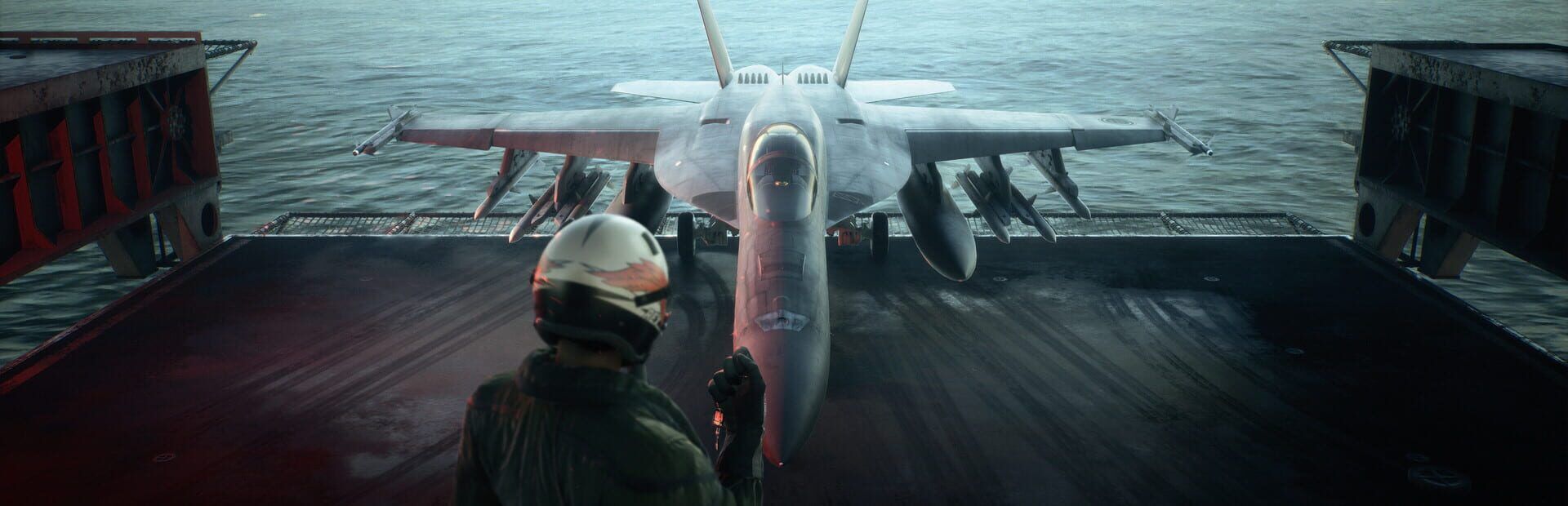

Bandai Namco’s Ace Combat 8: Wings of Theve finally lifts the curtain on the series’ next generation, with a first person story focus, a new theater of war, and a technical leap built for PS5, Xbox Series X|S, and PC.
After seven years in holding pattern, Ace Combat is finally cleared for takeoff again. Bandai Namco and Project Aces have announced Ace Combat 8: Wings of Theve for PlayStation 5, Xbox Series X|S, and PC, targeting a 2026 launch that marks the first mainline entry since 2019’s Skies Unknown.
The reveal trailer wastes no time reminding fans what this series does best. Vapor trails carve the sky as missiles scream past the cockpit, but there is a new element woven between the dogfights. The camera cuts into grounded, first person scenes that follow the pilot behind the visor, hinting at a more intimate narrative than the franchise has attempted before.
Ace Combat 8 is confirmed as a current gen only project. There is no PlayStation 4 or Xbox One version on the runway, which frees Project Aces to chase the sort of photorealistic skies and dense ground detail that the team has been promising since the game was first teased. Cloud systems and atmospheric haze are thicker and more reactive than in Skies Unknown, city lights sparkle far below even at high altitude, and missile trails linger convincingly as battles unfold across the horizon. It feels like the studio is finally able to build the skybox first and then push it to the limit, instead of working around older hardware.
For longtime fans, the biggest structural change is the way the story is being told. Rather than relying primarily on radio chatter and external cutscenes, Wings of Theve builds an emotionally charged plot around first person storytelling. Between sorties, the pilot’s life on the ground comes into focus through cinematic sequences that play from their perspective. You see briefing rooms, air bases, and war torn cities through their eyes while listening to internal monologue and conversations that would have been delivered over simple portraits and text in past games. The developers describe this as a story of identity and duty, with the player caught in the struggle to protect a homeland that might not be as straightforward as it first appears.
That narrative framing is designed to support the series’ trademark tone rather than replace it. Expect familiar elements like rival aces, shifting alliances, and mid mission twists, but grounded in a viewpoint that tries to sell the physical and emotional weight of being the person in the cockpit. Theve, the new focal setting, is presented as a strategic flashpoint where advanced air power shapes the fate of nations. From what is shown so far, the theater of war mixes vast coastal zones, island chains, and heavily industrialized mainland targets, creating room for both high altitude intercepts and low level strikes that skim across ocean spray and city canyons.
That new theater is also where Ace Combat 8 leans hardest into its technical leap. Missions are framed against large scale conflicts where capital ships, drones, and ground forces all operate simultaneously in the visible play space. Particle effects from flak, debris, and weather react believably to the aircraft’s movement. Close passes through cloud banks temporarily blind the player and bead moisture across the canopy. Lighting pushes toward a near filmic look, especially at dusk and dawn, with sun glare and volumetric shadows changing how targets are perceived in the chaos.
Underneath the spectacle, Project Aces is not abandoning the approachable arcade flight model that defines Ace Combat. The core promise remains the same. Anyone can jump into a modern jet and feel powerful within minutes, but there is enough nuance in speed control, positioning, and weapon loadouts for veterans to master. The new hardware lets the team increase the number of concurrent targets and the scale of individual engagements, which should naturally raise the skill ceiling without rewriting the fundamentals.
The campaign is again the main attraction. Bandai Namco describes it as a journey that follows a squadron of elite pilots, with the player forming bonds with wingmen over the course of multiple operations. Between missions, first person scenes apparently let you talk to squadmates and commanding officers, building relationships that feed back into how certain operations unfold. That emphasis on squad dynamics suggests more persistent characters compared to previous entries, where some allies might previously have felt like chatter on the radio rather than people you had spent time with.
Multiplayer and cooperative modes are also planned, though details remain light at this early stage. The move to current gen hardware and a PC focus from day one raises expectations for better netcode and more consistent performance in large online dogfights. With the announcement stressing both solo and co op play, fans can expect a mix of competitive lobbies and team based missions that parallel the structure of the campaign.
For those wondering what the seven year gap has been used for, Wings of Theve appears positioned as a clean break toward a new era. The jump to Unreal Engine technology tailored for PS5, Xbox Series X|S, and modern PCs underpins the visual leap, while the first person storytelling seeks to humanize the ace fantasy without losing the over the top mission design that made the series a cult favorite. Theve’s war looks like a fresh stage for that blend of melodrama and missile locks.
As 2026 approaches, the outline is clear. Ace Combat 8 returns as a current gen exclusive, brings a more personal first person narrative into the cockpit, expands its theater of war with larger and more reactive battlefields, and uses new hardware to push its signature skies to the edge of photorealism. For fans who have been waiting since Skies Unknown, Wings of Theve reads as both a homecoming and the start of a new chapter for one of gaming’s most enduring flight series.