
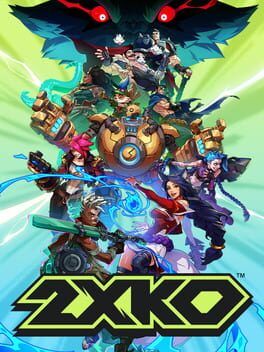
Everything fighting-game and League of Legends players should know about 2XKO ahead of its January 20, 2026 console launch: mechanics, assists, rollback netcode, calendar placement, and tips for newcomers.
What is 2XKO?
2XKO is Riot Games’ 2v2 tag-team fighting game built around League of Legends champions. Formerly known as Project L, it launches as a free-to-play title on January 20, 2026 for PlayStation 5, Xbox Series X|S, and PC.
Every match features two champions per side, either controlled by a single player or split between two players in a duo. Riot is positioning 2XKO as both a serious competitive fighter and a natural crossover for League players who know these champions from Summoner’s Rift.
Why 2XKO looks different from other tag fighters
On the surface, 2XKO sits in the same lineage as Marvel vs. Capcom and Dragon Ball FighterZ. It is fast, explosive, and full of assists and tag combos. The details, though, are where it splits from tradition.
First, the game is hard-locked around 2v2. There are no 3-character teams and no traditional “point / mid / anchor” structure. That narrower format is meant to make team building more approachable while still preserving the creativity of tag routing and assist synergy.
Second, Riot wants the tag system to feel like true co-op even when you are playing solo. Your second character is not just a backup health bar. They are an active tool you are expected to weave into neutral, pressure, and defense. Tagging is fast and fluid, and assists can be threaded into almost every phase of a round rather than being occasional set plays.
Finally, the game is built from the ground up around playing with a partner. In duo mode, one player controls the point character and the other controls the assist character in real time. That is not a side mode tacked on for fun nights. It is a core identity, balanced and animated so that two human players can perform true team sequences instead of one person doing all the work while the other watches.
The 2v2 system, tags, and assists
If you are coming from other fighters, think of 2XKO’s flow as sitting between Marvel’s constant tag chaos and a more traditional grounded 2D game.
Each team picks two champions. At any given time, one is on screen as the point while the other is in the backline. From there you have three big interaction types to learn.
You have strike and movement tags that let you bring in your partner during pressure, combos, or neutral. Timing these is crucial. An early tag can cover your approach or save you on whiff. A late tag can turn a stray hit into a full conversion or blow up an opponent trying to take their turn back.
You have assists that extend your threat range. Each champion has unique assist options inspired by their League kits. A Jinx assist might help you lock down space or extend corner pressure, while a Braum assist can add a shield or a big defensive hitbox to stabilize under fire. Learning which assists cover your character’s weaknesses is a huge part of the game’s depth.
You also have defensive tags, including using your partner to bail you out of bad situations. Some tags can interrupt pressure or reposition your duo if you predict the opponent’s offense correctly. The best players will turn those defensive moments into momentum swings rather than simple escapes.
The important thing is that tags and assists are not a garnish on top of a standard 1v1. They are the language the game speaks. Every combo route, okizeme idea, and neutral plan is written with your partner’s tools in mind.
Fuses and team customization
Fuses are match modifiers you equip before a game that change how your team functions. Think of them like a shared rune page for your duo.
Some Fuses emphasize offense, giving stronger tag conversions or extra resources when you stay aggressive. Others lean defensive, perhaps rewarding good blocks, improving your ability to tag out under pressure, or adding survivability when your point character is low. There are also Fuses that change meter or cooldown behavior, shifting the pacing of how often you can spend big.
Fuses are important for two audiences.
For traditional FGC players, Fuses give you another axis of optimization beyond “which two characters work together.” You can tune similar teams in very different ways, like taking an explosive rushdown duo and bolting on extra safety tools or meter economy.
For League players crossing over, Fuses are familiar territory. They occupy a similar mental space to runes and items. They let you tailor a comp to your preferred playstyle, whether that is high-risk snowball potential or slow, defensively solid play.
Input philosophy and accessibility
Riot has been clear about 2XKO’s input philosophy. The goal is responsiveness and precision without overwhelming new players with command lists that look like spreadsheets.
Inputs are intentionally streamlined. Special moves are typically either single-direction plus button or simple motion inputs rather than extremely complex sequences. Autocombos and smart shortcuts are present to get newer players into doing cool things quickly, but they do not replace manual confirms and optimized routes at higher levels.
This has a few implications.
If you are an FGC veteran, you can expect execution to sit closer to modern Arc System Works titles or Street Fighter 6’s modern controls rather than late-era anime fighters with elaborate motion chains. Advanced movement, tag routing, and whiff punish timings will still separate strong players from the pack.
If you are a League player with little or no fighting-game background, the barrier to entry is much lower than the genre’s reputation suggests. You map abilities to buttons, learn a few clean motions, and focus on timing, space control, and teamwork. Familiar champion kits speed this up. If you already know how Ahri or Ekko works in the MOBA, you have a conceptual head start on what their hitboxes and archetypes are trying to do here.
Rollback netcode and online structure
Riot is marketing 2XKO around “best-in-class rollback netcode,” and they have been fairly transparent about how seriously they take it. The game uses a server-based rollback system designed to keep online matches stable, which is crucial for a title that expects long-term competitive play and cross-region interest.
Rollback means that when you press a button, the game predicts the near-future state to keep animations responsive, then corrects behind the scenes if needed. In practice, it drastically reduces the delay you feel compared to delay-based netcode and makes punishes, anti-airs, and whiff whiff gameplay possible even in non-local matches.
On top of that, the online layer is wrapped in Riot’s now-familiar infrastructure. There is anti-cheat at launch and a clear commitment to smoothing out the online ladder through server work instead of asking players to simply accept lag as a cost of doing business.
The lobby design leans into a virtual arcade fantasy. You step into a lobby space, walk your avatar up to a cabinet, and either queue into ranked, chill in casual, or host private sets. Spectating and playing with regular training partners is meant to feel social, not like jumping through menu mazes.
Where 2XKO fits in the current FGC calendar
January 20, 2026 puts 2XKO at the front of the year for the fighting-game calendar. It lands in a world where Street Fighter 6, Tekken 8, and Guilty Gear Strive have mature competitive scenes, and titles like Granblue Fantasy Versus Rising and Mortal Kombat 1 occupy solid niches.
Arriving in January gives 2XKO a clean runway into the first big majors of the year. Expect it to appear at winter and spring events as a featured game or at least as a strong side tournament. By the time EVO 2026 rolls around, it would be surprising if 2XKO is not a headliner, backed by Riot’s funding and the built-in League audience.
Riot also has the capacity to run its own circuit parallel to community events. A dedicated 2XKO tour that parallels the League esports calendar would not be shocking. This would give the game a bridge audience, with FGC regulars grinding open brackets while League fans tune in to see their favorite champions represented in another genre.
For local scenes, the 2v2 focus makes it an ideal weekly anchor. Venues can run classic 1v1 brackets, dedicated duo brackets where teams sign up together, or fun side formats that mix random champions and Fuses. This versatility means it should fit naturally next to established one-on-one titles instead of fighting them for stage time.
What newcomers should know before January 2026
If you are eyeing 2XKO as your first “serious” fighter, there are a few practical things worth doing before launch.
You should pick a champion you love. It sounds simple, but attachment keeps you in training mode. If you know these characters from League, start with someone whose playstyle you already enjoy, like a mobile assassin archetype or a bunker support. If you are new to Runeterra, just follow your aesthetic instincts.
You should think in duos, not solos. This is not a game where your second slot is an afterthought. Even as a beginner, you will get more value by asking “Who covers my point character’s bad matchups or weak approach?” rather than just picking another favorite.
You should treat Fuses like learning a second layer of your character. Early on, pick a simple, forgiving Fuse that rewards fundamental play instead of gimmicks. As you get comfortable, experiment with more specialized options that better match your habits.
You should expect to play online a lot. The game is built around its netcode and online lobbies. Whether your local scene is large or small, most of your sets will be through ranked or casual queues. Getting used to labbing against the training mode’s recording options and then testing ideas online will be the core loop.
You should manage your expectations on depth. Because inputs are welcoming, it is easy to think 2XKO will be shallow. That is rarely the case with tag games. The genuine difficulty ceiling will come from team synergy, resource management, and situational awareness in fast scrambles, not from whether you can do a 1-frame link.
Why this matters for League fans
For League players, 2XKO is more than just fan service. It is a chance to see your main in a genre where personal mechanical expression is even more direct than in a MOBA.
The kits are reimagined around concise move lists rather than dozens of items and runes. That pushes every decision to be sharp and legible. Spacing a Darius normal or threading an Ekko reset through a tag sequence is a different kind of clutch than landing a game-winning Baron steal, but it scratches a familiar competitive itch.
It also offers a pressure relief valve from ranked League. Match length is shorter, mental resets are easier between games, and the punishment for experimentation is much lower. You can discover a new champion, a Fuse combination, or a team comp in a single evening without tanking a seasonal climb.
The bottom line
2XKO is shaping up as a rare overlap point between the FGC and the massive League ecosystem. Mechanically, it is a modern tag fighter built around constant collaboration between two characters, fluid assists, and rollback-backed online play. Structurally, it is arriving at a time when the competitive calendar is hungry for something new and when Riot already knows how to support long-term esports.
If you are a fighting-game regular, expect a polished, accessible tag fighter with real team depth and a solid online backbone. If you are a League player curious about the genre, 2XKO’s familiar champions, Fuses, and duo focus make January 20, 2026 a natural starting line.