
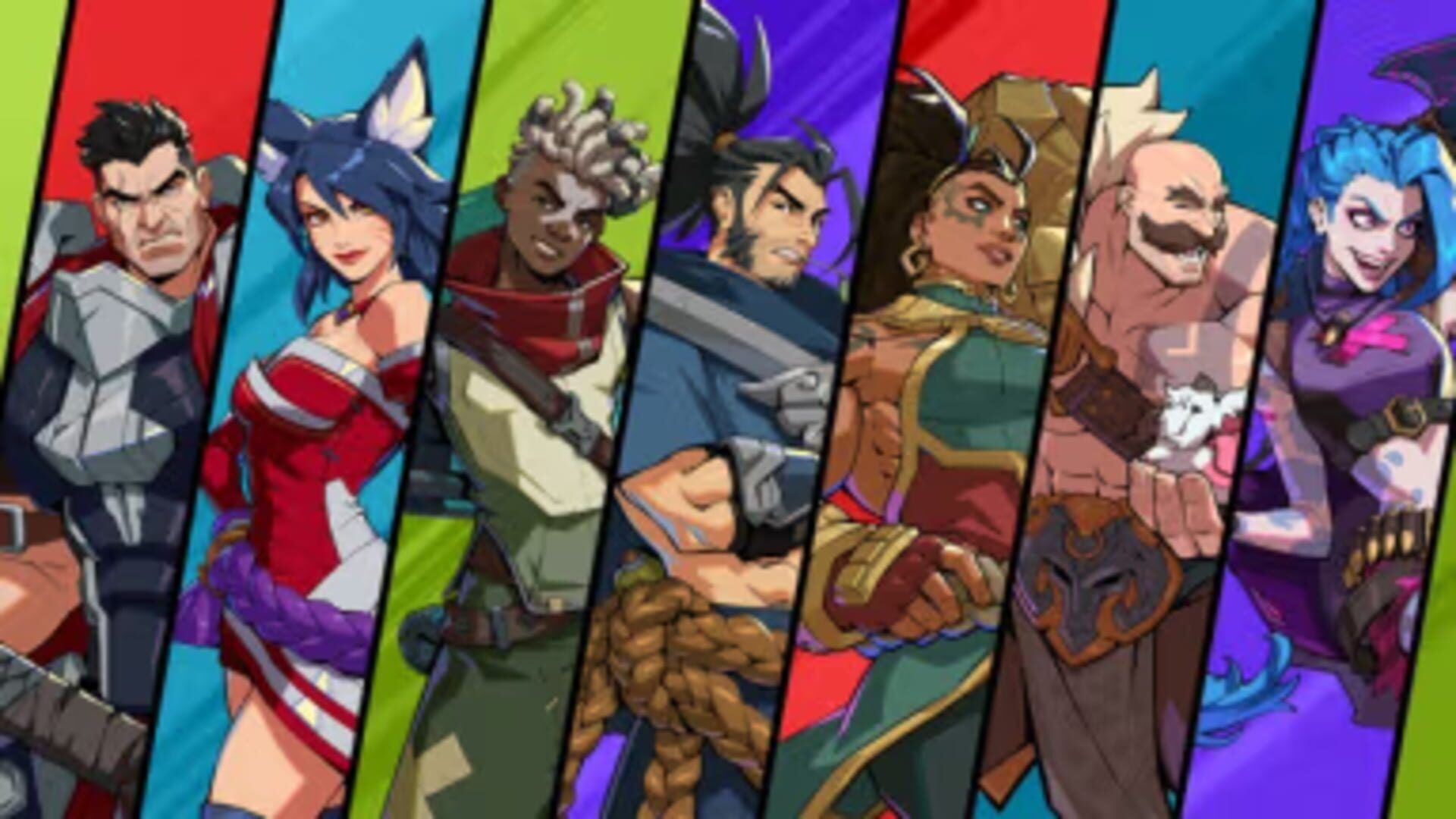

Riot used The Game Awards to lock in 2XKO’s January 2026 launch window, reveal Caitlyn, spotlight its 2v2 tag systems, and quietly stake out ground against a packed 2026 lineup that includes Invincible VS and Avatar Legends.
Riot Games finally treated 2XKO like a proper launch title at The Game Awards, trading lab tests and beta dev diaries for a confident main stage showing. The presentation locked in a January 2026 release window for consoles, confirmed fan‑favorite sheriff Caitlyn as the latest roster addition, and doubled down on what makes the game stand out: a 2v2 tag system that blurs the line between traditional fighters and assist‑heavy arena brawlers.
It also quietly positioned 2XKO for a brutal 2026 schedule, one that is already filling up with licensed contenders like Invincible VS and Avatar Legends. Riot’s message was clear: this is not just a League of Legends spin‑off, it is a flagship fighting game that intends to live in the same conversation as Street Fighter 6, Tekken 8, and whatever Marvel vs. Capcom‑sized surprises may be waiting in the wings.
Caitlyn Joins The Roster As A Long‑Range Specialist
The Game Awards trailer confirmed what the 2XKO community had been predicting for weeks: Caitlyn is in. The Push Square breakdown highlights her as the headline reveal for the show, teased with a short but unmistakable cameo at the end of the new PS5 gameplay trailer. Oversized steampunk rifle, blue Piltover uniform, and that top hat all make the jump from Summoner’s Rift to the tag fighter intact.
Within the cast, Caitlyn looks built to cover the space most launch rosters struggle to fill. Where brawlers like Darius and Illaoi want to be in your face, Caitlyn’s kit leans heavily on zoning patterns and screen control. You can already see classic League concepts translated into 2D space: traps locking down approach routes, rifle shots that force opponents to respect long‑range checks, and sniper‑style supers that punish greedy tags or assists.
Caitlyn’s inclusion also rounds out the Arcane‑adjacent side of the roster. With Jinx, Ekko, and other Piltover or Zaun champions in the mix, 2XKO is set up to attract fans of the Netflix series who may never have touched a traditional fighting game. For Riot, getting a recognizable face like Caitlyn in front of that audience at The Game Awards is smart marketing. For players, it is a promise that this roster will not be locked into just bruisers and rushdown archetypes.
A January 2026 Window Sets The Pace
The other big news out of the show is timing. After years of public prototypes and open tests, 2XKO now has a clear launch plan, with Push Square reporting a January 2026 window for PS5 via the PlayStation Store. That pushes the game slightly beyond the original 2025 target but plants it squarely at the start of what could be the busiest fighting game year since the PS3 and Xbox 360 era.
Landing in January gives Riot a few advantages. It avoids direct overlap with the likely fall 2025 deluge of big budget action games, while positioning 2XKO as one of the first competitive titles to establish a presence in the new year’s esports calendar. The extra development time can be spent tightening rollback netcode, console performance, and onboarding tools that will matter most once free‑to‑play monetization and a live service model kick in.
It also subtly reframes expectations. Instead of a risky late‑2025 launch where word of mouth could get drowned out, 2XKO has room to breathe in early 2026, carving out mindshare before the likes of Invincible VS and Avatar Legends hit their own marketing peaks later in the year.
How 2XKO’s 2v2 Tag Systems Really Work
Riot’s Game Awards spotlight leaned on spectacle, but the core of 2XKO remains the same: a 2v2 tag fighter built around teams of two champions, with both players able to control partners in co‑op or one player running both characters in traditional tag fashion. Red Bull’s deep dive on the mechanics describes a system that takes clear inspiration from Marvel vs. Capcom and Dragon Ball FighterZ, while still pushing its own identity.
Every match is about managing two characters as a single, flexible unit. You pick a point champion and a partner, then weave between active control and assist support. Tag mechanics are designed to be more than one‑off reversals. You have access to assists that cover neutral, extensions that keep combos going, and tag‑in options that let you swap mid‑string to continue pressure. The intent is to build free‑flowing team sequences that feel expressive without demanding 30‑input Marvel combos.
Another key focus is accessibility. Riot has been vocal about making inputs more forgiving without stripping depth. Modern control shortcuts help newcomers perform specials and supers reliably, while the tag system lets friends share the spotlight in 2v2 co‑op. One player can specialize in neutral and space control on a character like Caitlyn, while a partner pilots a rushdown monster who cashes out damage once a hit connects.
Because each champion comes from League, move lists carry recognizable flavor. A champion like Ahri brings mobility and tricky projectiles, while bruisers like Darius lean into simple but meaty buttons and big corner carry. In theory, this makes reading matchups easier for fans of the MOBA, but the layered tag interactions are where tournament‑level depth should emerge.
Riot’s Competitive Ambition
The Game Awards trailer did more than show new gameplay. It signaled that Riot sees 2XKO as a long‑term pillar in its esports portfolio alongside League and Valorant. The game’s UI, stage presentation, and spectator clarity are all being tuned with tournaments in mind. Health bars are bold and legible, tags have distinct visual cues, and supers are punchy without drowning the screen in cinematic clutter.
Public testing phases have already leaned hard into community feedback, with balance patches arriving quickly and rollback netcode treated as non‑negotiable. Expect the January 2026 launch to line up with a formal competitive roadmap, including regional events, online circuits, and likely integration into existing Riot production infrastructure.
With a tag format, 2XKO has a chance to do something traditional fighters struggle with: make team play a first class competitive experience. Expect 2v2 tournaments to sit alongside solo play, letting communities form around static duos, coach‑style partner dynamics, and content creators playing to their main strengths in coordinated pairs.
Facing 2026’s Licensed Fighter Wave
If 2XKO were launching in a vacuum, Riot’s job would be simple. Instead, it is entering a year already loaded with licensed brawlers. Invincible VS is set to bring gory superhero matchups to the market, while Avatar Legends is lining up a multi‑bending crossover fighter for summer 2026. Both will target the same broad audience of casual fighting game fans who want recognizable faces and accessible systems.
Invincible VS appears to be leaning hard into violent spectacle and high damage swings, channeling the tone of the show into setplay heavy, momentum driven matches. Avatar Legends, meanwhile, has early buzz for elemental bending mechanics that could make neutral and stage interaction a core part of the experience. Compared to those, 2XKO looks almost conservative at a glance, with familiar health bars, rounds, and traditional 2D layouts.
Riot’s edge lies in two areas: infrastructure and IP depth. League of Legends offers a deeper bench of potential fighters than either Invincible or Avatar, with decades of champion releases ready to be adapted. Caitlyn’s reveal is a reminder that even a single new champion can bring an entire subculture of fans with them. Over time, 2XKO can grow into a full League and Arcane anthology fighter, refreshed by every new season of content across Riot’s catalog.
On the infrastructure side, Riot already knows how to run seasonal passes, battle passes, major patches, and esports events at scale. Invincible VS and Avatar Legends will be figuring those pipelines out as they go. If 2XKO launches with stable servers, responsive rollback netcode, and a clear path for new champions and stages, it will feel like a known quantity in a genre where online failures can kill momentum in weeks.
Can 2XKO Own The Tag Fighter Space?
The biggest question after The Game Awards is not whether Caitlyn looks fun, or whether the PS5 build runs well. It is whether 2XKO can establish itself as the default 2v2 fighter for the new generation. With Dragon Ball FighterZ wrapping up support and Marvel vs. Capcom’s future still uncertain, there is a lane for a new tag game to become the anchor of both casual couch play and main stage tournaments.
Riot’s current trajectory suggests a clear plan. Lock in a polished, console ready build for January 2026. Use big, media friendly reveals like Caitlyn at shows such as The Game Awards to widen the audience. Then lean on long term champion support, cross promotion with League and Arcane, and a robust competitive structure to keep players engaged when the 2026 licensed fighter wave hits.
For now, 2XKO’s latest showing has done what it needed to do. It reassured fighting game fans that the project is real, imminent, and mechanically distinct, while giving League and Arcane viewers a recognizable champion to latch onto. The real test will come next year, when Caitlyn and company finally step into the ring for good and discover whether Riot’s 2v2 gamble can hold its own against superheroes, benders, and the rest of a crowded fighting game calendar.