
How 007 First Light’s success, the Amazon–IO Interactive relationship, and licensing realities could shape Bond’s long‑term future in games.
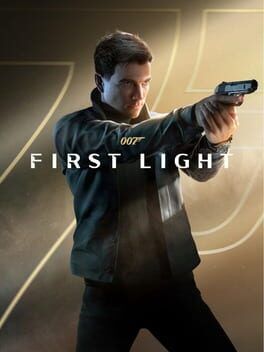
007 First Light is barely out of the gate and it is already at the center of one of the strangest publishing stories in big budget games. On paper, IO Interactive built and self published a critically liked, commercially strong James Bond origin story. In practice, Amazon now controls Bond’s video game future and is already talking about sequels in public, while also insisting that nothing has been decided.
That tension between what has been said, what has been walked back, and what the sales charts are screaming is exactly where the franchise sits today.
What Amazon is really saying about sequels
When IGN asked Amazon Games boss Jeff Gattis whether 007 First Light would get a sequel, his answer was, “Seems like a sequel should be made.” That line made headlines because it summarised the feeling around the project. First Light sold roughly 3 million copies in its first two weeks and reviewed well enough to put Bond back on the map as a prestige single player brand. In a vacuum, that kind of performance would make a follow up almost inevitable.
Gattis stopped short of a formal announcement, though. Across his interviews he keeps falling back on two caveats. First, that it is “still too early to discuss future projects.” Second, that demand and appetite will dictate what comes next. In plain language, Amazon and MGM like what they are seeing, but they want a larger data set across the game’s full launch window, its first discount cycle, and the rollout of post launch content before they lock their plans.
Underneath that careful phrasing is a more candid sentiment. Gattis also said that as long as there is a desire from players, “it is safe to say it is going to be made.” That is about as close as a platform holder or publisher will get to saying “yes” before deals are signed and marketing beats are scheduled. Reading between the lines, Amazon is positioning a sequel as a probability, not a hypothetical.
How the sequel story got messy in the first place
The current confusion started with an earlier interview, first reported by outlets like Polygon and PC Gamer, where Gattis explained that Amazon “didn’t have the full rights to this First Light James Bond game” but that future sequels would be “done by MGM and, theoretically, by Amazon Game Studios.” The implication was clear. IO Interactive had the freedom to self publish First Light under a pre existing arrangement with Eon and MGM, but Amazon’s acquisition of the Bond rights shifts that leverage. Any follow ups sit under Amazon’s umbrella.
Those comments triggered immediate concern. Some fans and industry watchers interpreted them as confirmation that IO would be sidelined after creating a successful template, and that Amazon might plug in other studios or exert heavier control over the direction of the series. Others worried about what a change in publisher would mean for things like PC storefronts, platform exclusivity, or the level of live service experimentation.
That is why the more recent IGN and Rock Paper Shotgun interviews are careful to stress what Gattis did not say. He reiterates that he never explicitly confirmed Amazon Game Studios as publisher of a sequel, and that IO remains a “strong partner.” Crucially, he also emphasizes that Amazon and MGM are still figuring out how to handle Bond as a long term interactive property. When he talks about being “smart about this,” the subtext is that Amazon is aware of the backlash that can follow abrupt shifts in stewardship of a beloved license.
In other words, the early “MGM and, theoretically, Amazon Game Studios” line was more of an outline of rights ownership than a firm announcement of who makes or ships Bond 2. The clean version is simple. IO made and published First Light. Amazon MGM now controls the James Bond game license. Any sequel will sit inside that licensing framework, which almost certainly means Amazon is involved at a publishing level, but it does not automatically exclude IO from development.
Where IO Interactive stands now
IO Interactive’s role in all this is complicated but not precarious. The studio secured the Bond license before Amazon bought MGM, and it used that deal to create a self published tentpole built on the tech and production pipeline it honed with Hitman. IO’s CEO Hakan Abrak has been open about the scale of the bet. First Light is the studio’s most expensive game to date, yet he remains “very confident” it will turn a profit.
Abrak has another important data point in his back pocket. Over the course of Hitman’s World of Assassination trilogy, IO gradually drove down cost and production time between entries while increasing the amount of content it could ship. The same approach can apply to Bond. Once you have a stable engine, toolset, and core systems for stealth, traversal, and systemic missions, building new locations and campaigns gets cheaper and faster.
That is exactly the profile Amazon tends to like. A proven developer with tech in place, a hit in hand, and the ability to spin up sequels on a more predictable schedule is extremely attractive to a rights holder planning a long horizon. Add in the strong early sales and a full year of post launch content already mapped out, and IO can argue that keeping the partnership intact is the least risky route to growing Bond as a games franchise.
The wild card is that Amazon is also building out its own internal development capabilities. From its perspective, there is real strategic value in eventually aligning major IP with studios it owns or controls directly. That does not mean IO is out after one game, but it does explain why Amazon’s messaging keeps the door open to different models, from IO led sequels to potential co development or support arrangements.
The current publishing reality: Amazon, MGM, IO
So where does that leave the publishing situation right now?
First, 007 First Light itself is an IO Interactive joint. The studio serves as both developer and publisher, which is why the game launched simultaneously across PC and consoles with a familiar mix of storefronts rather than any obvious platform lock in by Amazon.
Second, Amazon MGM now holds the keys to Bond in games. That shift means any future James Bond video game, sequel or otherwise, requires Amazon’s blessing and likely flows through Amazon Games at a business level. Even in recent clarifications, Amazon confirms that point indirectly by saying it holds the rights to “any future James Bond video games” while refusing to detail specific projects.
Third, the exact shape of that arrangement for a hypothetical First Light 2 is still blurred. Even after walking back the most direct language about Amazon Game Studios publishing sequels, the company has not contradicted the core facts set out in those early interviews. IO no longer has unilateral control over where Bond goes next, and any continuation of the partnership will involve new negotiations with a much more powerful rights holder than before.
A realistic scenario is that Amazon acts as global publisher and licensor, while IO continues as lead developer for at least one more Bond project, potentially co branded in marketing. That would mirror how platform holders and rights owners often work with trusted external studios on key franchises, even when they own the IP outright.
What success really looks like for Bond in games
When Abrak talks about being confident in profitability, he is not only describing First Light’s bottom line. He is also making a case for Bond as a durable games brand that can stand alongside evergreen series instead of one off tie ins. For that to happen, success needs to be measured along two tracks.
Commercially, First Light has already cleared the most obvious hurdle by selling in the multi million range rapidly and generating strong pre launch and launch buzz. If those sales hold over time, if the game legs out through discounts and additional content, and if it can sustain a healthy tail, then Bond becomes a safer place for Amazon to invest heavily. That is especially important because the company acquired the license at a premium price as part of the broader MGM deal.
Critically, the reception so far matters just as much. First Light positions Bond as a modern, story driven stealth action experience rather than a nostalgia piece built entirely on film references. That reinvention has resonated with reviewers who praised IO’s mission design and systemic flexibility, the very qualities that made Hitman a cult favorite. Strong critical sentiment gives Amazon a template for what a “Bond game” should feel like in the current era.
If both of those pillars hold, Amazon has an opportunity to treat Bond more like a long running prestige brand. That could mean a cadence of full sequels supported by robust live updates instead of annualized churn. It could also mean using Bond as a showcase for Amazon’s broader gaming ambitions, from cloud integration to marketing tie ins across Prime Video and other services.
A long term Bond franchise: the best case scenario
In a best case scenario, 007 First Light becomes the Casino Royale moment for Bond in games. IO continues as the creative steward, Amazon acts as a well funded but relatively hands off publisher, and the series builds a reputation for smart, replayable stealth sandboxes rather than throwaway licensed shooters.
Year one content helps here. By committing publicly to a roadmap of new scenarios, gadgets, and mission variants, IO and Amazon are already signaling that they see First Light as a platform that can grow, not just a product to ship and forget. Strong engagement with that content can help justify not only a direct sequel, but a broader ecosystem around Bond games. Think spin off modes, shorter experimental projects, or even collaborations with other Amazon owned studios under the same umbrella.
For players, the payoff would be consistency. Instead of waiting a decade between uneven Bond games, there could be a clear identity and release rhythm. The brand would no longer live or die on how closely a game mimics the latest film. It would stand on its own strengths as an interactive series with its own continuity and tone.
The risks and what could go wrong
None of this is guaranteed. Amazon’s track record in publishing and operating games has been mixed, and there is always the risk that a rights holder sees early success, pushes for faster and cheaper follow ups, and erodes what made the first project shine. The change in licensing control also makes it easier for Amazon to swap in other studios if relationships sour or if it decides it can achieve better margins in house.
There is also a softer risk on the creative side. A Bond series that leans too hard into broad four quadrant appeal risks sanding down the sharp edges that have defined IO’s approach to sandbox stealth. If sequels chase trends like heavy live service monetization or overbearing cross promotion with film and television projects, the goodwill First Light has built with core players could evaporate quickly.
That is why Gattis’ promise to be “smart about this” will be tested not by what Amazon says in interviews, but by how it handles the slow, unglamorous work of greenlighting, resourcing, and scheduling whatever comes after First Light’s current roadmap winds down.
Where things stand now
For the moment, the picture is relatively clear even if the future is not fully defined. IO Interactive has delivered a strong Bond game, self published under an earlier licensing deal. Amazon now owns the keys to 007 in games and will have a defining say in who makes and publishes any sequels. Publicly, Amazon is talking like a company that absolutely expects there to be more Bond, but it is choosing its words carefully as it weighs how to balance business control with creative continuity.
If 007 First Light continues to perform and its critical reputation holds, the most likely outcome is a long term franchise where Amazon and IO both remain central. If sales soften or if strategic priorities shift, Bond could become a more itinerant license again, bouncing between teams under Amazon’s control. For now, at least, the young Bond that IO has created has done everything right to earn another mission. The next move belongs to Amazon.